


Case Studies: Farming in Protected Landscapes
Between 2021 (when the programme started) and March 2026, we allocated £2.9m to over 200 projects in the Chilterns. Here are some examples.
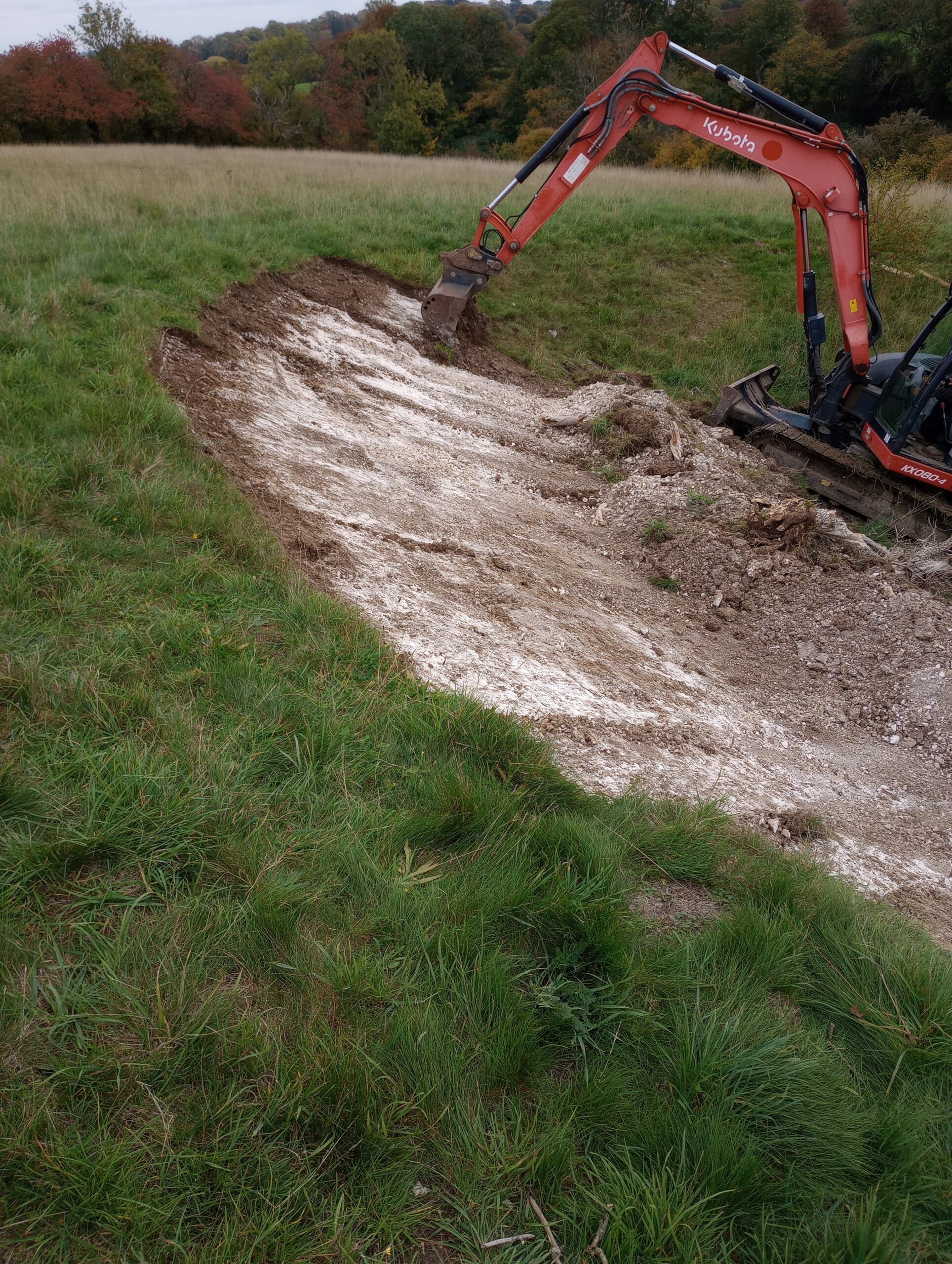
Improved access and grazing near Nettlebed
Farmland near Nettlebed has recently benefitted from a Farming in Protected Landscapes grant to improve access, allow grazing and benefit wildlife. Bare ground was restored in an old south-facing quarry and as plants such as birds foot trefoil and creeping cinquefoil gradually recolonise, they will provide suitable egg-laying sites for common blue butterfly and grizzled skipper respectively. Bare ground will also benefit solitary bees and wasps. The project also included sheep-fencing to ensure livestock grazing can take place, as well as new pedestrian gates for a public footpath.
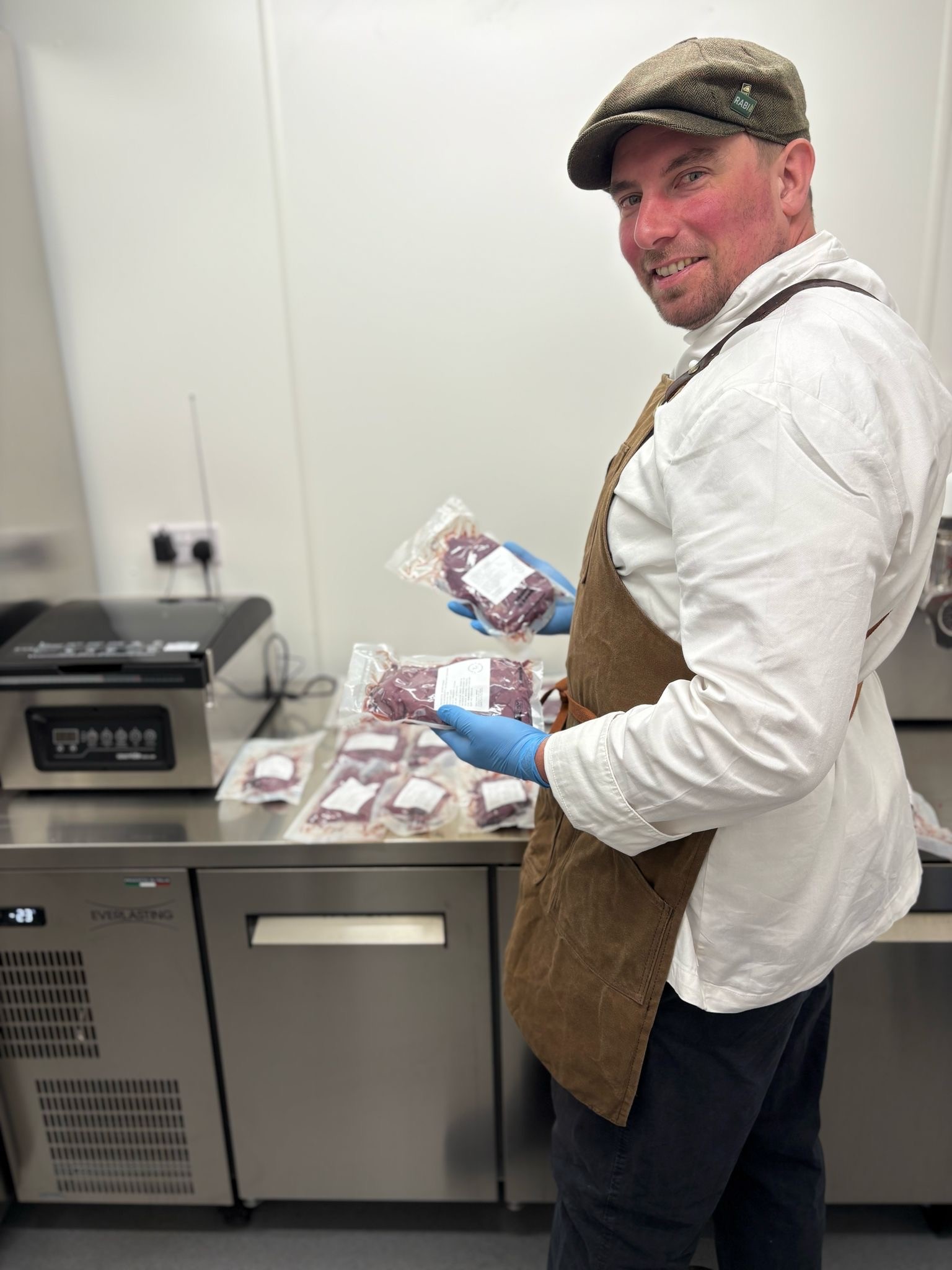
Venison processing in Oxfordshire
Oxfordshire Venison Ltd used FiPL funding to help set up a small scale venison processing business that can sell wild venison to local pubs and the public. In some parts of the Chilterns, deer numbers are as high as 24 per km2 and given that a single adult fallow deer can eat up to 6kg of vegetation a day, the pressure on woodlands, hedgerows and farmland can be severe. FiPL can therefore play a role in reducing this pressure by helping the supply chain of local wild venison.

Pasture Fed Livestock Association: Pasture and Profit in Protected Landscapes (PFLA)
This was an 18-month programme of in-person and online events, for at least 32 farmers in the Chilterns. The events focused on grazing management practices for the restoration of biodiversity, carbon sequestration and landscape character. The project helped the farmers make changes to their grassland management, moving towards lower input costs, improved biodiversity and better carbon outcomes. In addition, the project worked with a more active cohort of farmers who received more targeted support from mentors to build better climate change resilience and more biodiversity. This was a shared project with the Cotswolds and North Wessex Downs National Landscapes.

Enhancement of the Hamble Brook
The Chilterns National Landscape are working with landowners in the Hambleden Valley to enhance and restore the Hamble Brook (a winterbourne chalk stream). FiPL funding was used to create a wetland that is linked to the stream itself, and this will increase habitat for more specialist flora and fauna as well as retain water in the landscape for longer (reducing flood risk during high flows).
The project has been developed in conjunction with the Environment Agency’s catchment co-ordinator, biodiversity officer and fisheries officer and was also approved by the National Trust, who have a covenant over the area.

Deer chillers
FiPL funding was used to provide or upgrade deer chillers. As well a detrimental impact on crops, the high population of deer presents problems for biodiversity with the loss of hedgerows and woodland understorey leading to declines in associated animal species (such as dormouse, marsh tit, bullfinch, willow warbler).
With better or larger facilities, deer managers are better able to store carcasses and increase the numbers culled.

The Country Trust: educational visits
With FiPL funding, the Country Trust are working with Collings Hanger Farm and Hanger Farm to provide 24 inspiring, hands-on day visits to their farms for over 300 children (mainly from disadvantaged communities), and in some cases family members too.
The Country Trust coordinators work with each of the farmers to draw out the story of their farm, and with the teachers to tailor the visit to the needs of each group visiting. Activities differ at each farm according to the season but include learning about livestock and crops as well as the countryside code and the range of jobs involved in farming.

North Chilterns Farmer Cluster: further funding
Following the success of the Central Chilterns Farmer Cluster, the Chilterns National Landscape funded and developed a new farmer cluster in the north Chilterns with a FiPL grant. The brand-new cluster brought together 15 farmers from the Dunstable and Luton area.
A further 18 months of funding was also through FiPL. The £365k funding package included supplying 15 tonnes of seed for supplementary bird feeding; two winters of bird surveys; ecological advice for habitat creation and management; farm carbon assessments and soil sampling; 6.8km of hedgerow planting; and six themed workshops with expert speakers.

Chiltern Rangers’ community plant nursery, Penn
Chiltern Rangers used a Farming in Protected Landscapes grant to create a community plant nursery, to grow native trees and shrubs of local provenance. The project provides plants for nature conservation projects across the Chilterns.
Growing plants locally rather than from further afield reduces bio security risks and also carbon emissions. The nursery provides volunteering opportunities for people of all ages and abilities, including school groups.
Theme: nature, climate, people, place

Mobility gates at Chartridge
A Farming in Protected Landscapes grant enabled stiles to be replaced with mobility kissing gates, improving access to the land and paths.
New hedges have also been planted, and existing hedges have been laid.
Theme: nature, climate, people, place

Chiltern Open Air Museum’s lambing fold
Chiltern Open Air Museum created a lambing fold – a traditional shelter or pen used for lambing until the early 1900s.
COAM’s lambing fold has been moved to a new location for Spring 2023, and the Farming in Protected Landscapes funding enabled the reconstruction.
Theme: people, place

Support for low input grazing near Amersham
A grant was received for fencing of pasture to help with low input grazing, and also helped pay for ditch management as well as water supply and gates.
Theme: nature, climate, place

Pasture fencing near Chorleywood
This Farming in Protected Landscapes grant provided fencing of pasture for low input grazing, and will also pay for a botanical survey to help assess how this approach to management improves plant diversity.
Theme: nature, climate, place

Speen traditional orchard
Farming in Protected Landscapes funded the creation of a traditional orchard of heritage varieties, and also supported hedge coppicing and gapping up.
Theme: nature, climate, people, place

Mob grazing at Road Farm near Great Missenden
A Farming in Protected Landscapes Grant enabled the set up of a mob grazing system (electric fencing, water supply and herbal leys) with benefits for farm costs, soil health and biodiversity.
Theme: nature, climate

The National Hedgelaying Championships
Held at Crowmarsh Battle Farms in October 2022, a Farming in Protected Landscapes grant made this event possible and also paid for a video of the event to share the benefits of this traditional technique with a wider audience.
Watch the video below to learn about this traditional rural craft of cutting and laying hedges to rejuvenate them and help them stay healthy, both for wildlife and as effective field barriers, and to see footage from the National Hedgelaying Championships, bringing people together to keep this skill alive.
National Hedgelaying Championships
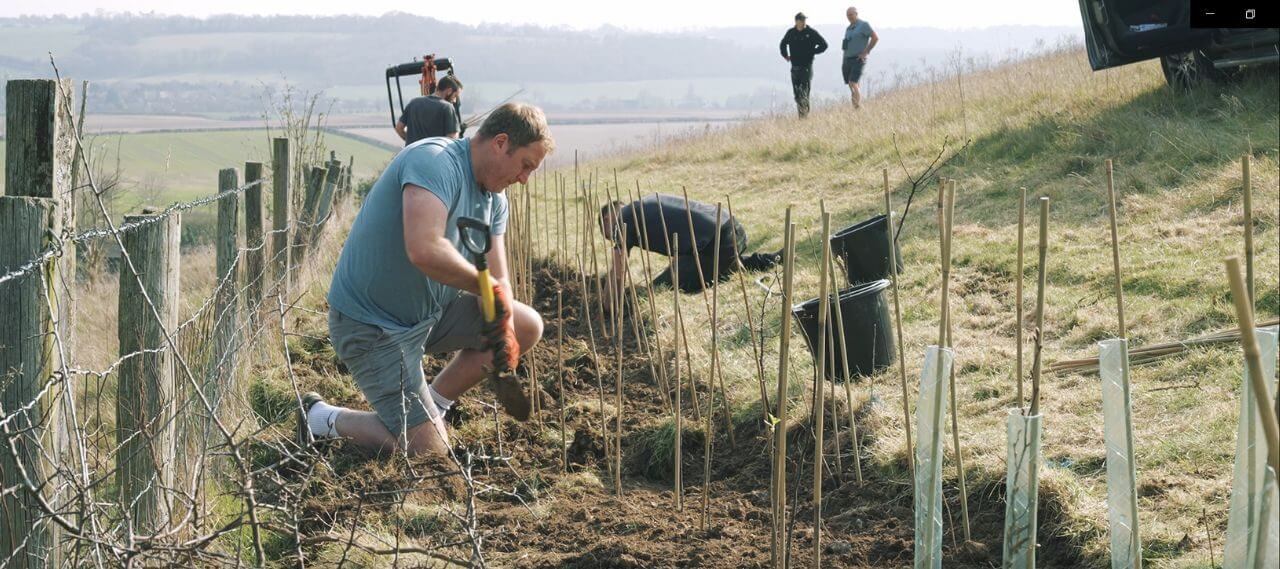
Central Chilterns Farmer Cluster hedgerow project
The Chilterns National Landscape team applied for a grant of £134,000 on behalf of eight of the 18 farms in the Central Chilterns Farmer Cluster. This landscape-scale project coordinated the creation of 5.3km of new hedgerows and the rejuvenation of 1.9km of existing hedgerow. 192 hedgerow trees were also planted. The project secured £34,965 match funding from the National Lottery Heritage Fund and £8,896 contribution from the eight farms involved. These new and improved hedgerows will provide habitat for many species of invertebrate as well as farmland birds such as yellowhammer.

Ivinghoe Aston Farm traditional orchard
Ivinghoe Aston Farm is a mixed farm located on the boundary of the Chilterns. The farm used to have an operational orchard but it became neglected in the early twentieth century. This Farming in Protected Landscapes project enabled the orchard to be restored and expanded to create an active, yet traditional, orchard with benefits for the landscape, the farm, wildlife, climate change and local people. A grant of £32,557 was approved with 353 new fruit trees planted and protected from livestock (200 apple, 17 hazel, 34 quince, 34 gage, 34 plum, 34 pear).

Countryways Community Interest Company (CIC)
Countryways Community Interest Company (CIC) is situated on a working farm which is part of the Central Chilterns Farmer Cluster. In recent years Countryways has worked with many individuals and organisations with learning difficulties, physical and mental health challenges. A FiPL grant of £17,095 contributed towards total project costs of £20,595, which helped Countryways fund a number of changes so that more people can benefit from contact with farming. FiPL helped fund:
Purchasing and installing: fencing, gates, electric fence unit, tree guards, livestock shelters, pathway improvements, field shelter. Supporting transport costs for disadvantaged schools and making the traditional farm well viewable for educational purposes.
Deer Management Hub
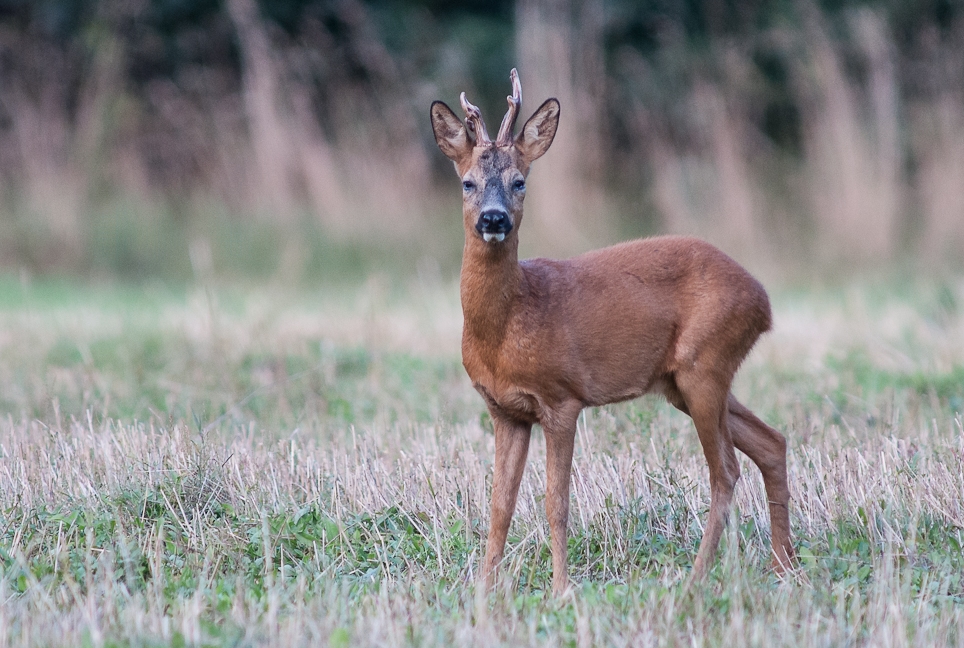
Deer are part of what makes the Chilterns special – but growing populations are quietly reshaping the countryside, affecting wildlife, farmland and the deer themselves. Our new hub is here to help you understand this complex issue.
Farmer Clusters
Our farmer clusters are proactive groups of farmers who come together to farm with wildlife and climate change in mind.
Farming in Protected Landscapes
By supporting the farmers, land managers and people who live and work in the National Landscape, we can help protect this exceptional place and support local communities.
