


Chalking up success: Chilterns National Landscape featured on BBC Countryfile
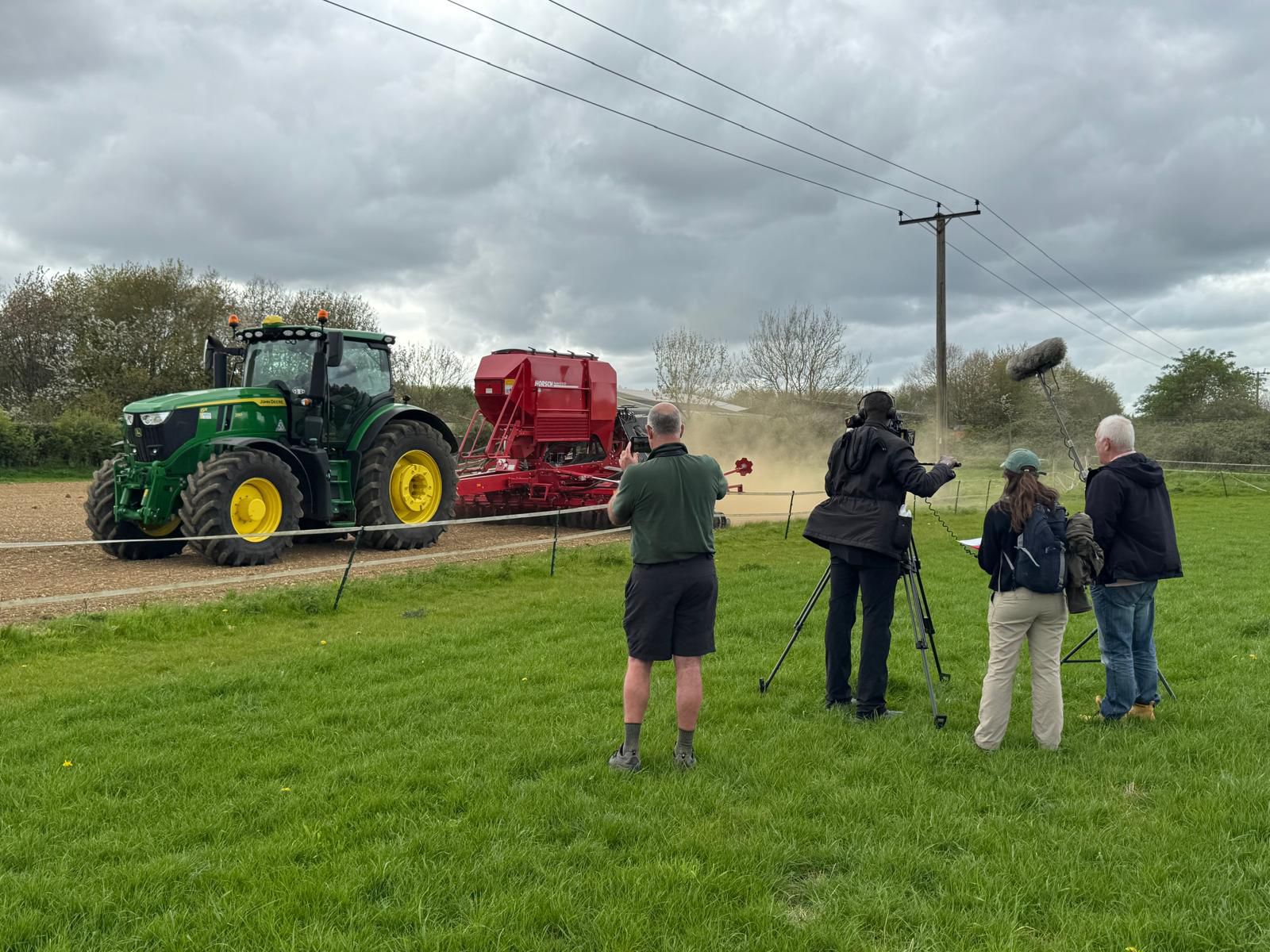
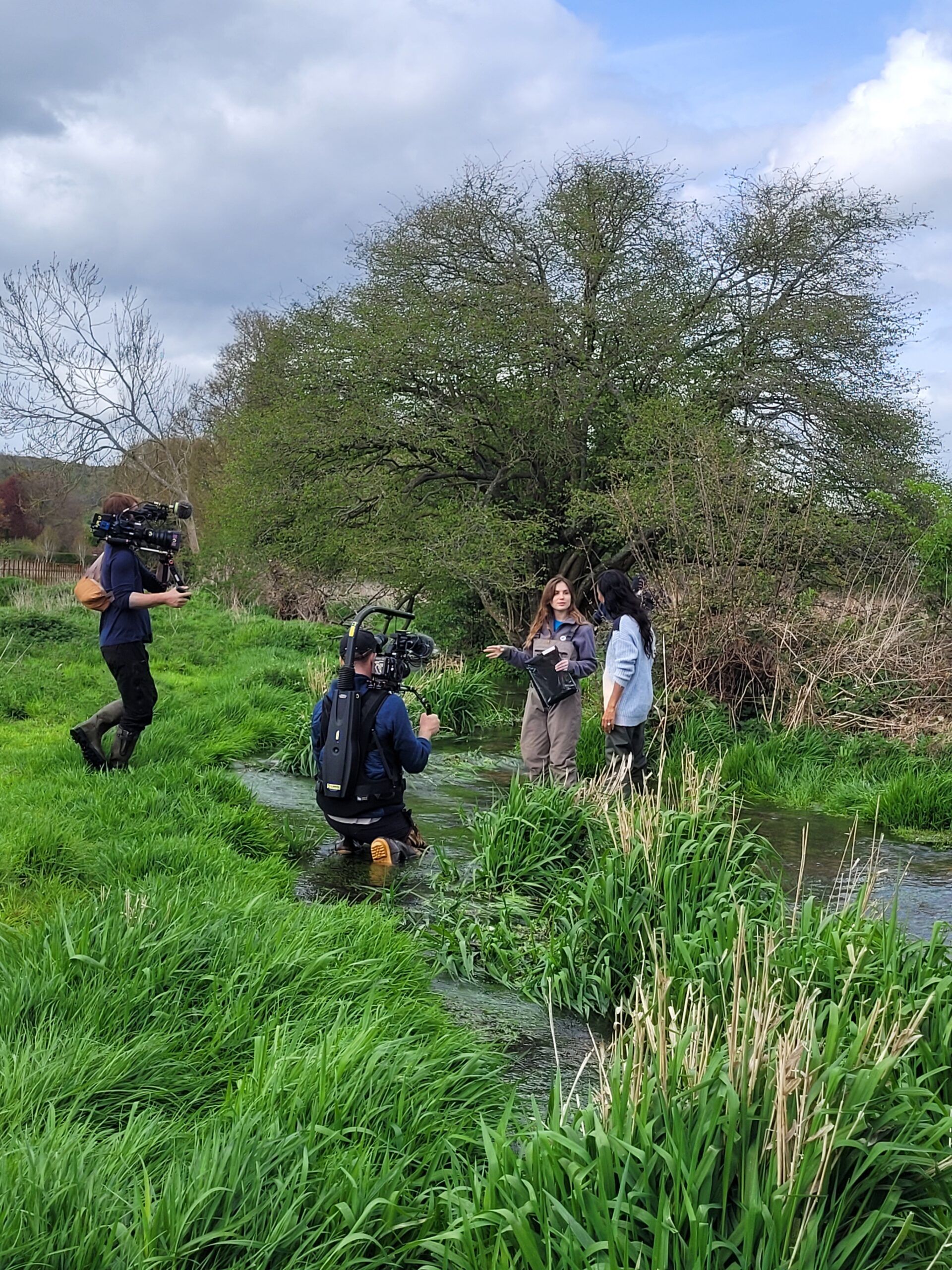
The Chilterns National Landscape took centre stage on BBC Countryfile on Sunday 3 May to explore how joined‑up conservation across land and water is driving significant chalk landscape restoration in the Chilterns.
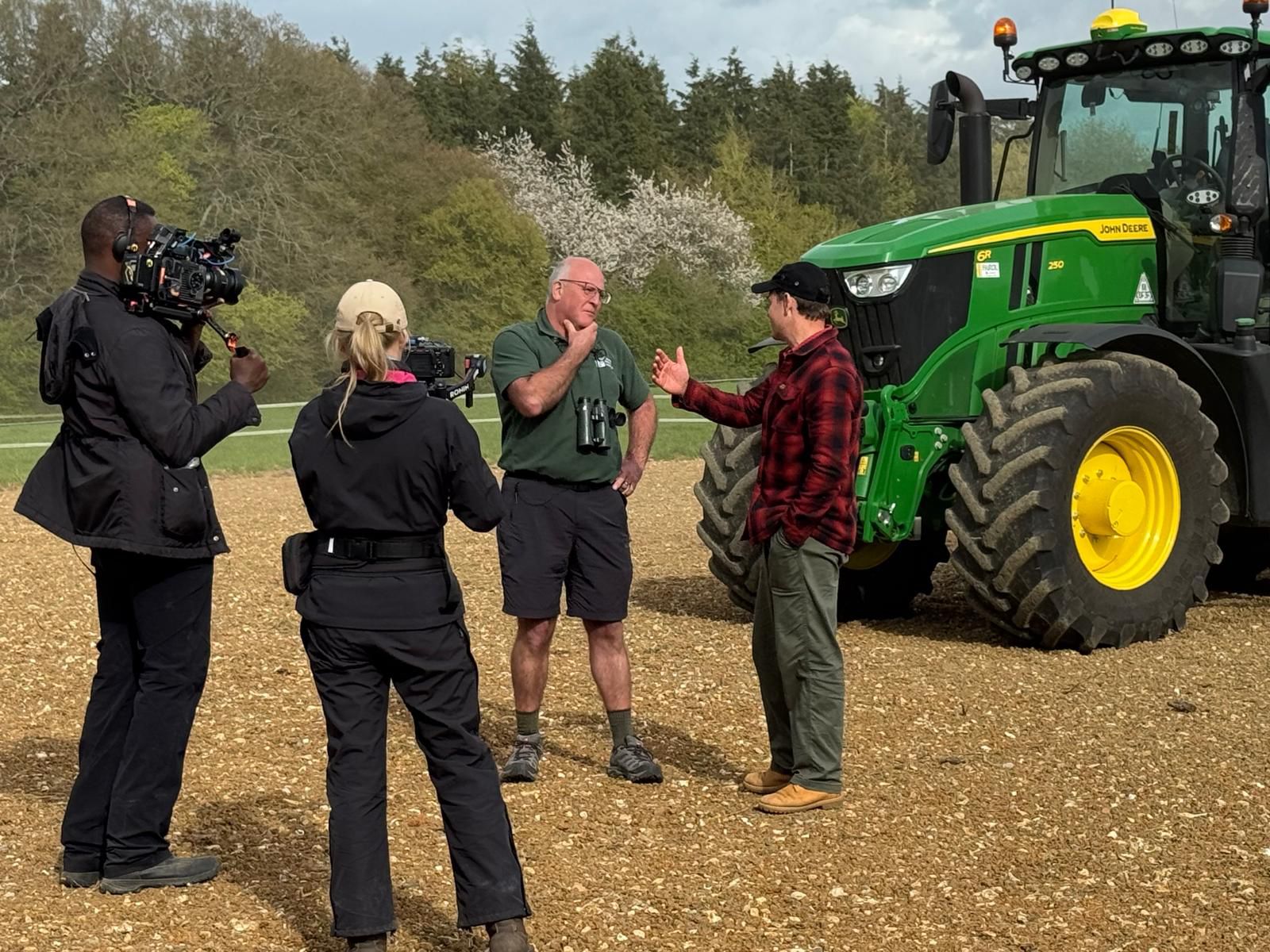
From farmer-led chalk grassland recovery to the restoration of rare chalk streams, landowners, partners and volunteers are working together to reconnect fragmented chalk habitats to restore ecological function, boost biodiversity and build long-term resilience across the landscape.
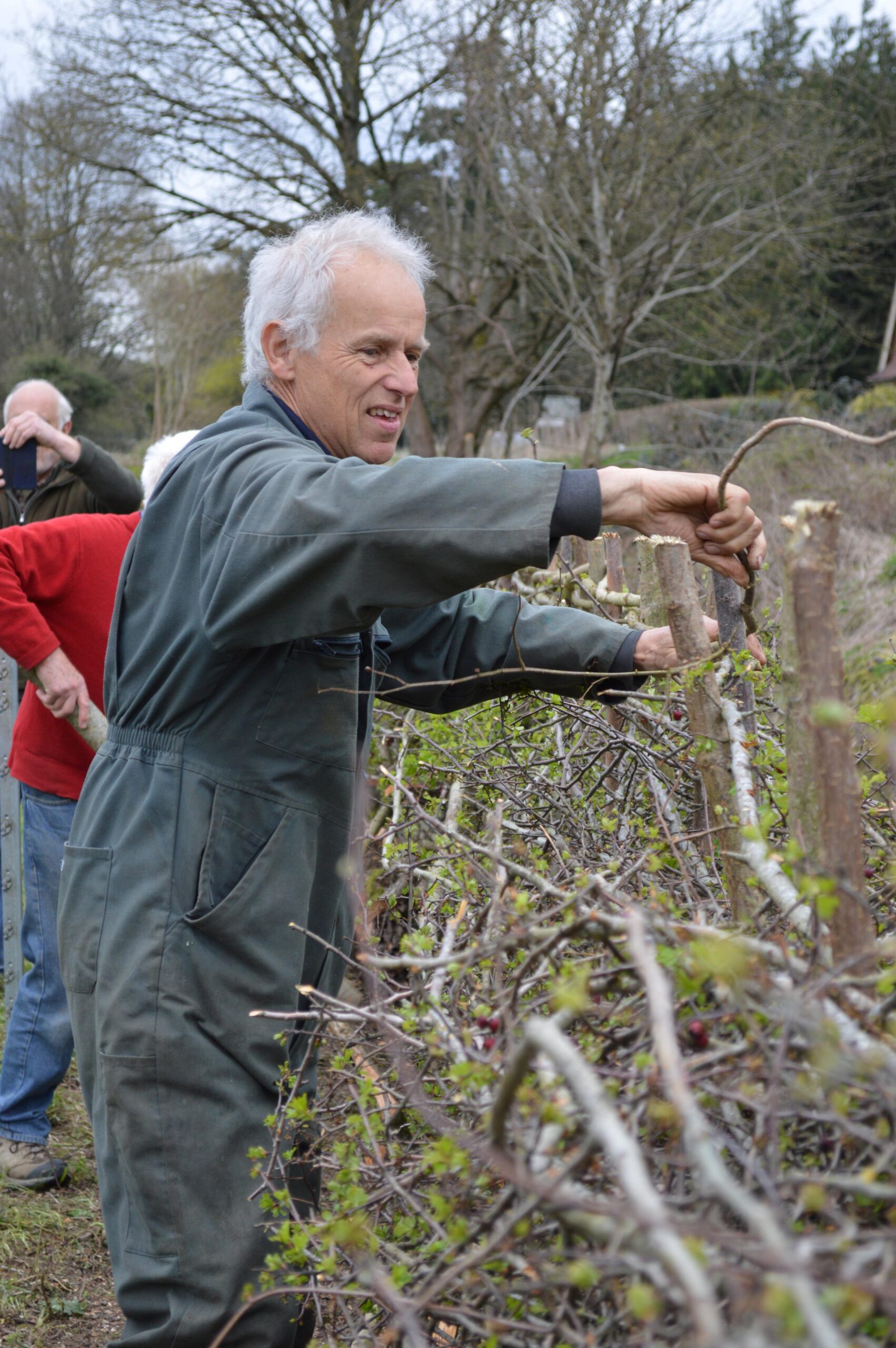
The episode follows a local farmer cluster delivering long-term and coordinated habitat management across multiple holdings, creating a network of chalk grassland. Their work ranges from establishing grazing systems to developing habitat corridors by planting hedgerows and new species-rich grassland. Volunteers play a vital role too, carrying out wildlife surveys and species monitoring to provide valuable indicators of nature recovery.
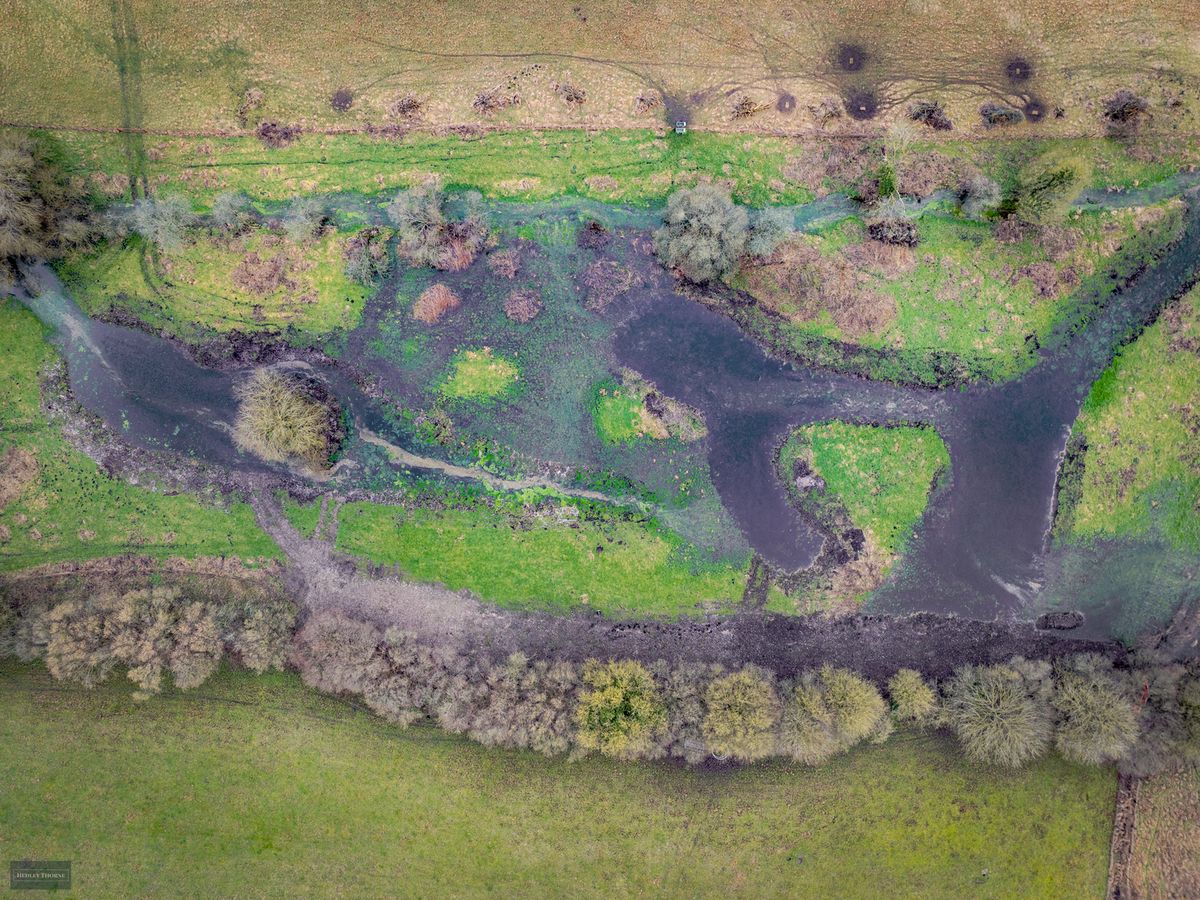
This collaborative approach continues on the Hamble, where the Chilterns Chalk Streams Project (CCSP), hosted by the Chilterns National Landscape, has restored 1.3km of a winterbourne chalk stream. Winterbournes are naturally intermittent watercourses that dry out after winter rains and therefore require management across a range of flow conditions.
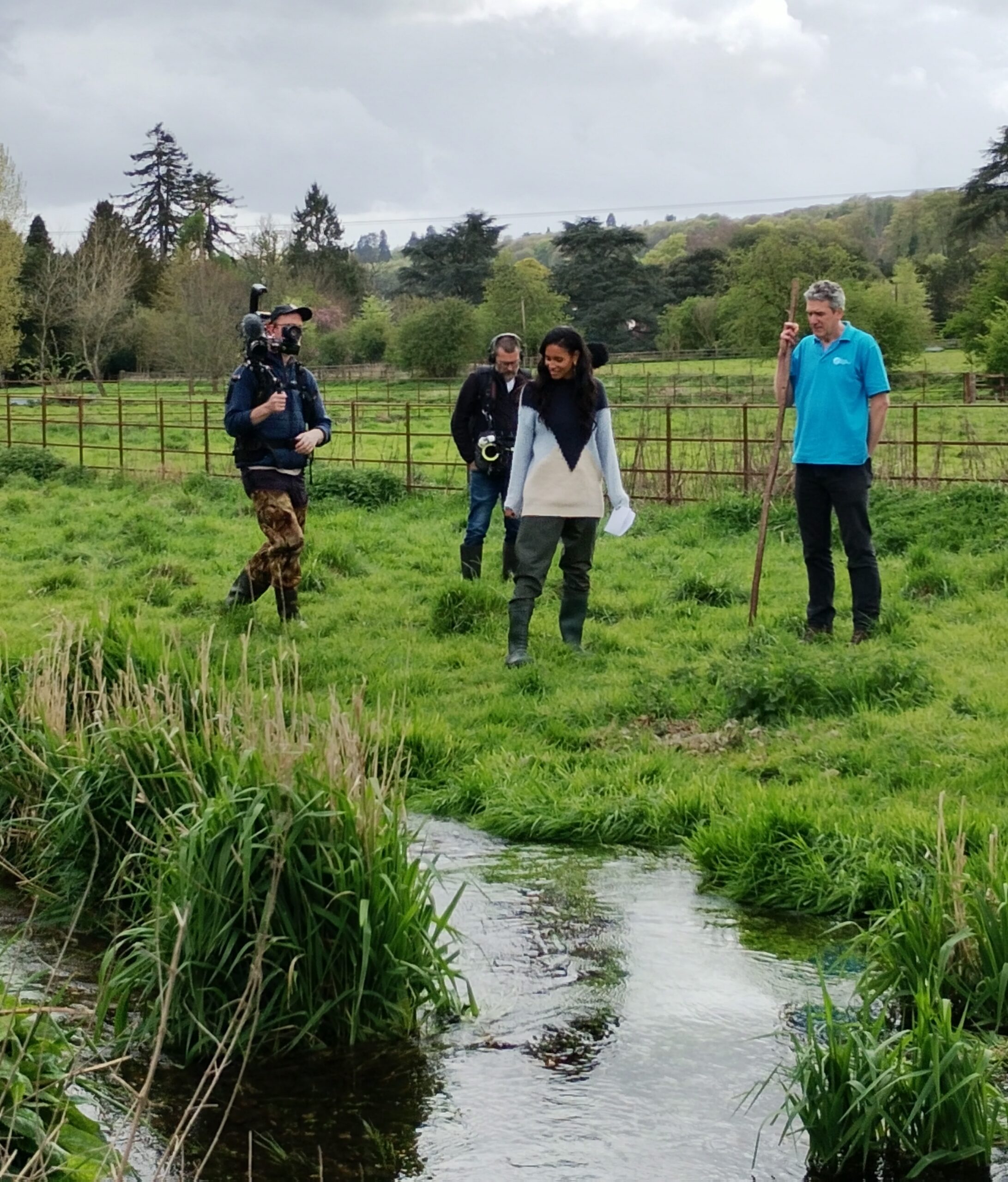
In its largest channel restoration project to date, CCSP used flint gravel and woody material to re‑meander the channel and reinstate natural flow processes. The removal of weirs and the creation of 2,500m² of wetland habitat has improved river connectivity with the surrounding landscape.
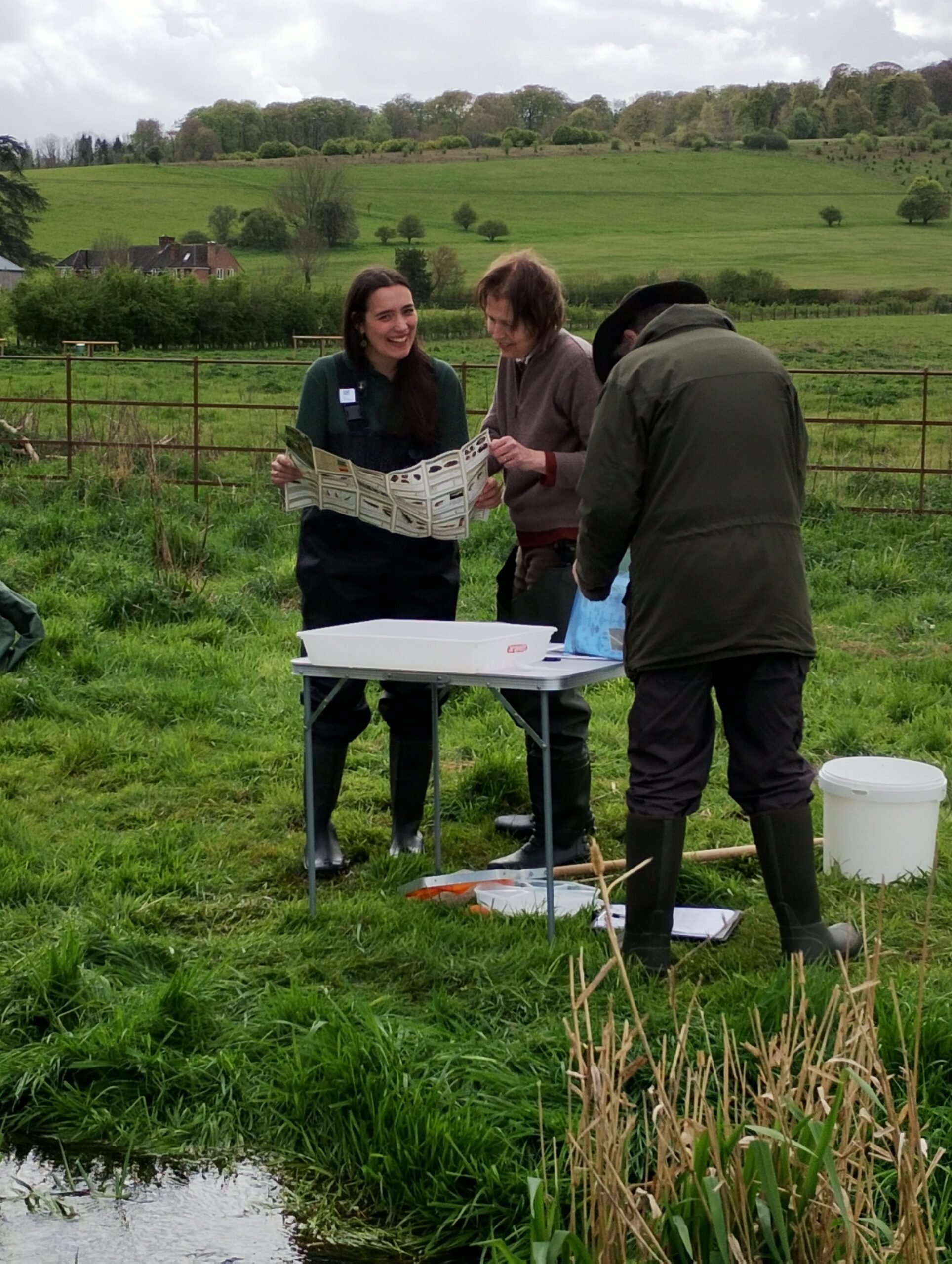
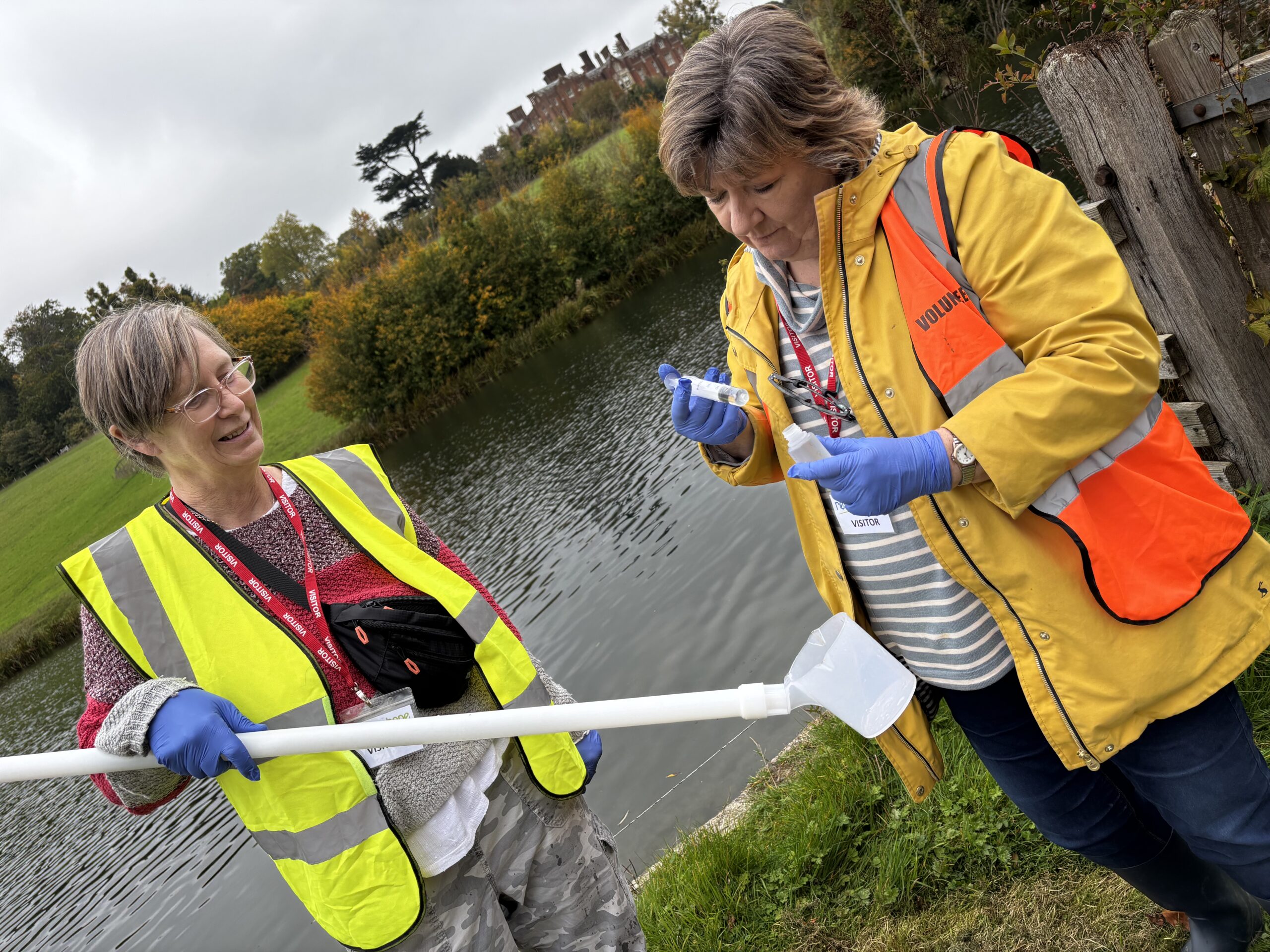
Citizen science sits at the heart of chalk stream restoration. Volunteer data collected before and after works, combined with professional monitoring, shapes project design and provides the evidence needed to track real ecological change.
This project, supported by the Green Recovery Challenge Fund, and delivered through partnerships between the CCSP, Environment Agency, National Trust, Farming in Protected Landscapes (FiPL), Chilterns Heritage and Archaeology Partnership (CHAP), contractors such as RJ Bull Ltd and landowners, demonstrates how shared responsibility across whole catchments can drive recovery at scale.
The success of the CCSP restoration work also feeds into future programmes lower down the Hamble, including the “Not Bourne Yesterday” initiative, funded by the National Lottery Heritage Fund. Currently going through detailed design, this will provide the opportunity to restore the river back into the context of its human heritage as well as the natural ecological setting.
Chalk streams are globally rare, culturally significant habitats, and restoring them together, alongside chalk grasslands reflects the wider ambition of the Big Chalk partnership to create and secure thriving chalk landscapes across southern England through collaborative action for generations to come.
Related news

Exciting improvements coming to the Chess Valley Walk
Restoration works and access improvements along the Chess Valley Walk have begun to enhance the surrounding landscape for both people and wildlife.

A greener Hamble: seeing the benefits of river restoration in a summer of drought
During one of the driest summers in recent years, we're getting a striking glimpse of how the restored landscape is responding.

The Management Plan for the Chilterns National Landscape 2025-2030
The Chilterns National Landscape Management Plan 2025–2030 sets out shared priorities for the next five years to care for this special landscape.
Chilterns Chalk Streams Project
The Chilterns Chalk Streams Project works with local people across the Chilterns to improve river habitats, improve access and enjoyment and promote the sustainable use of water.

Farmer Clusters
Our farmer clusters are proactive groups of farmers who come together to farm with wildlife and climate change in mind.
