


Business resources and support
One in four of the UK’s population is disabled, which may affect where they choose to visit or stay. Everyone’s access needs are different and what one person may consider accessible, another person may not. This is why information is crucial, as 95% of disabled people look for accessibility information before choosing to visit somewhere for the first time. Three quarters of disabled people have said they will not visit a new place if they cannot find the information they need. Here you’ll find useful resources, external links, and contacts for organisations that provide specialist advice and support to create a space that welcomes everyone. Whether you’re looking for national accessibility standards, practical guidance or best practice examples of what others are doing, this section connects you with the right information.

Chiltern Open Air Museum
Below we list some useful resources for businesses and attractions looking to be more inclusive and provide accessibility information:
Access Able is used by over 6.2 million people each year. Their team of access surveyors can carry out access assessments and produce an access guide for your venue. The guide will describe each part of the visitor or customer journey from arriving at the venue, to getting in, getting around and then everything the place and space has to offer. They assess countryside sites and outdoor attractions as well as buildings, for example Woodoaks Farm features a range of indoor attractions as well as an outdoor nature trail.
The Chilterns National Landscape has Defra Access Funding until 31 March 2026 to fund capital projects to make the Chilterns more accessible to people of all ages and abilities, and from all backgrounds.
VisitEngland’s Accessible and Inclusive Tourism Toolkit for businesses has lots of useful resources that can be downloaded free of charge.
The Outdoor Accessibility Guidance produced by the Sensory Trust is an excellent good practice guide showing how to make the outdoors engaging and accessible for everyone, regardless of age, disability and circumstance.
Buckinghamshire is the birthplace of the Paralympic Games. In 2022, Buckinghamshire Culture along with the National Paralympic Heritage Trust and the county’s leading museums and cultural attractions developed a project called Together We Build. A key outcome from this project was the development of a Disability Access Manifesto. This created some useful online resources to help guide businesses on their access journey.
Local businesses and organisations that are leading the way
Amersham Museum
In 2023, Amersham Museum engaged Bucks Disability Service to carry out an access audit that has informed a long term programme of change. This covers improvements to the accessibility of the buildings, online resources and overall approach.
- New supporting material for SEND visitors launched in March 2025.
- Improved virtual access to the museum’s collections with new section on website launched in 2025.
- Additional multisensory interpretation developed in recent years with many more opportunities to touch introduced.
- Discovery bags and a ‘Take a Break’ box enable visitors to explore the museum in their own way.
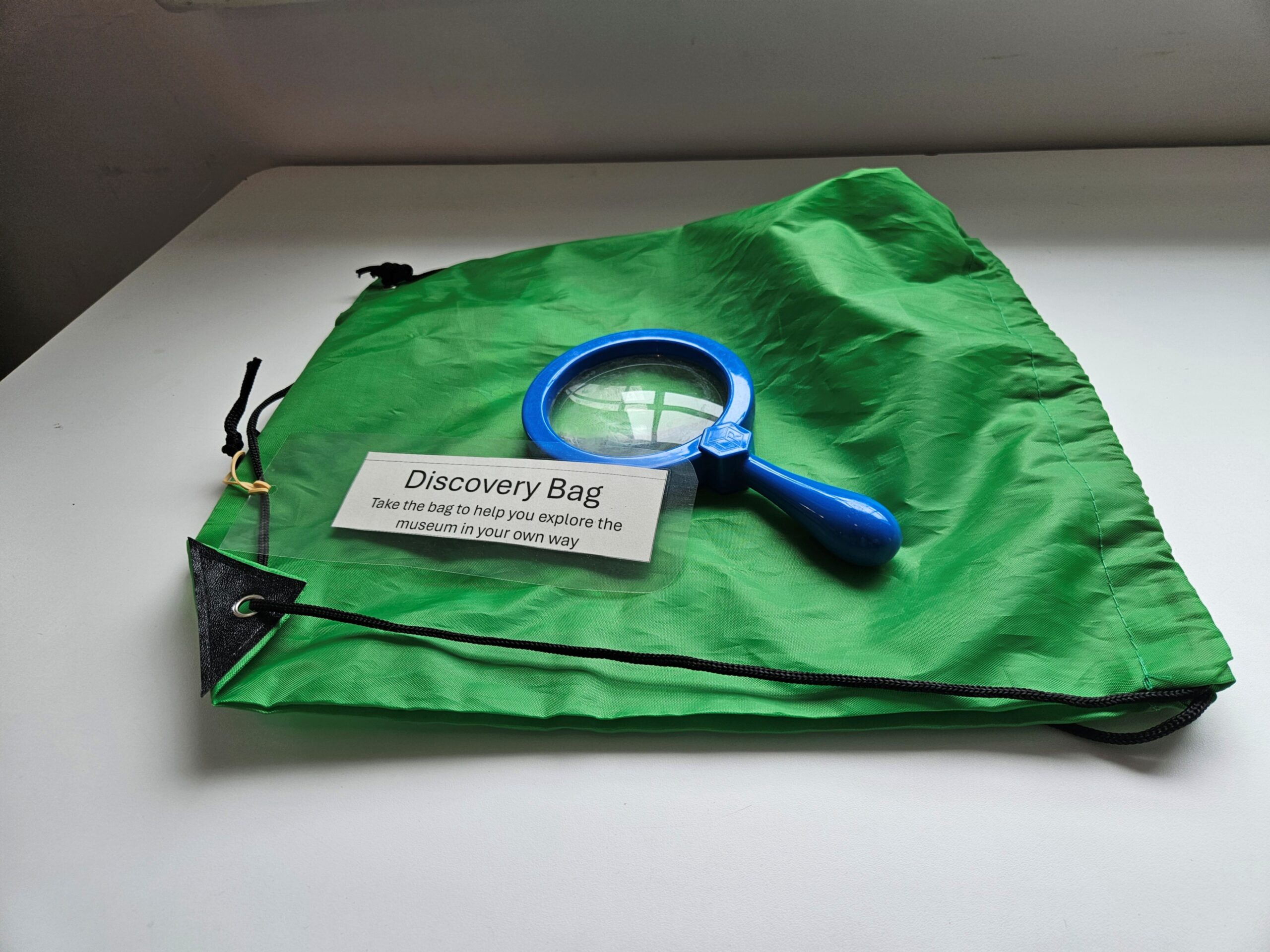
Amersham Museum Discovery Bag
- The garden has been designed to provide a multisensory experience and both the space and plants are used for a range of hands-on activities.
- Quiet mornings for SEND families.
- Free visits for SEND groups during 2026 (subject to availability, funded by King Cullimore Charitable Trust).
Chiltern Open Air Museum (COAM)
COAM has made continual improvements to the accessibility of their site and visitor experience following an access audit in 2022. They make provision for a wide range of different needs, including:
- A Changing Places facility, wheelchair-accessible paths, free hire of wheelchair/mobility scooters, adapted cups and cutlery in the café, buggy transport around the site, and adapted picnic tables.
- Supporting adult visitors through partnerships with community groups like accompanied walks and summer wellbeing socials.
- A sensory trail and sensory backpacks that include ear defenders.
- Small portable loop systems installed at the ticket office and Skippings Barn.
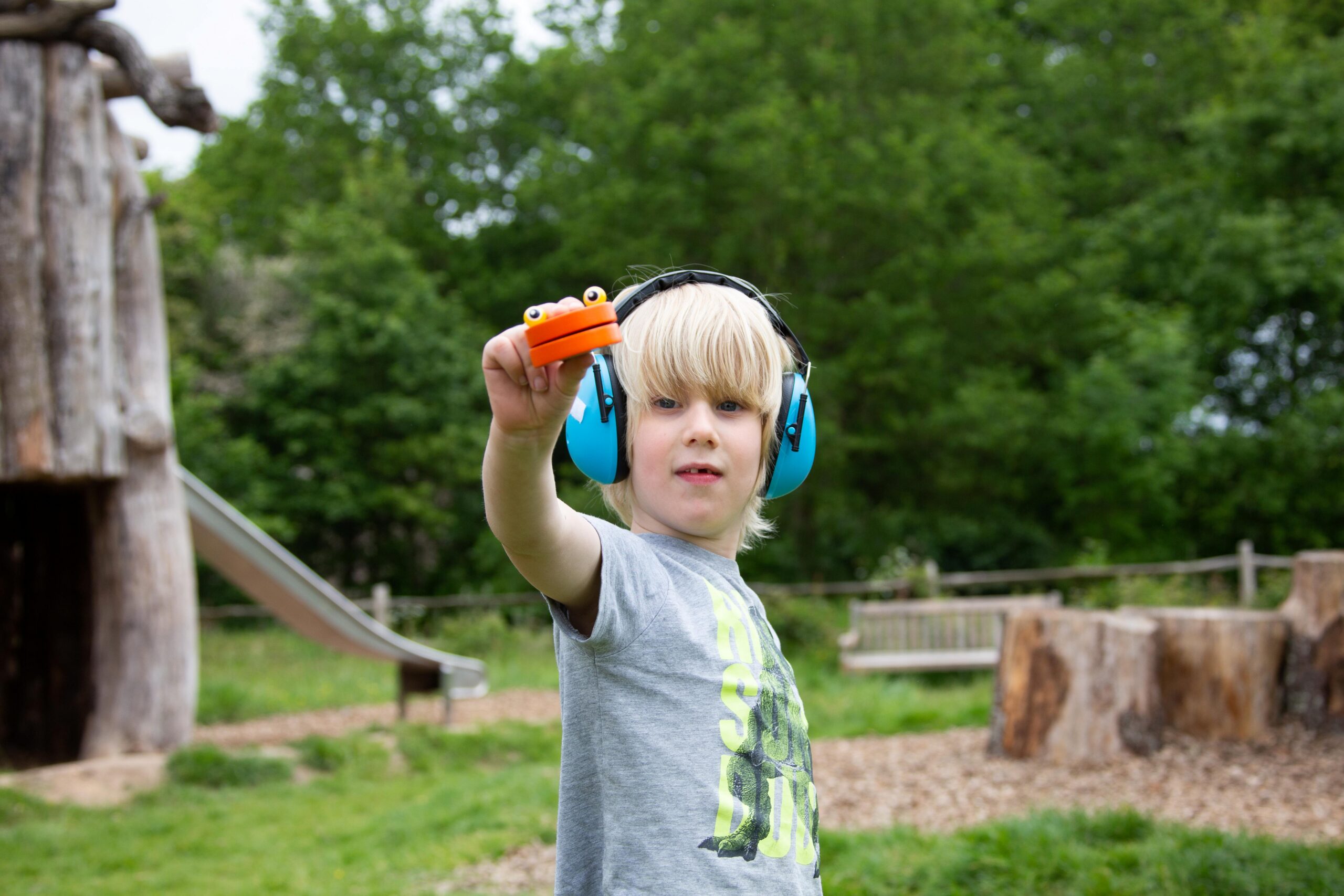
Chiltern Open Air Museum
The Dinton Hermit country pub and rooms
The Dinton Hermit is a 17th century Grade II listed country inn situated in the small hamlet of Ford, on the edge of the Chilterns.
Being located in a listed building makes it more challenging to create an accessible venue, but the inn has worked hard to make improvements over the years. Many disabled visitors “won’t go unless they know” so providing good accessibility information is vital.
The Dinton Hermit has a detailed Accessibility Guide with images so people know what to expect and can plan their visit. Facilities include disabled parking, level access and disabled toilets. The staff are trained to accommodate different needs, so it’s a whole cultural attitude.
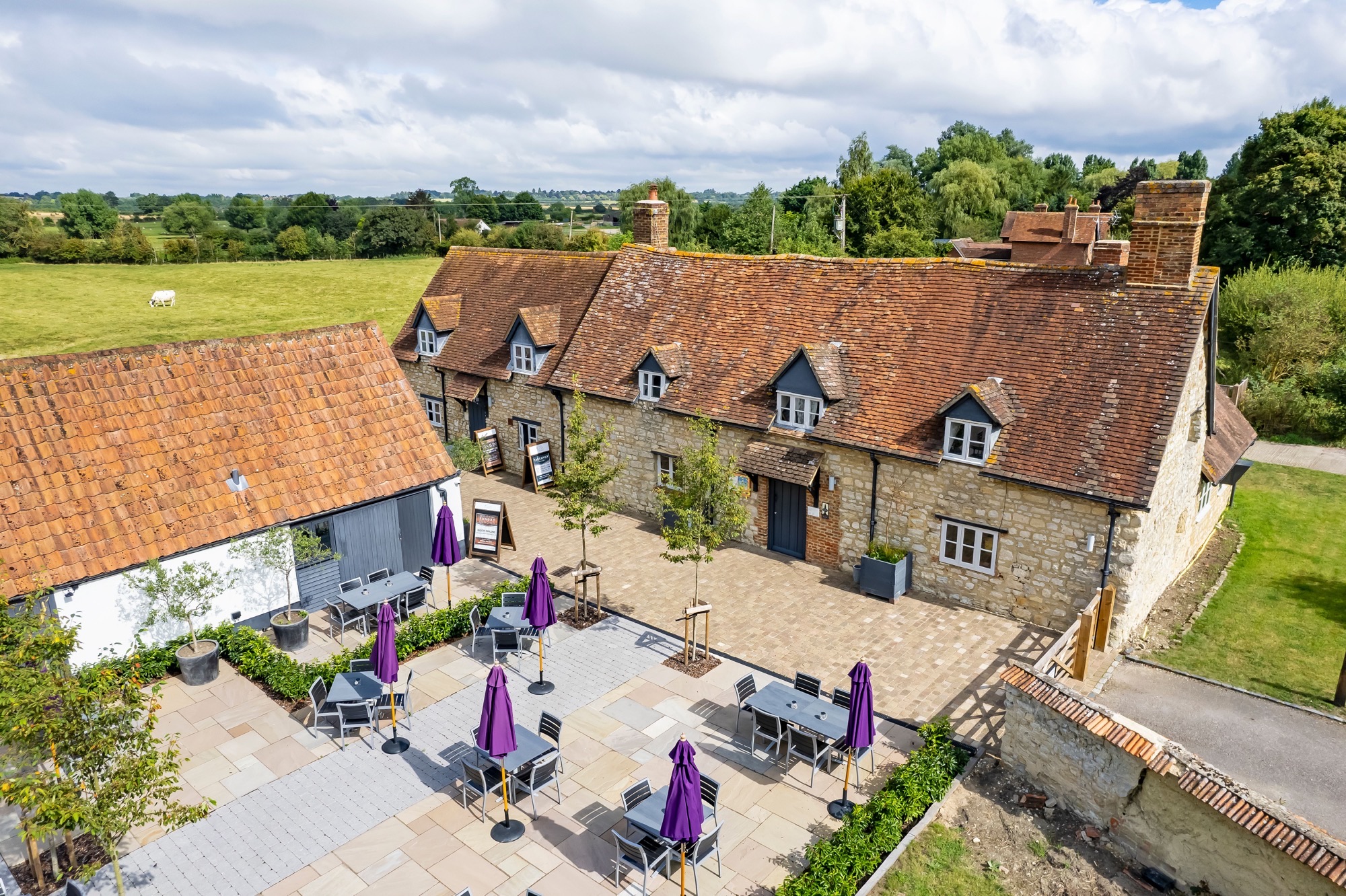
The Dinton Hermit
The Chiltern Gateway Centre at Dunstable Downs
With a large and diverse urban population on its doorstep, the National Trust team at Dunstable Downs has been working hard to make this flagship site more accessible and inclusive for everyone.
The improvements have taken place incrementally as part of an ambitious long-term vision and include:
- Visitor leaflets in different languages reflecting local demographics.
- A range of outdoor clothing to borrow for ages 2–12, as well as child scooters.
- Sensory backpacks available to borrow.
- Braille and large print guides to the site and its facilities available to hire.

Dunstable Downs
- A sensory sculpture trail with points of interest due to open in 2026.
- A sensory garden with touch and feel objects to provide a calm, tranquil space by the visitor centre is due to open in 2026.
- A new natural play area themed on the Five Knolls Barrow is due to open in 2026.
- Wheelchairs/scooters for hire and new access paths being developed.
The Grange Restaurant in Saunderton
The Grange Restaurant is based within the headquarters of Hearing Dogs for Deaf People and has been designed to be accessible to all – they have particular expertise in providing for those with hearing loss.
The building has been created with acoustics and accessibility in mind – making people with deafness and hearing loss a top priority. There is a state-of-the-art hearing loop, acoustic flooring and ‘sound clouds’ which improves everyone’s listening experiences. Staff and volunteers are trained in deaf and hearing loss awareness.