


Our Equity, Diversity and Inclusion Ambition
Equity, diversity and inclusion is at the heart of what we do.
Our commitment to equity, diversity and inclusion shapes everything we do – from the partners we work with to the services we provide. Here you can read our vision and policies, and see how we’re working with our communities to remove barriers and create more inclusive opportunities to enjoy the Chilterns.
Chilterns National Landscape – Equity, Diversity and Inclusion Ambition
The Chilterns National Landscape is committed to ensuring that the natural beauty, culture, and health benefits of the Chilterns are available and accessible to everyone, as set out in our vision:
“We ensure that all voices are heard and respected, promoting equal access and opportunities for everyone to enjoy, participate in and contribute to the conservation, enhancement, understanding and enjoyment of the Chilterns.” (Chilterns National Landscape Vision and Values 2025)
Why Equity Diversity and Inclusion matters
Our EDI Ambition sets out why Equity Diversity and Inclusion is so important to us:
- National Landscapes were created for the benefit of the nation and have always been for everyone to enjoy. They should be equally accessible to everyone yet we know this is not the case with many facing barriers.
- As the organisation responsible for producing the Chilterns National Landscape Management Plan, we have a pivotal leadership role to play in influencing, galvanising and supporting the sector to deliver the EDI ambitions in the Management Plan and through our strategic partnerships. We need to lead and influence by example.
- The conservation sector is the least diverse of any sector. To tackle the huge challenges we face– biodiversity crisis, growing disconnect with nature – we need to encourage a diverse range of voices and perspectives. The more relevant and inclusive our work, the more likely people are to care and take action for nature.
We have an EDI Advisory Group made up of staff and Board members to help drive our ambition. This ensures it’s embedded into our work programme and throughout our organisation.
Read our full EDI ambition
Engaging the public: priority audiences
We are prioritising communities where we can have the greatest impact. From 2025 to 2027, we are focusing on the groups shown below. Priorities and resources may change over time enabling us to address other groups in the future. Many people will fit more than one of the categories and the benefits of our engagement activity will reach across different audiences.
- Economically and socially disadvantaged communities in and around the Chilterns, including the large culturally and ethnically diverse populations in towns such as Luton/Dunstable, High Wycombe and Reading, which face many barriers
- Young people (under 25), particularly those who may thrive in outdoor learning environments, including neurodiverse individuals.
- Disabled people with mobility, sensory and mental health challenges, learning disabilities and hidden disabilities.
We recognise that other groups also face barriers to engagement, and we will continue to take advantage of opportunities to broaden participation. Individual projects may define their own audience priorities based on context and need.
Our Equity Diversity and Inclusion Objectives
We have defined the following strategic EDI objectives to focus on through 2025-2027:
Improve EDI knowledge and capability within the Chilterns National Landscape team
- Make our revised EDI Ambition and updated EDI policies visible. Raise awareness amongst staff and Board and incorporate into our induction and training programmes. Ensure the policies are aligned with and embedded in our work, and that our working practices match the policy aspirations.
- Review EDI training and development needs for all staff and Board members, from induction onwards. Share learning, resources and facilitate knowledge sharing with staff, Board members and partners.
- Sign up for Disability Confident Scheme accreditation and aim for Employer (level 2).
EDI Projects and Partnerships
- Support EDI engagement and partnership development in Luton and the North Chilterns through Nature Towns and Cities, the North Chilterns Partnership and Luton Henge legacy.
- Allocate the 2025/26 Defra Access Funding (£429,000) to help develop and support EDI initiatives.
Develop our strategic approach and share learning
- Communicate our approach around EDI and engaging young people. Pilot new approaches, share learnings and identify opportunities. Create new section on the Chilterns National Landscape website on youth volunteering, work experience and traineeships.
- Develop our organisational approach to volunteering, looking at how we can make it more relevant and accessible to diverse audiences. Pilot new approaches, share learning and identify opportunities.
Raising visibility
- Create a new Access Hub on the Chilterns National Landscape website landing page which brings together all our access and inclusion information.
- Make our EDI Ambition, case studies and resources more visible throughout our website and communications.
- Create digital assets (videos, case studies, infographics) to help communicate our EDI activity.
Examples of EDI activity in the Chilterns
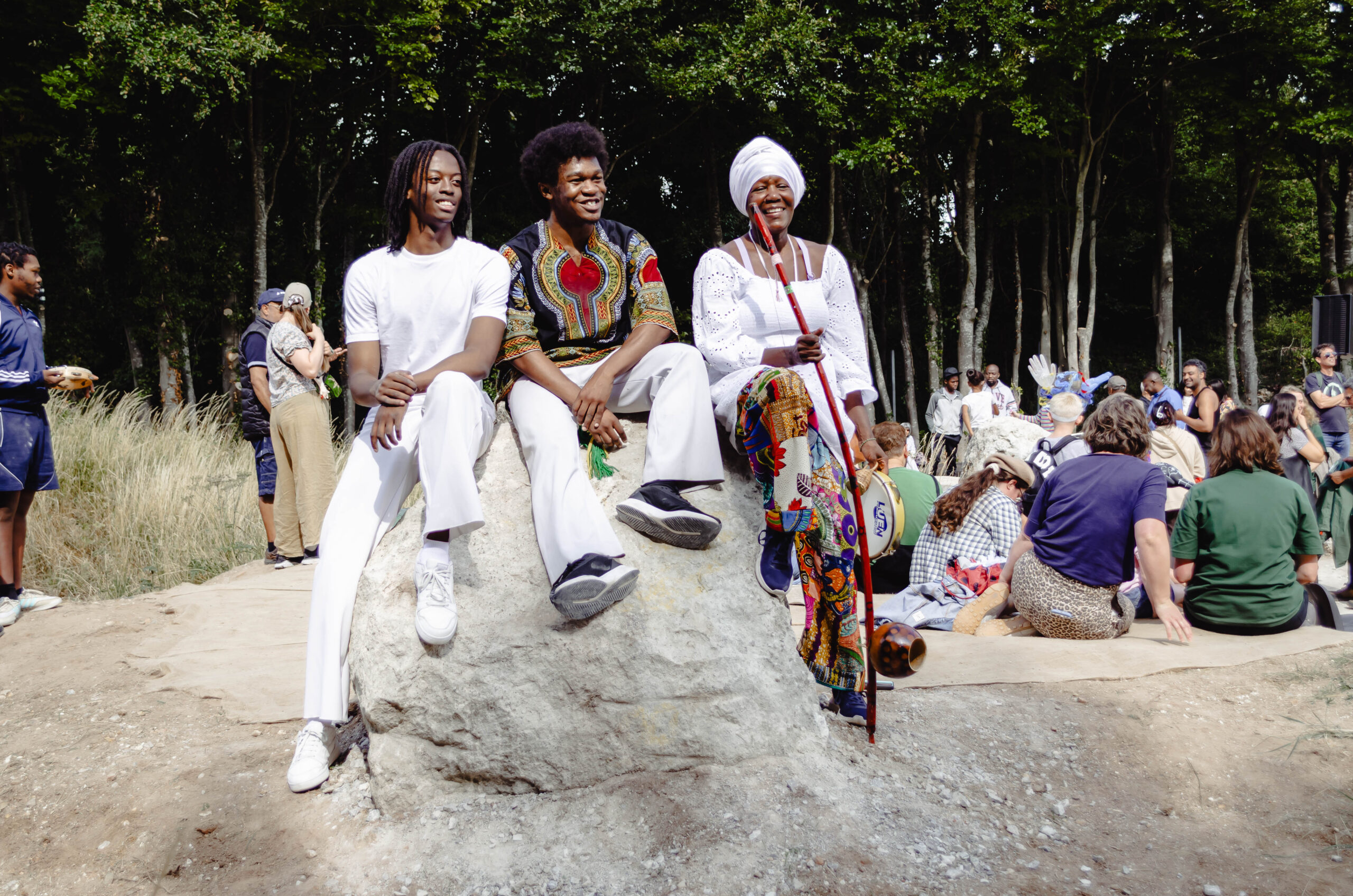
Luton Henge: engaging with underserved audiences
The Chilterns National Landscape led a community co-creation project in Luton, as part of Nature Calling – a £2m national arts programme designed to inspire new communities to connect with their local National Landscape.
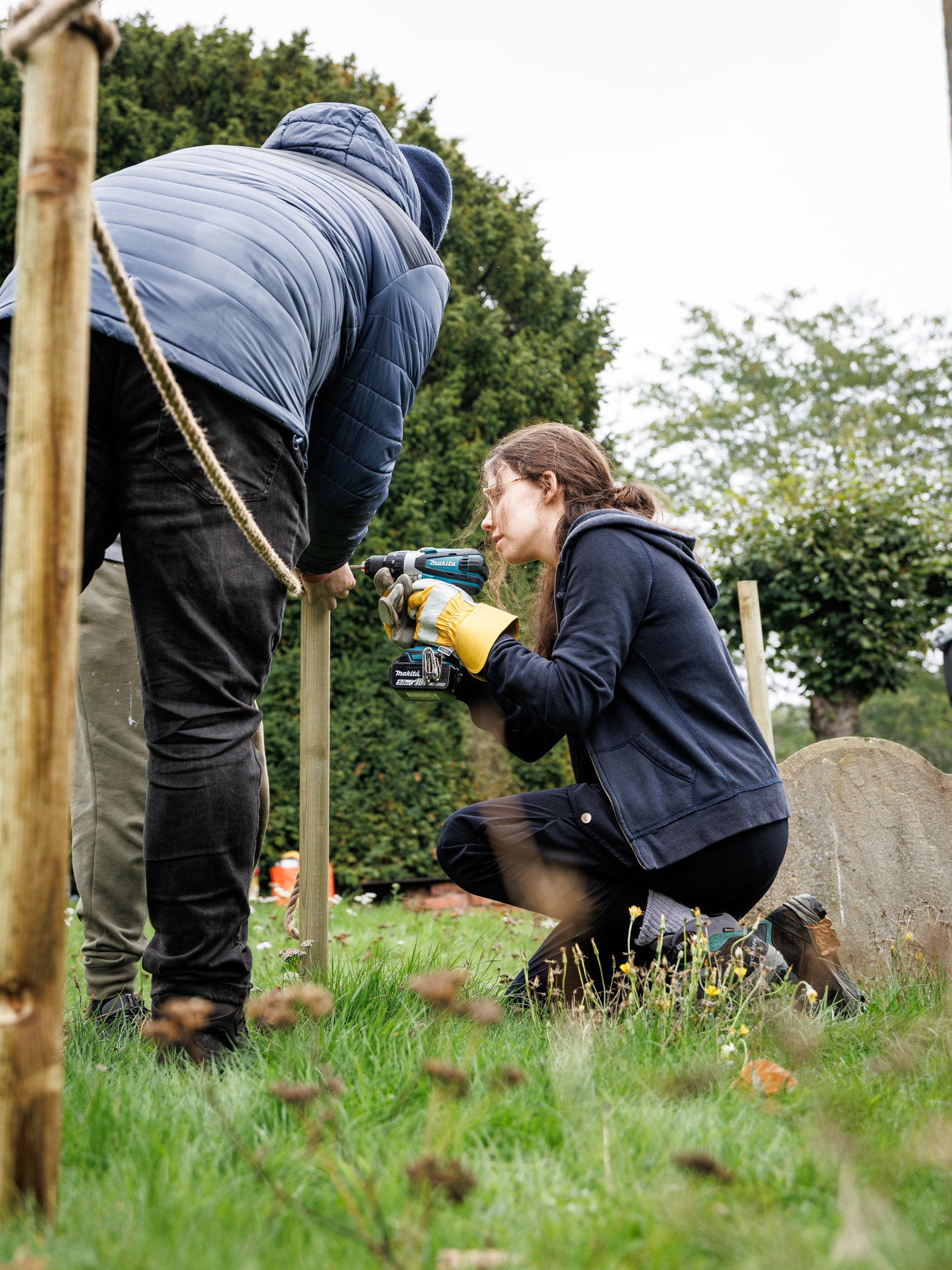
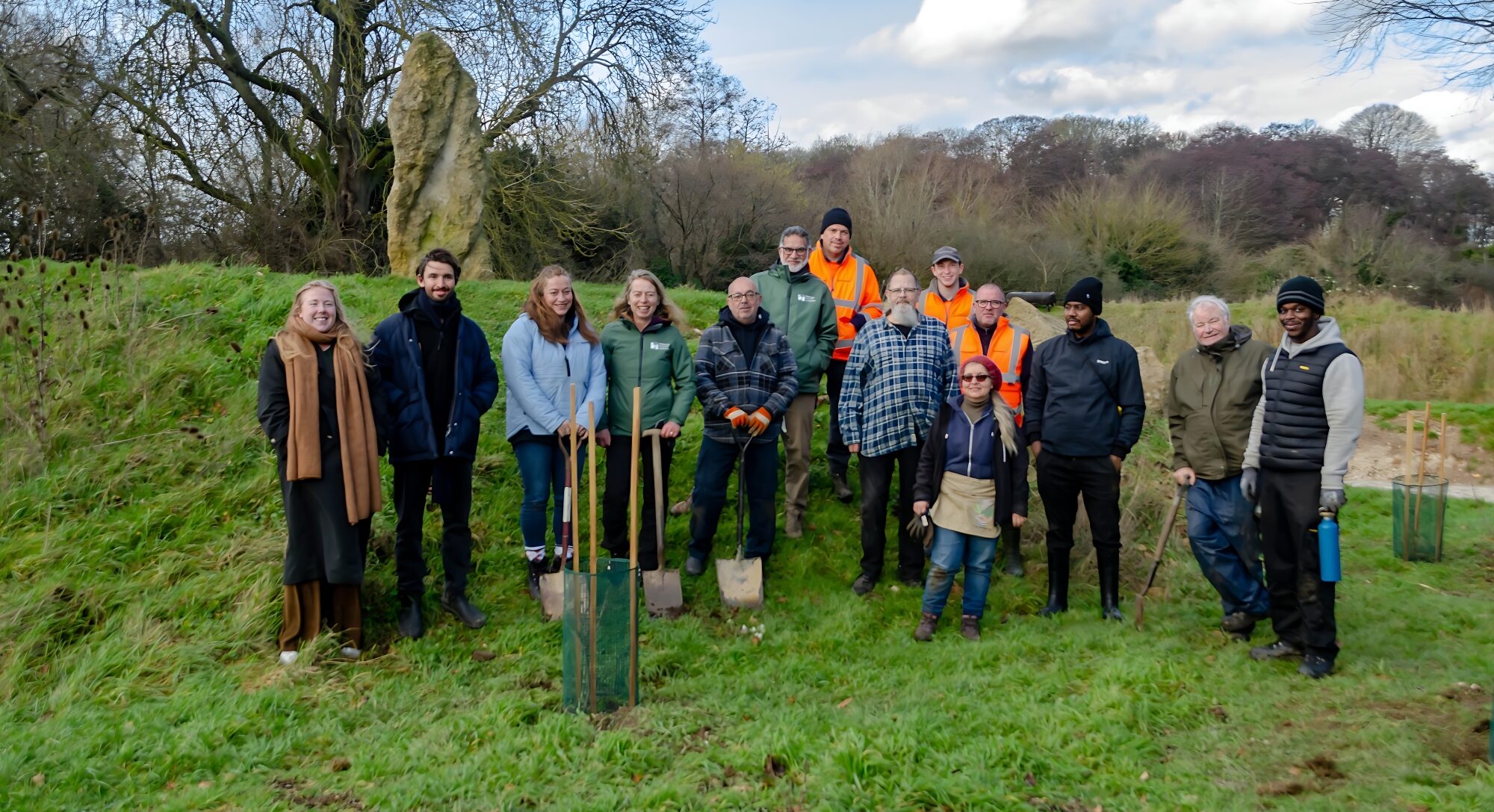
Working with local community groups and schools, a Luton Henge monument and community gathering space was co-created and built with the help of the local community, providing a lasting legacy. Volunteers are helping to restore the chalk grassland around the Henge, planting chalk-loving shrubs, fruit trees and wildflowers. The improved habitat is benefiting both people and nature.
Sidney Sambu
Access for All
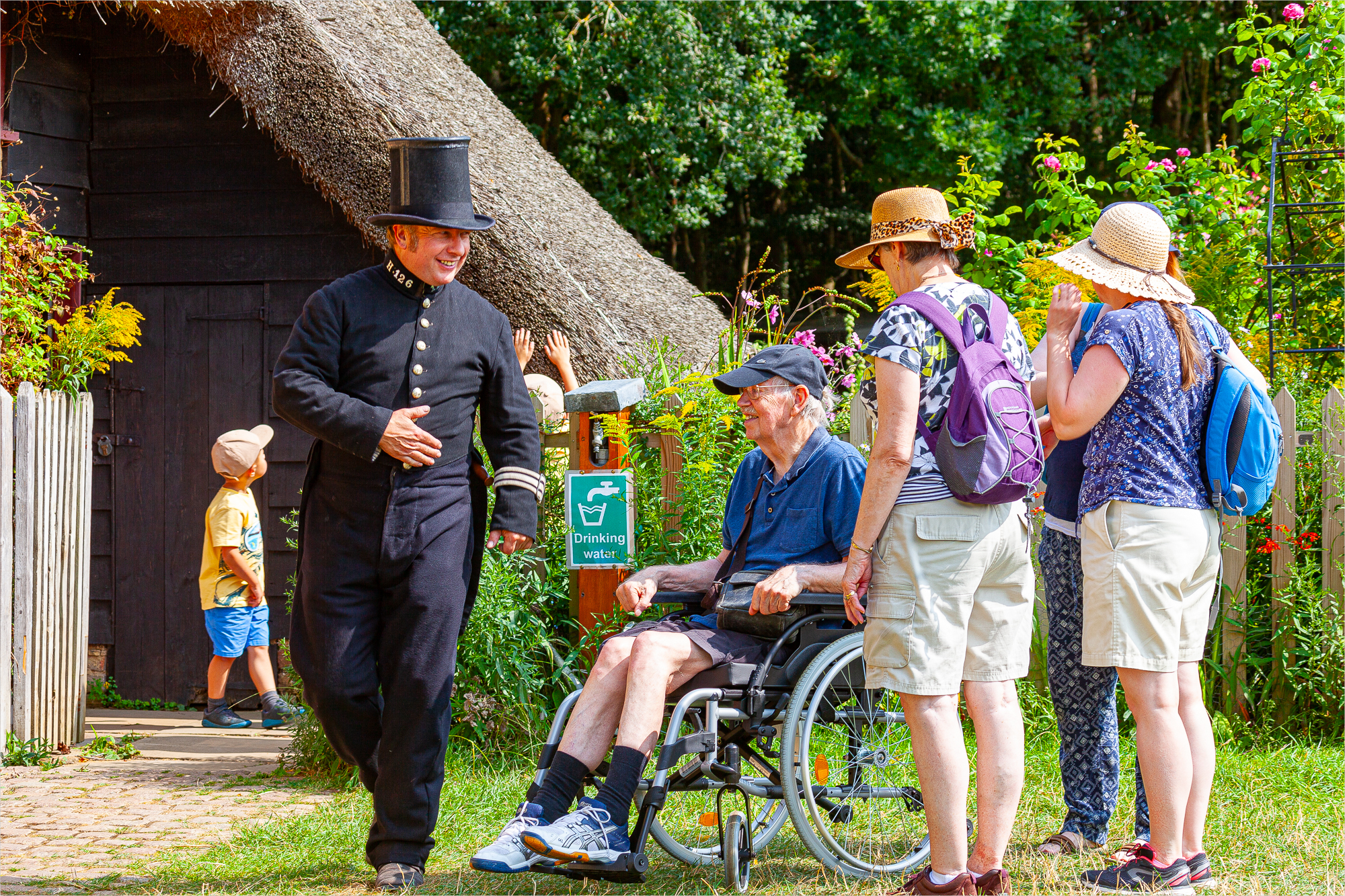
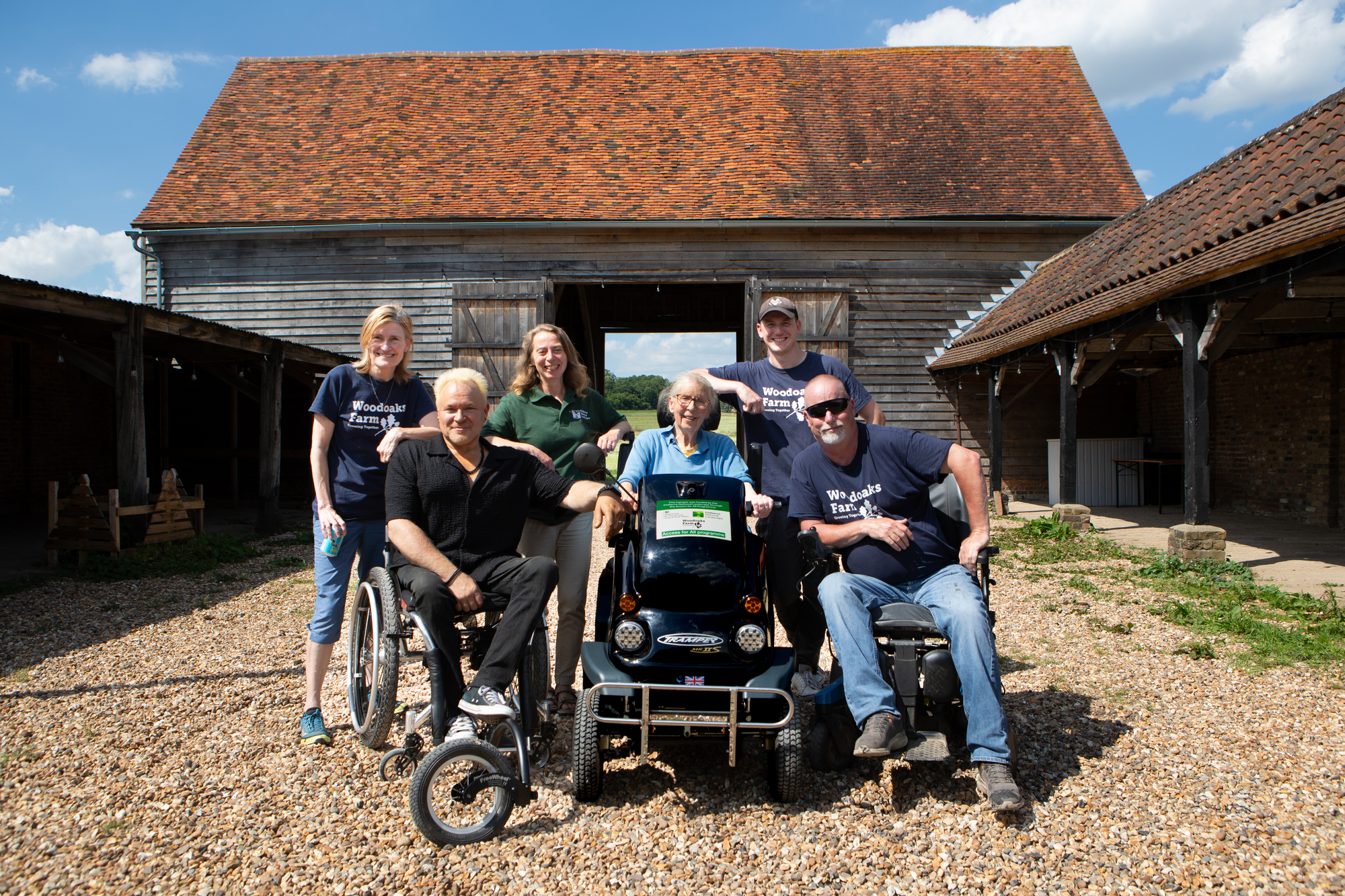
Since 2022, we have allocated over £900,000 of Defra Access Funding for projects that improve countryside access and facilities. This includes replacing stiles and barriers with accessible gates, creating new accessible paths, purchasing mobility vehicles that can be used by visitors to explore countryside sites, funding accessible toilets, and producing audio guides, videos and digital information to help people plan visits.
A quarter of the population is disabled, so these improvements are making a huge difference to many people and their families who might not otherwise be able to access the countryside.
Simon Booker
Commissioning and sharing EDI-focused research
We commission and share important research which benefits partners, the wider sector and other National Landscapes.
Highlights include:
- Chalkscapes research on the barriers and enablers to using greenspaces by diverse communities. This groundbreaking research has informed much of our work in the northern Chilterns and helped secure funding for a major community outreach programme, a key recommendation of the research.
- Research on diversifying citizen science volunteering.
University of Bedfordshire
- Youth engagement research on undeserved audiences in High Wycombe age 14-18 highlighting how nature and heritage organisations could better engage with young people in the future.
Engaging young people
We are delivering and supporting activity aimed at engaging young people:
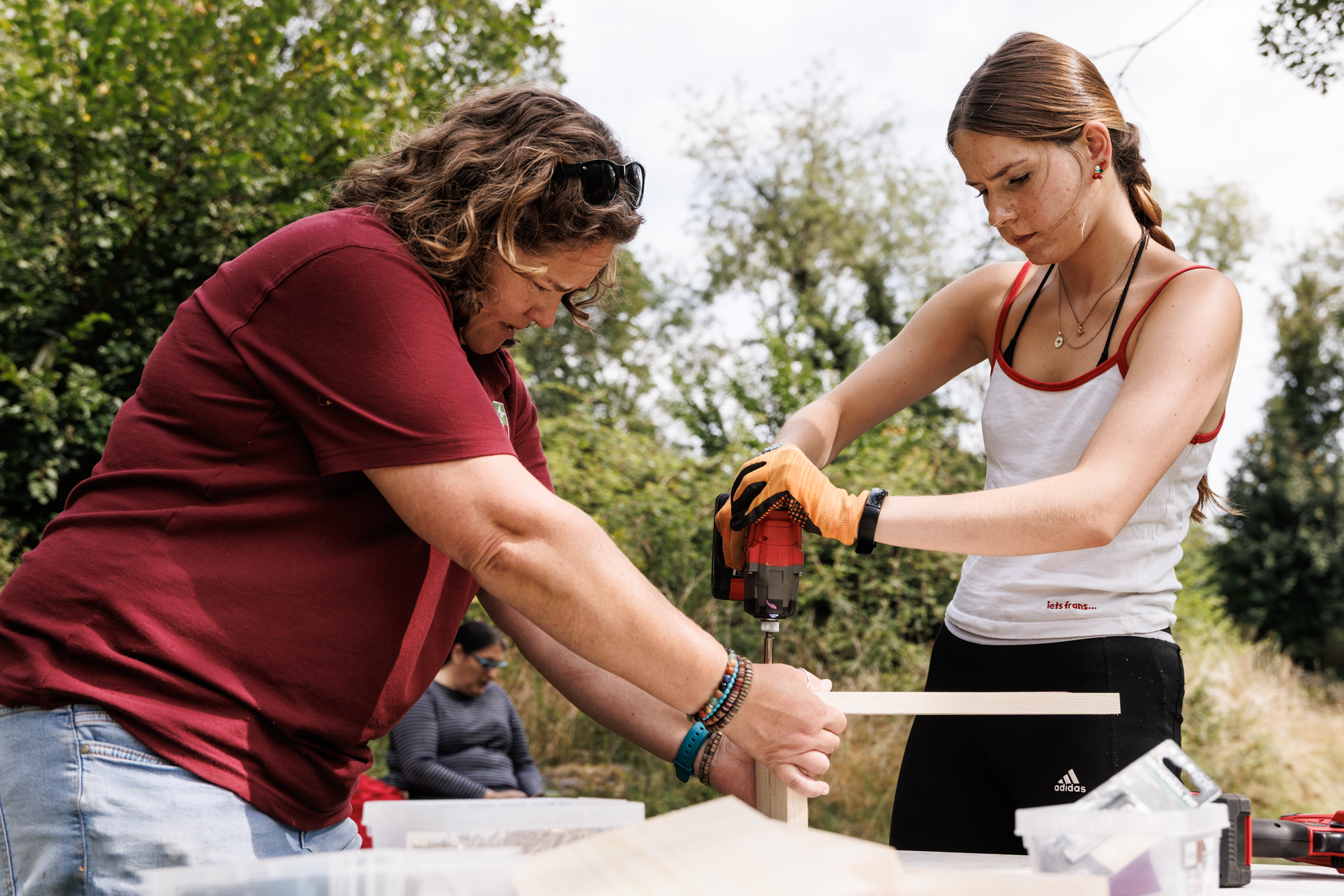
- Next Generation is a heritage and nature-based partnership group led by the Chilterns National Landscape focused on encourage more young people to get involved in conservation and heritage activities, especially disadvantaged young people age 14-19. The Next Generation partners have piloted some innovative approaches to working with young people.
- The Chilterns National Landscape is developing a youth hub on its website, which will bring together information on youth work experience and volunteering, traineeships and youth voice.
Neil Marshment Photography
- Not Bourne Yesterday is a National Lottery Heritage Fund development stage project, aiming to reconnect communities with their local chalk streams. The focus is on reaching diverse audiences, including young people, and includes plans for four traineeships.
- Mend the Gap is supporting schools in the programme area to engage with the local landscape through its Landscape Literacy Project.
- The Chilterns Chalk Streams Project has been delivering a wide range of sessions for primary and secondary schools throughout the Chilterns, to deepen understanding and engagement with chalk streams.
Strategic partnerships
We support strategic partnerships with the common goal of engaging underserved communities.
We are a strategic partner in the Luton Council-led Nature Towns and Cities bid “Roots to Healthy Places”. This is a £1 million partnership project funded by the National Lottery Heritage Fund which commenced in January 2026. The project aims to improve access and connections to nature across our communities with a particular focus on those who have the greatest barriers to accessing our greenspaces. It includes the recommendations from the Chalkscapes Access to Greenspace research, commissioned by the Chilterns National Landscape, for delivering a Collaborative Targeted Outreach Programme.
Chiltern Rangers
Raising visibility
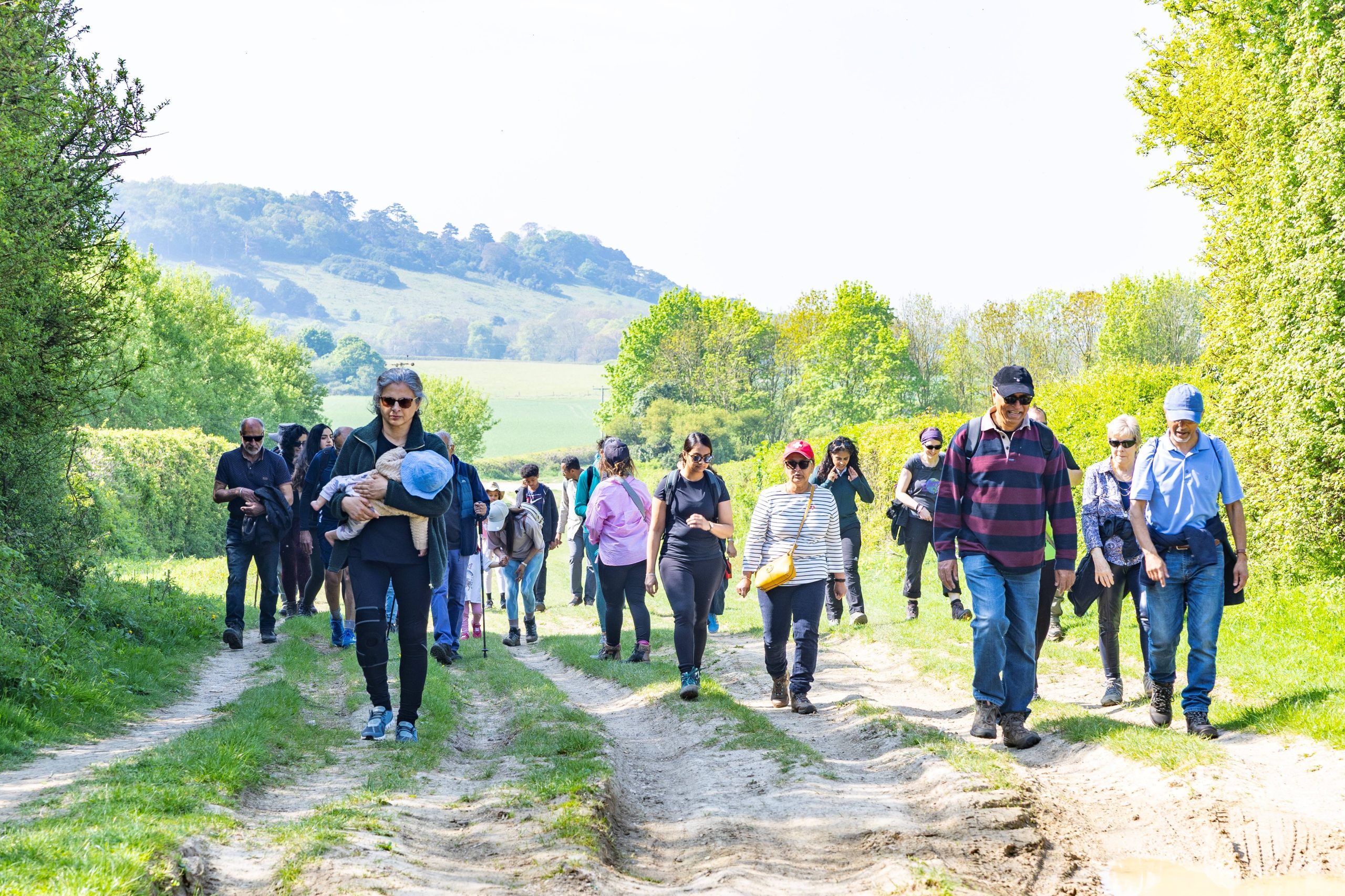
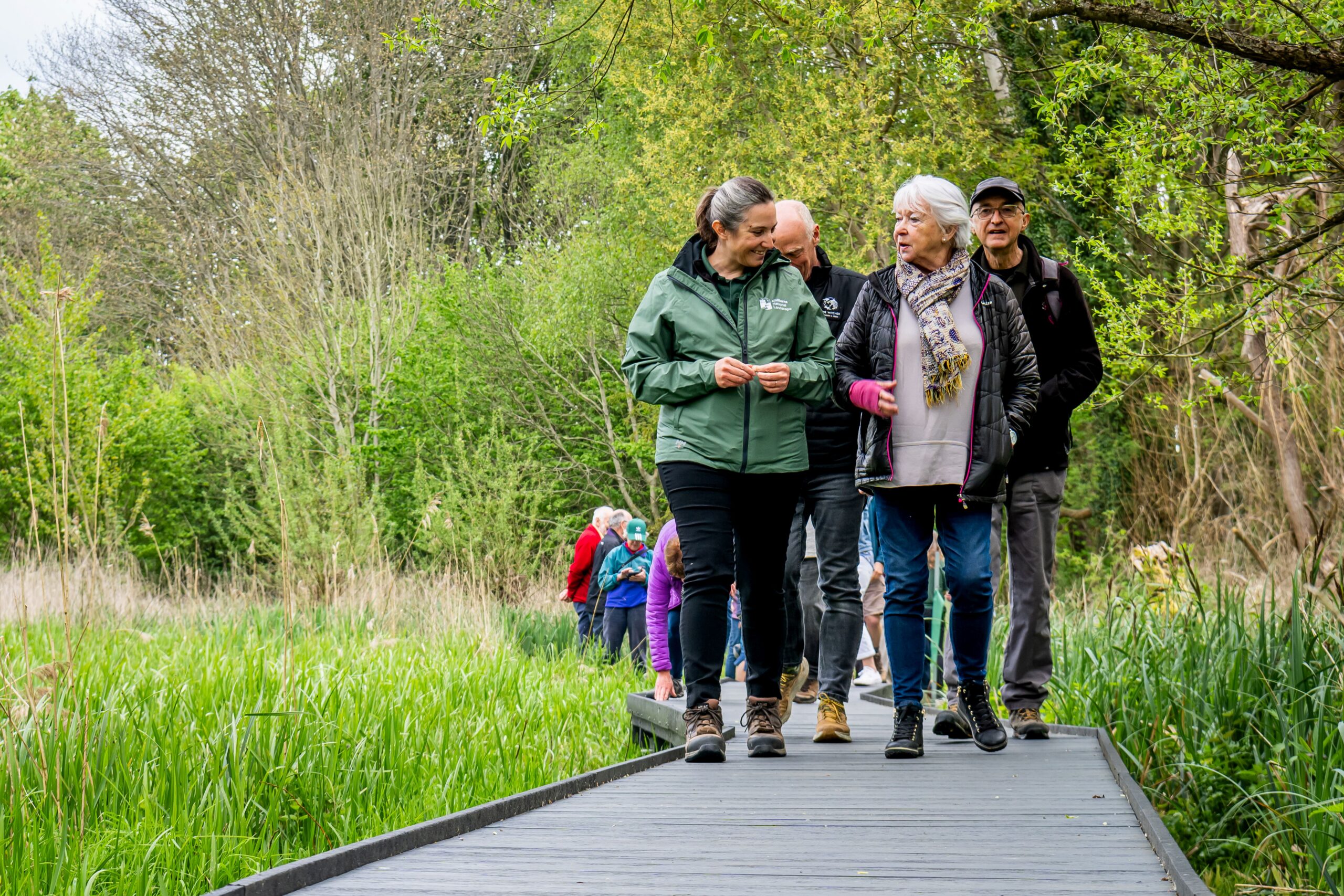
We are raising awareness of the many groups that are helping to break barriers and make the countryside more accessible to everyone. We have funded videos and countryside access guides, which are helping to champion inclusive countryside visiting.
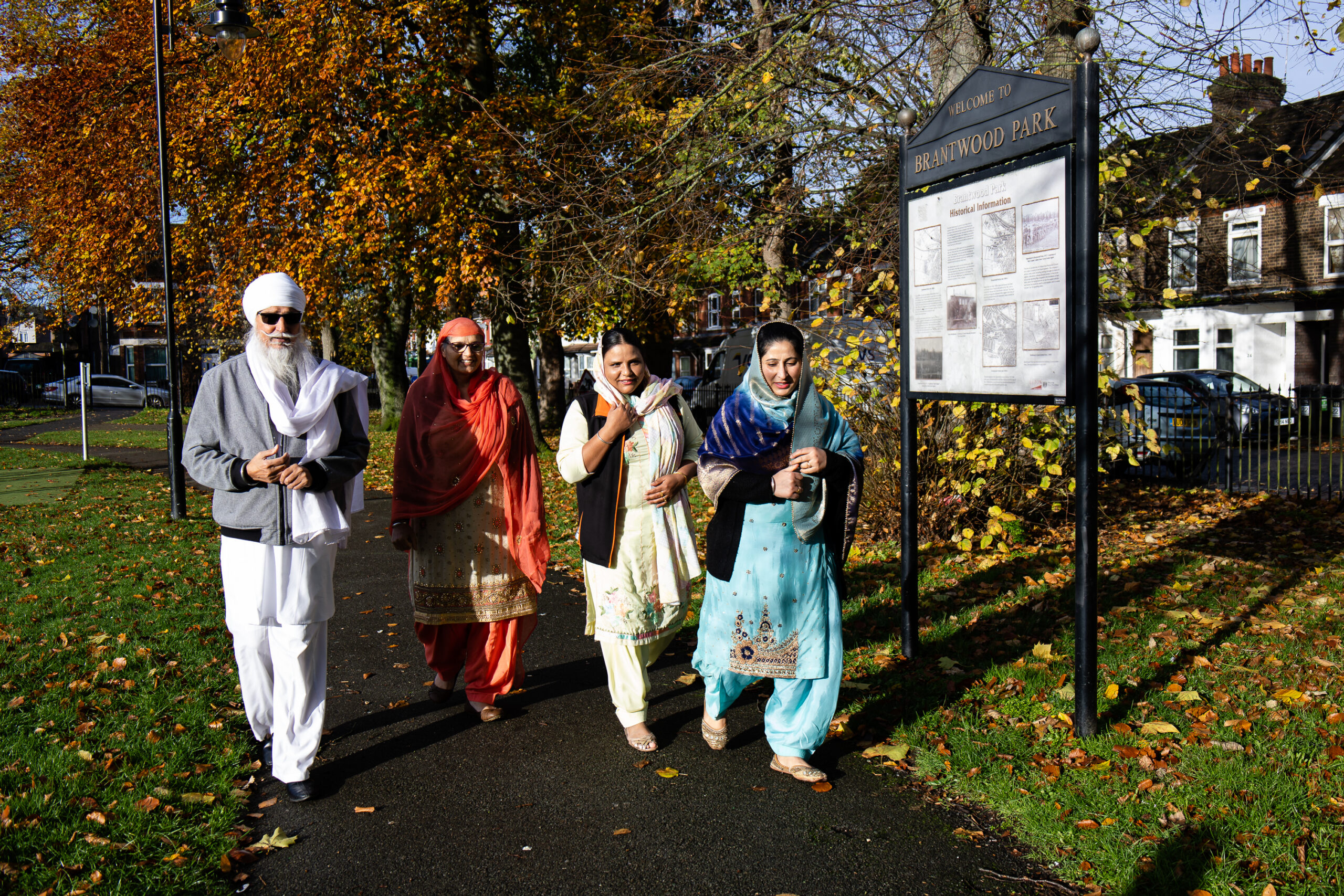
- Watch the award-winning video produced by Dadima’s intergenerational walking group.
- Explore the Countryside access guides and videos produced by Phab.
Sharp Shots Photo Club
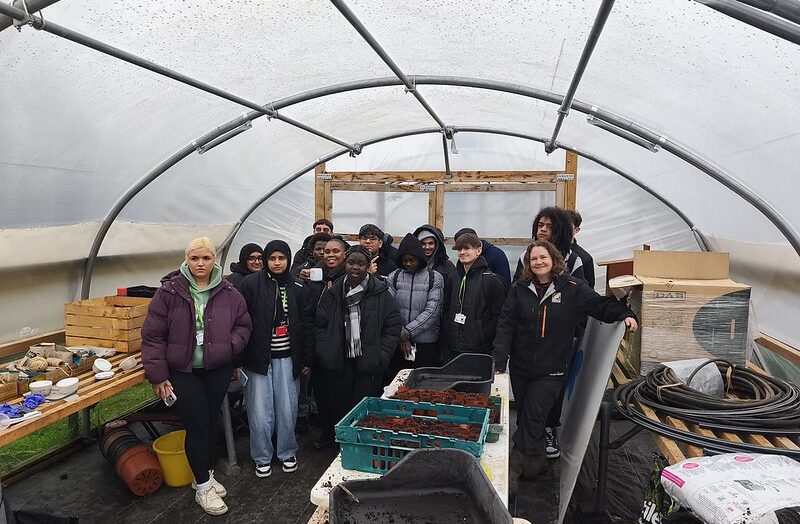
- We have commissioned Chiltern Rangers to co-create some videos with young people on work experience, sharing their experiences and encouraging other young people to get involved.
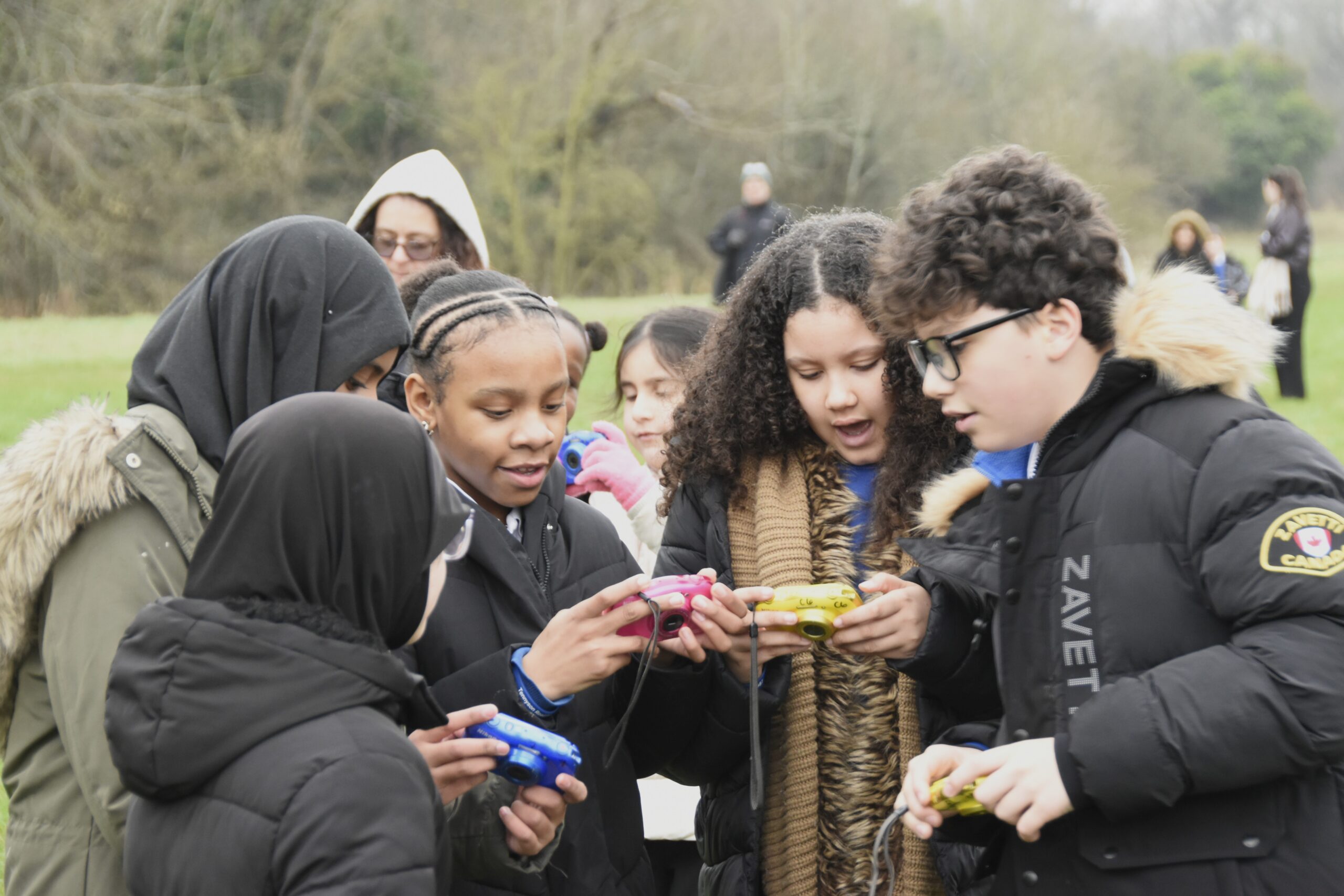
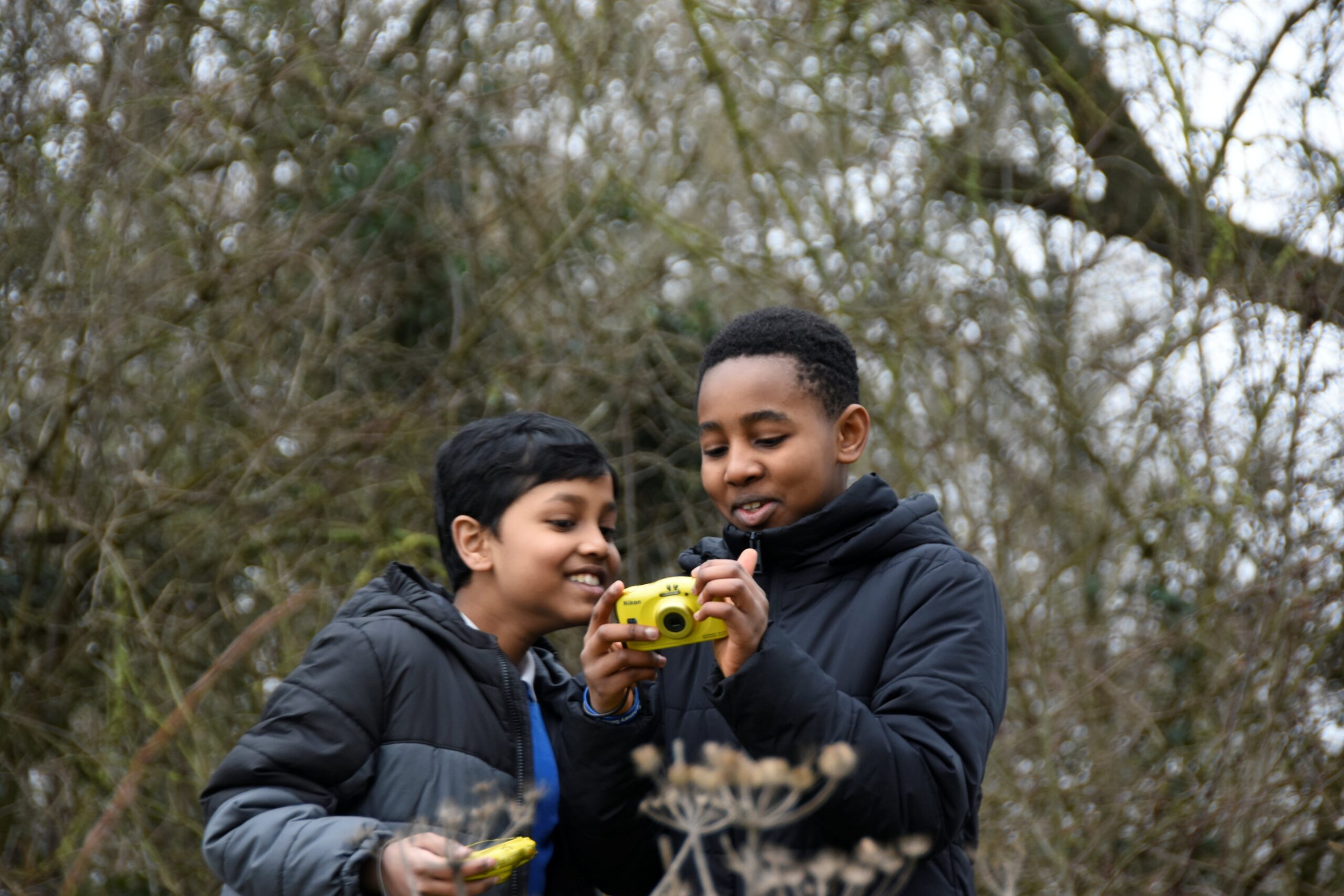
- We have funded some photo workshops for school groups delivered by Sharp Shots Photo Club and capturing their experiences of visiting the Chilterns.