


Tracking the Impact
If you are passionate about protecting wildlife, would like to carry out bird, butterfly or plant surveys in unexplored areas of the Chilterns, or want to improve your ID skills, then Tracking the Impact could be for you!
What is Tracking the Impact?
Tracking the Impact (TTI) is an exciting landscape-scale wildlife surveying programme running across the central Chilterns and River Chess catchment. It was established as part of the Chalk, Cherries and Chairs Landscape Partnership scheme (2018-2024), with generous further support from Rebel Restoration taking the project to the end of 2026.
The project uses existing national recording schemes as indicators of the broader condition of wildlife within the survey area. It incorporates the Breeding Bird Survey (BBS), Wider Countryside Butterfly Survey (WCBS) and National Plant Monitoring Scheme (NPMS). The aim is to undertake one of each activity in all 72 allocated 1 km by 1 km squares. Support from colleagues at the National Trust undertaking Breeding Bird and butterfly squares further increased the coverage, giving a total of 78 survey squares covered.
The data we gain from our surveys is now being analysed by our partnership organisations, including the British Trust for Ornithology (BTO), to track trends across the landscape over time and inform practical woodland, grassland and farmland habitat management.
We are now looking forward to our 2026 season with an exciting programme of training sessions. The sessions will be for both newcomers and existing surveyors who want to develop their skills further. We host social events at the beginning and end of the survey season, offering an opportunity to get together and share experiences.

Why should you get involved?
Learn new skills, benefit from a wide range of free training, and improve your knowledge of local birds, plants and butterflies. Join in with surveying and your work will be of vital importance – helping us to understand the state of nature at a local level and feeding into a wide range of national initiatives, including the Breeding Bird Survey, Wider Countryside Butterfly Survey and National Plant Monitoring Scheme.
How to get involved
Whether your interest is in birds, butterflies and/or plants, we offer exciting opportunities to:
- take on new survey squares and get involved in national recording schemes
- receive training in species ID and survey techniques
- offer training and support to new volunteer surveyors
By getting involved in the project, you will make a big difference to local wildlife in the Chilterns and contribute to national recording schemes. You will also get the chance to meet with other surveyors and get feedback on the project at regular workshops and events.

Five years of Tracking the Impact
Find out more about the first five years of the project and also of the fantastic work of the Central Chilterns Farmer Cluster in two recently published case studies. Showing the power of farmers and trained volunteer surveyors working together to support nature recovery on a landscape scale across the central Chilterns.


The results so far
We have seen some incredible results so far – in the first five years of the project, our team of volunteers has helped reach 75% coverage of our project area, and has amassed more than 20,000 records! All of the records for the survey squares have been entered onto our online interactive maps, so you can see for yourself what birds, butterfly and plants have been recorded and where.
In summary since 2020:
- 166/222 squares have been surveyed (75%) coverage
- 1,404 visits have been made
- 504 species have been recorded
- 20,341 records have been submitted
Identifying long-term trends
One of the long term objectives of the project is to build a dataset that helps us to look at and review the impact of the great work farmers and other landowners are doing to support wildlife. We are doing this by tracking the distribution and abundance of our bird, butterfly and plant populations year-on-year. By doing so, we hope to be able get a better idea of what’s happening across the landscape.
We can review the impact of our work by using Tracking the Impact records for key bird, butterfly and plant species that we feel are typical indicators of our grassland, woodland, river and farmed habitats. This can be useful information for farmers and other landowners who can adapt habitat management strategies according to the data.
Obtaining a reliable dataset that can really show trends will take more years of surveying. But, in the short term, we have pulled together maps of the key species, where they have been recorded, and how many have been recorded to help build a baseline. Data will be added to this analysis each year and, in time, we hope to spot patterns and identify trends.
Our interactive maps show the coverage and records for each of the three Tracking the Impact surveys (Breeding Birds Survey, Wider Countryside Butterfly Survey and National Plant Monitoring Scheme). Open up a map and choose a year (or aggregated across all five years), choose a square, zoom in to see details of the square or out to see landscape-scale coverage. Click on a square to get simple summary of species recorded in that square.
| TTI results - Plants | TTI results - Butterflies | TTI results - Birds |
We have also produced distribution and abundance maps for key species of birds, butterfly and plant habitats for each of the five years of the project. The maps are available to download below.

Yellowhammer (Emberiza citronella) / Roy McDonald
Yellowhammer in the Chilterns
Tracking the Impact draws on many different data sources to give the best picture of the state of wildlife in the area. Our trained bird surveyors returned data to our partners at the British Trust for Ornithology (BTO) who have produced species specific trend graphs for each species. For most species it is too early to draw firm trend analysis.
One species, Yellowhammer, got us all very excited.
Yellowhammer is a Red Listed Bird of Conservation Concern and one of our most threatened farmland species. Tracking the Impact bird survey data has shown a positive upward trend over the last five years.
This upward trend compares to a long term sustained decline on Yellowhammer population on both a national and regional level.
BTO licensed volunteers from the Hughenden Ringing Group have been carrying out a bird ringing study on farms in the Central Chilterns Farmer Cluster and the results have shown not only an increase in the number of Yellowhammer ringed but also the percentage of first winter young birds.
Further analysis of the data by BTO has confirmed a statistically significant increase in the local population of c. 40/50%. Amazing results that highlight the power of volunteer generated data via Tracking the Impact working alongside farmers who are actively managing the land on a landscape scale for farmland birds.

Online training for citizen scientists
We provide a number of informative online training sessions. These should give you a sense of the range of experts and enthusiasts we have feeding into our group of around 200 volunteers, and the great knowledge sharing opportunities offered by our regular meet ups and WhatsApp group.
Below is a playlist of our most recent training sessions. Click the three horizontal lines on the top right to browse the playlist.
Our partner organisations
|
|
 |
|
 |
|
|
 |
 |
|
 |
 |
|
|
|
|
|
 |


Volunteering Hub
Find out more about volunteering in the Chilterns – indoor, outdoor, practical or desk based there’s something for everyone, whatever age or stage! Use our interactive Volunteering Hub to find the perfect opportunity for you.
River Chess Smarter Water Catchment
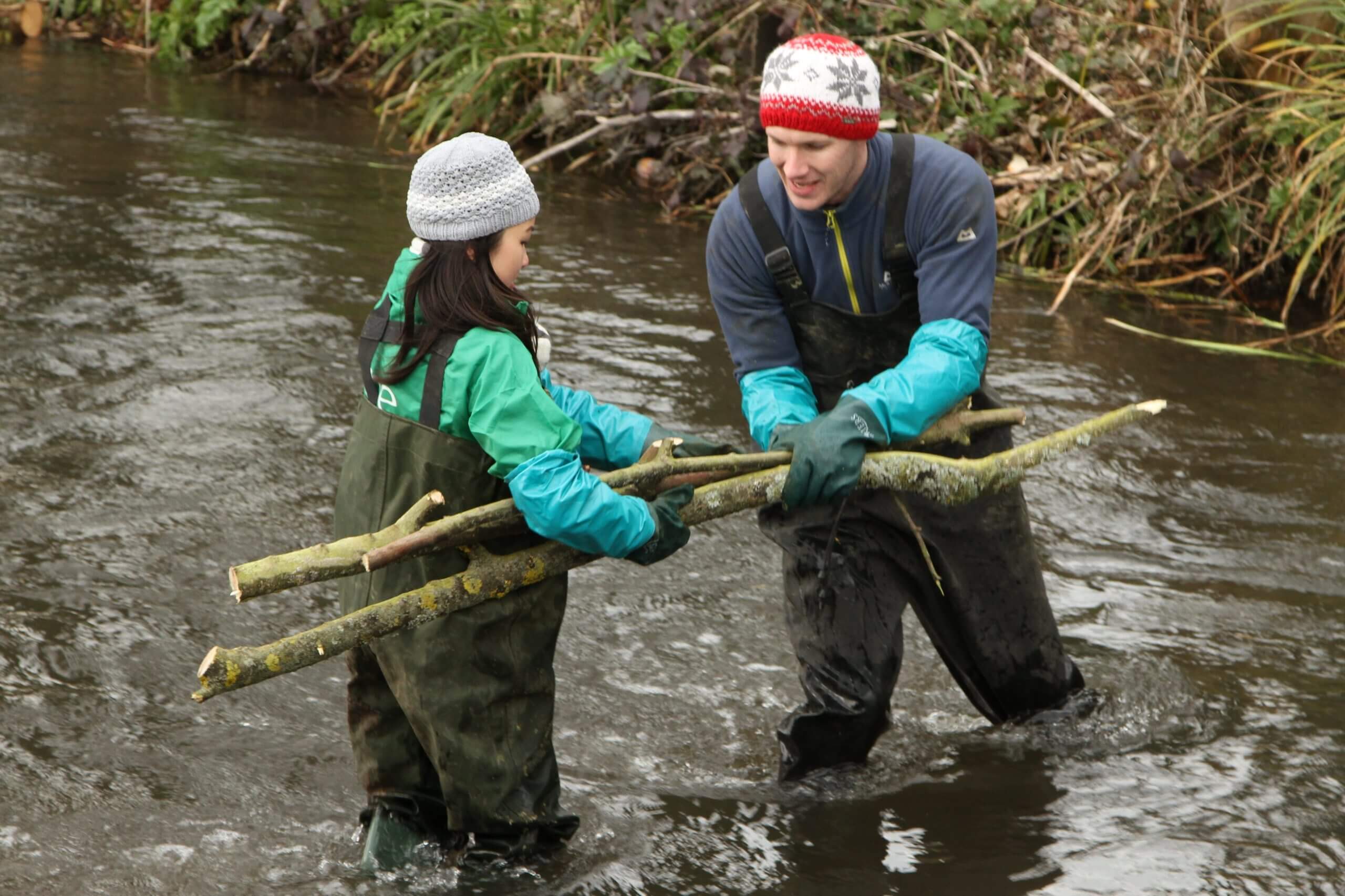
The River Chess Smarter Water Catchment project is tackling the issues that face the river and its catchment through partnership working.
Farmer Clusters
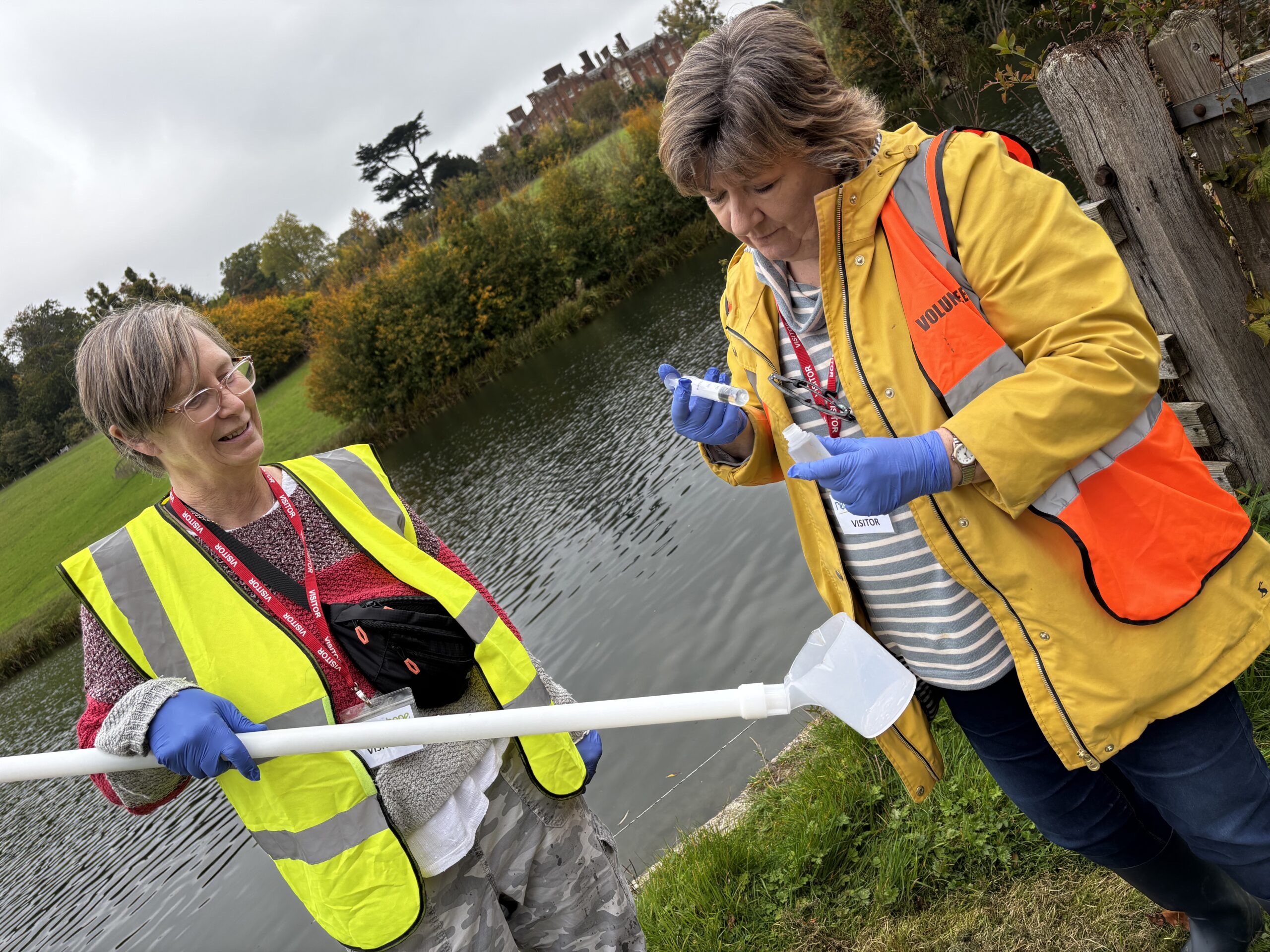
Our farmer clusters are proactive groups of farmers who come together to farm with wildlife and climate change in mind.
