CCC Next Generation
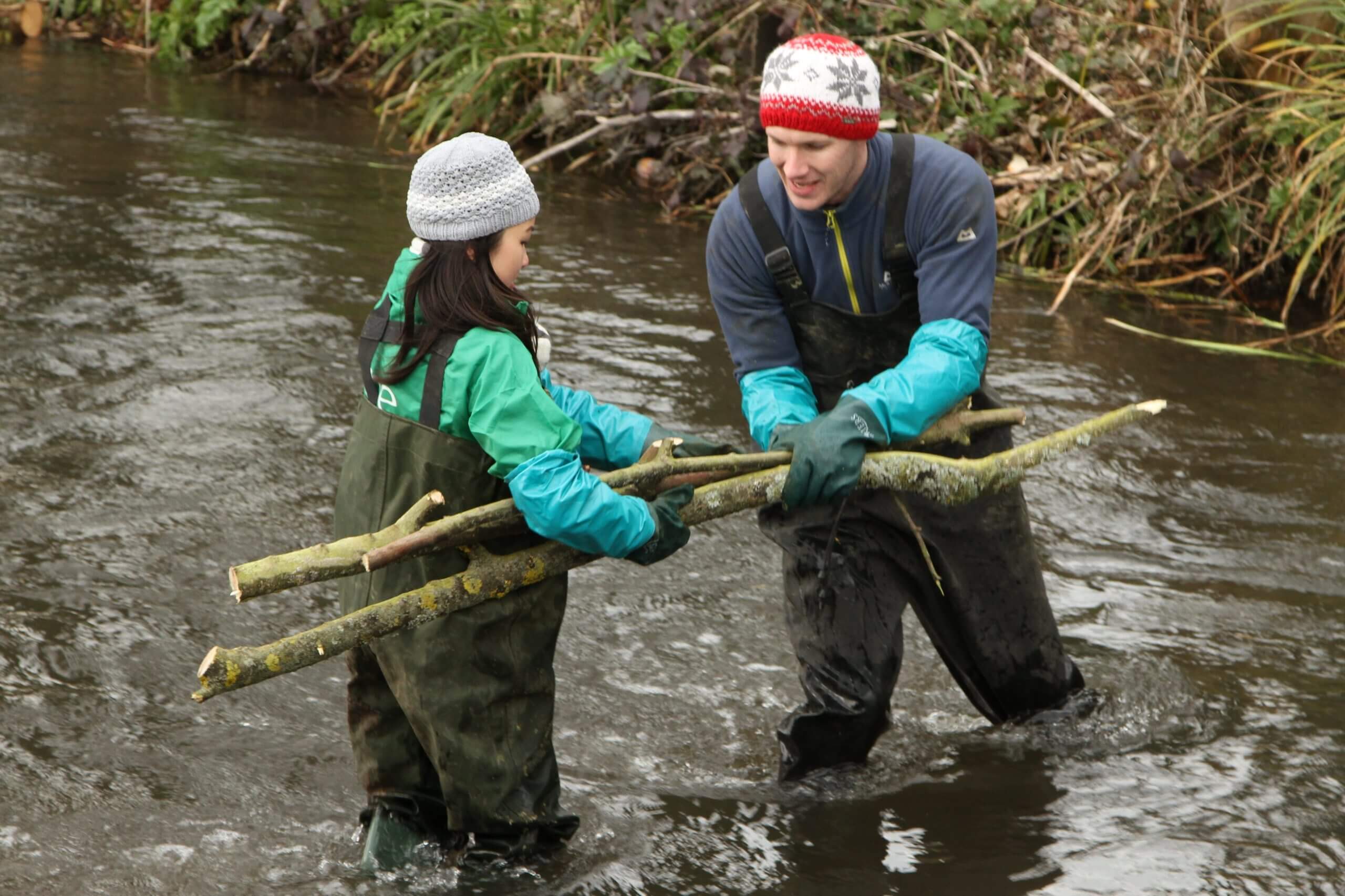
Following on from the success of the Chalk, Cherries and Chairs Landscape Partnership, which ended in November 2024, the Next Generation project continued until November 2025. This project, funded by the National Lottery Heritage Fund using a small amount of underspend from the main scheme, aimed to explore and develop new ways of working with young people across the nature and heritage sectors, and has delivered some impactful results.
The project planned to build on work done in the latter stages of Chalk, Cherries and Chairs (CCC) by arts consultancy INSTAR, which investigated how young people in and around High Wycombe felt about their local landscape and how they want to interact with it. These findings, along with expertise from partners and other contacts, were to be explored further and used to test and trial some new approaches to engaging more and new young people in heritage and nature activities. The aim was to encourage others, both in and out of the partnership, to improve the way they develop and promote sessions for young people for the better, as well as further understand what resources this takes for an organisation to do well.
Neil Marshment Photography
For the first few months of the project, the partners worked with consultant Trish from INSTAR, and the Project Manager, to explore ideas and new ways of working. This then led to the delivery phase. During the spring and summer of 2025, partners worked with youth organisations and young people to develop and test out new approaches, aiming to build this into their offering for young people. This resulted in some fantastic activity and a huge amount of learning that the partnership came together to reflect on in September 2025, before sharing everything in a public webinar in October 2025.
Sharing our learning
Recognising that many organisations across all sectors struggle to know how best to work with young people, a key part of the project was to share what the partners learned:
- Read a summary of what was learned across the five key themes: CCC Next Generation Project key themes and learning.
- In October 2025, the team held an online sharing webinar for those interested in working with young people across the heritage and nature sectors.
- Watch the playback (1.5 hours): CCC Next Generation webinar
- Read the slides and Q&A between the audience and delivery team: CCC Next Generation webinar Q&A
- Read the final report detailing everything the partners have done, the things they learned, themes that have come out of the project, reflections from the team, and what comes next: CCC Next Generation Project – Final Report.
Read on down the page to learn more about each of the projects, as well as next steps for each of the partners – all of whom plan to continue this work well into the future.
For any enquiries about the projects, please contact Anna Foster, Project Manager, anna@adfconsultancy.co.uk.
Next Generation Approach – Chilterns National Landscape
After discussions with the rest of the partnership and internally, Annette Weiss (Head of Engagement and Partnerships) decided to work on an “approach” to the Chilterns National Landscape’s work with young people, setting out their strategic approach priorities and objectives.
Producing this plan was set as a strategic priority in the organisation’s EDI Ambition and 2025-26 work plan, and this was something the partnership welcomed. This resulted in a document, Chilterns National Landscape Youth Engagement Approach November 2025, that pools together existing learnings, insights from partners, other organisations, and the Chilterns National Landscape EDI Task Group, as well as pilot activity. Read the full report (above) for more on what the Chilterns National Landscape learned through this project.
What next?
- Create a dedicated area on the Chilterns National Landscape website for youth volunteering, work experience and traineeships.
- Support partners with testing skills-based approaches to volunteering/work experience, e.g. Skills Builder. Share learnings from new approaches currently being piloted.
- Put out engaging comms, videos, blogs and podcasts created and co-created by young people.
- Develop strategic partnerships – Youth Voice Bucks, Education Business Partnership etc.
- Tap into national sources of expertise and opportunities e.g. National Parks New Perspectives project, Kids in Museums young trustees programme. Ensure youth expertise on EDI Task Group.
- Include youth engagement in new projects/opportunities (Nature Recovery, Landscape Connections).
- Continue Next Generation project’s legacy – share learnings, signpost to resources, seek collaborative opportunities.
Youth Voice, Your Way – Berks, Bucks and Oxon Wildlife Trust (BBOWT)
Around the time the project started, BBOWT started to use a Community Organising Framework internally, and, as such, decided to take on a “listening” approach through this project. The thinking behind this was that people are more likely to take action where there is a self interest, where it directly benefits them, rather than being something they do “because it’s good for nature or the planet”.
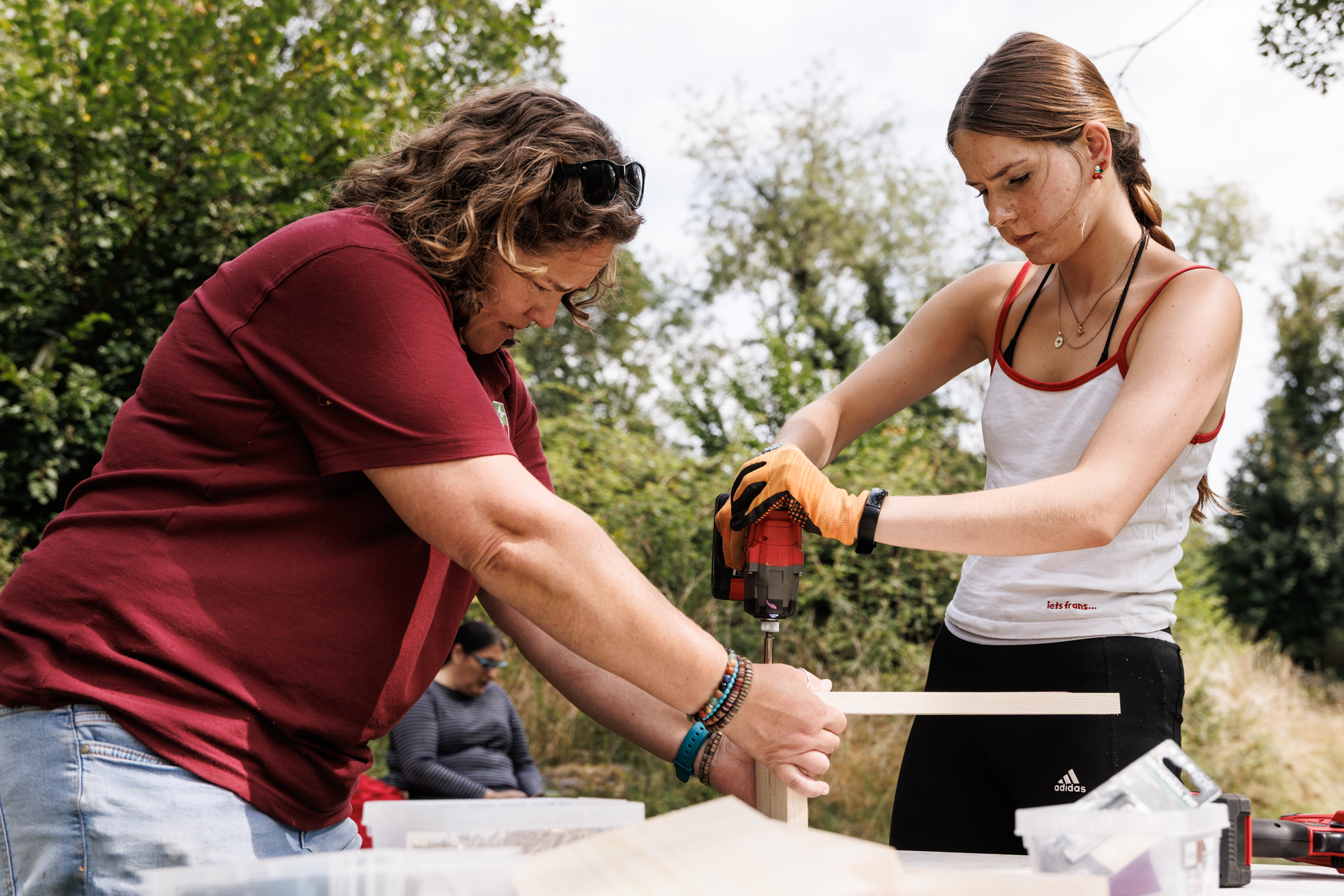
Becky Downey (Community Organising Manager) held 14 listening exercises with 67 young people over several months. She worked with partners to share connections and ran sessions with youth groups, college groups, teen ranger groups and Amersham Museum’s young curator group. The conversations had were with young people ranging from 9-25 years old.
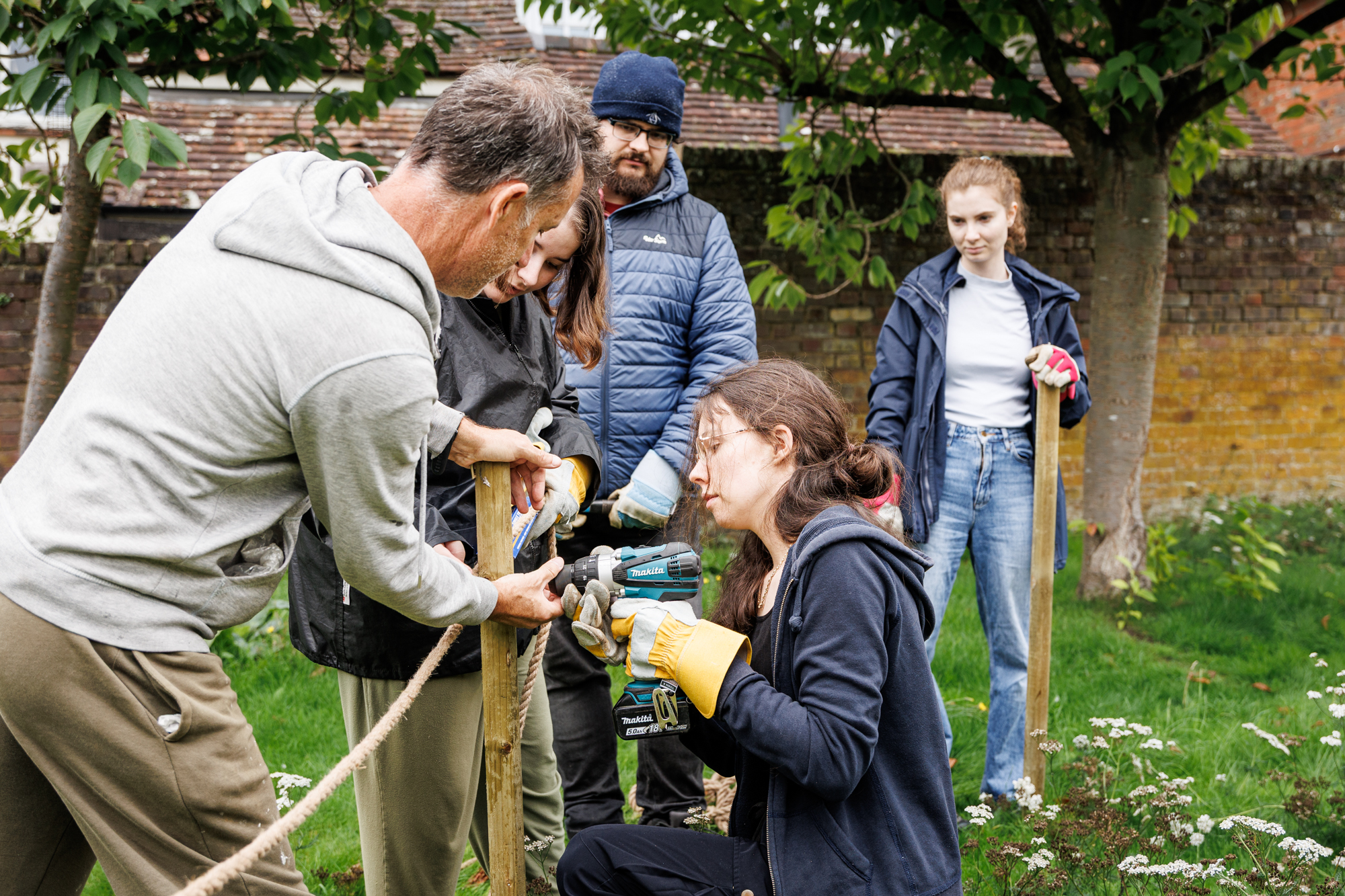
Some meetings were held as “House Meetings” – this is where there is a nominated chairperson, minute taker and timekeeper. Open questions are posed to the group and it’s the chairperson’s job to ensure everyone gets a chance to speak. Some meetings were conducted in small groups where the participants had an activity to do e.g. drilling holes into wood to make bee hotels.
Using all the content of the listening exercises, Becky conducted a thematic analysis to determine the key themes:
- Young people find nature relaxing,
- There is a disconnect with nature and wildlife,
- There is a general fear of the unknown and desire for safety in young people,
- There is a lack of opportunities within nature spaces,
- Young people want to see more thrilling activities in their area,
- Young people have a sense of pride in their area,
- Council and money is perceived as one of the biggest barriers to areas being ideal,
- Laziness is thought to be a barrier to ideal areas,
- Some view social media as having negative impact.
Read the full report (above) for more on what BBOWT learned through this project.
What next?
- The themes and information collated from listening will directly feed into the new Youth Advisory Panel work that is ongoing within BBOWT, so that young people have a voice within the governance of the organisation.
- BBOWT has new contacts – the team will continue working with these groups and individuals to build a power base within the area and communities they worked in, by connecting, organising and strategically taking action to get changes they seek and within that take meaningful action for nature.
- BBOWT will get better at explaining the community organising process to partners and others they are working with, to ensure cohesive collaboration and understanding from the start.
Bring it Back – Amersham Museum
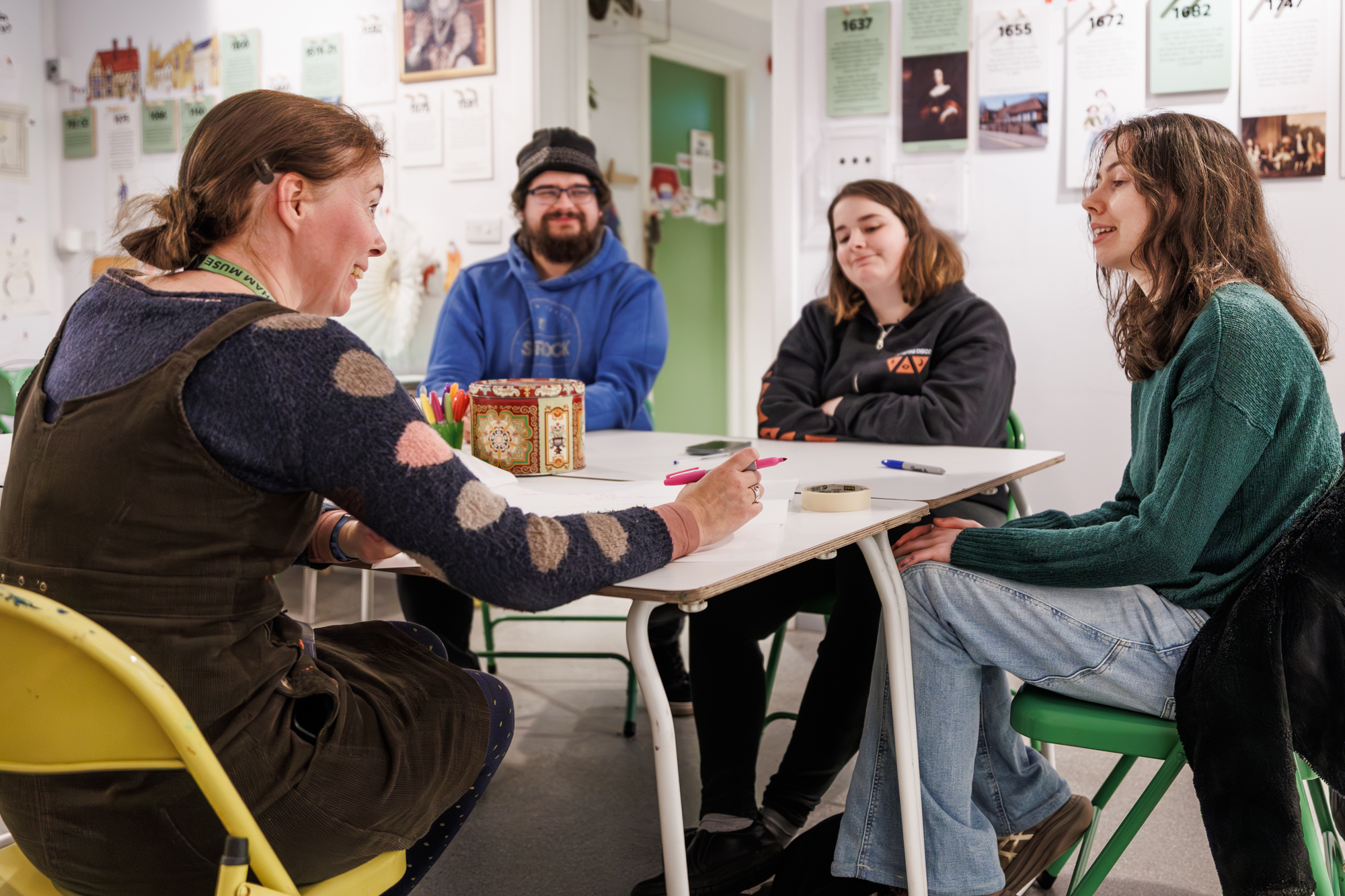
The Amersham Museum team identified a distinct group of young people around them – returners – primarily those aged over 21, returning from university to their local area, and often feeling a little lost and not so connected with their community.
The museum aimed to engage this unrepresented group of young people (aged 18-25-ish) with Amersham Museum, but more importantly to provide them with a sense of place and belonging at a time in their lives where they might be feeling unsure or isolated.
Briony Hudson (Director of Amersham Museum) took swift action to develop the bones of a new project – working with very active local conservation group Wild Amersham (led by volunteer Marieke Bosman), with a geographical focus on the area surrounding the local parish church. The project was promoted as high energy, a burst of action centred on exploring hidden wildlife, investigating the past, rediscovering a town space, and making a real impact.
To get started, Briony leveraged the museum’s existing relationship with Wild Amersham, and engaged with existing contacts with the target age group including museum volunteers, freelancers, and family and friends of museum volunteers and supporters. The local churchyard (St Mary’s, Amersham) was known to Wild Amersham, and was ripe for collaboration, being so close to the museum, a focal point of the town, and an area of land with lots of potential for increasing biodiversity and engaging with the local community. There were some practicalities to sort out, involving meetings with the Rector and Amersham Town Council (who manage the site on behalf of the church), promotion, and eventually a launch session with representatives from all partners in the churchyard.
Young people have shaped the programme itself, both in terms of name (they decided on ‘Bring it Back’ having ditched the idea the partners came up with, which was the very idea!), topics for sessions, plans for action, and how they might share their findings. As a result they have made a great start on uncovering forgotten history, boosting local biodiversity, and bringing fresh life to spaces, all while learning new skills and making connections with local people and places.
During the project delivery period, 15 sessions were held at the churchyard, museum and around Amersham. Eight involved invited speakers/experts on topics ranging from graveyard archaeology to bats and botany. Over this period, there were 13 expressions of interest from participants, which led to 11 participants who have attended more than one session. The church and Amersham Town Council were kept engaged throughout. Read the full report (above) for more on what Amersham Museum learned through this project.
What next?
- Based on the participants’ requests, the initiative has stopped being a “project”, with the connotations of short-term defined activity, and is now a “group” with the aim of longevity and ongoing support from the host organisations.
- A programme of sessions running through the rest of 2025 and into 2026 is planned with more expert input, alongside practical planting and installing of measures to improve biodiversity.
- Plans to upkeep and monitor the interventions for nature are in place, working with the church and council.
- The focus of the upcoming winter sessions is sharing what the group is up to via signage in the churchyard, through church and council communication channels, and considering the potential for podcast/audio outputs, guided walks, schools and university talks/activities, and social media.
Building Youth Connections – Wycombe Museum
Similar to other partners, Wycombe Museum has an offer for families and younger children but at the start of the project had a limited offer for teenagers – the museum was keen to fill the gap in their provision for young people, and their ambition was for young people in High Wycombe to feel ownership of Wycombe Museum and understand it’s a place for them. With a small staff team, resource is a constant constraint, and as such, Roz Currie (Director at Wycombe Museum) was aware that any offer put in place needed to be manageable, sustainable and become part of a core offer.
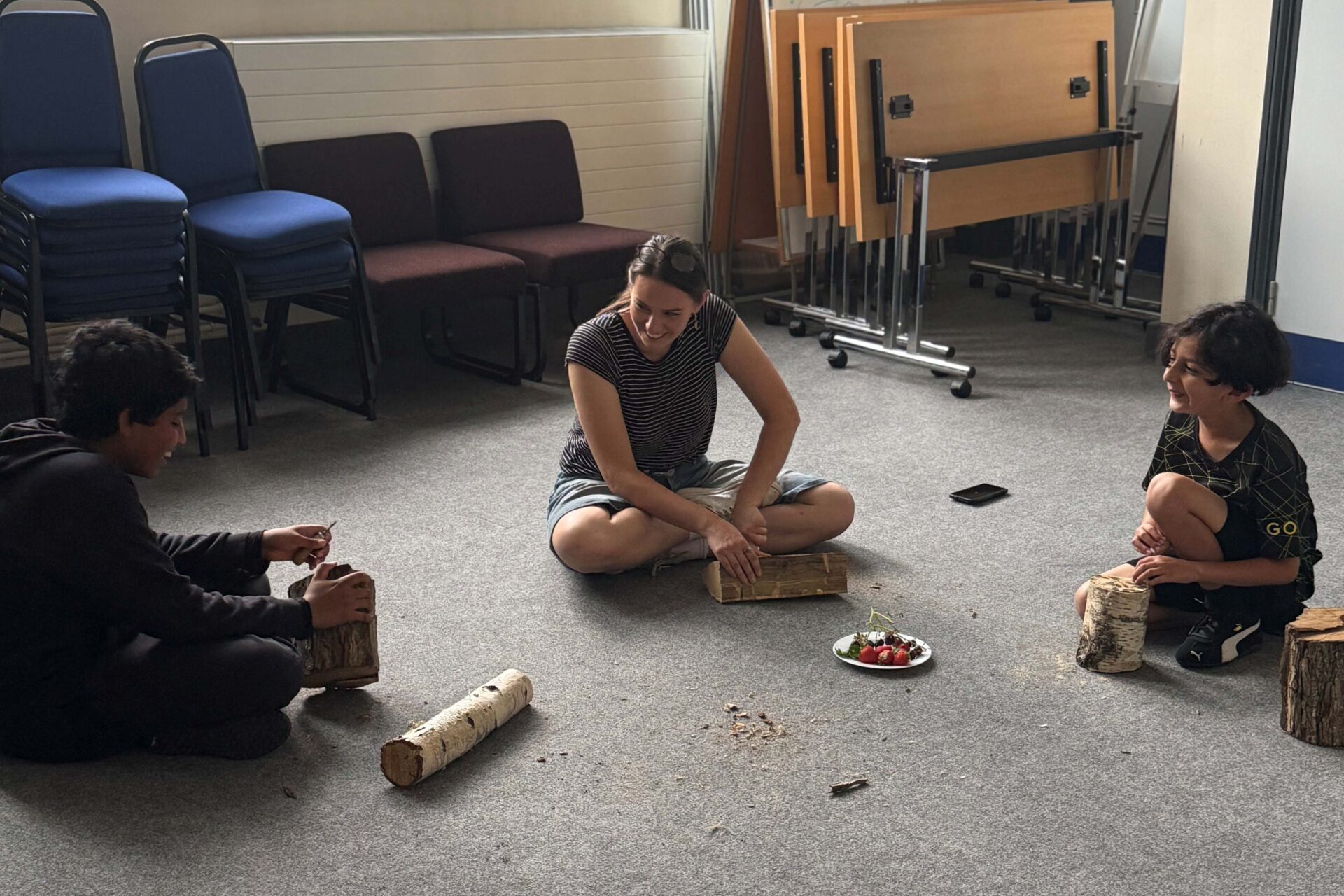
During the project, Roz and the small museum team undertook focused pilot projects to allow them to build new relationships with local youth providers, develop new models for sustained youth engagement and discover their blockers to this ambition. The goal for this project was to allow for future meaningful youth engagement – rather than creating one-off engagement opportunities.
Initial steps reviewed previous work and existing contacts, as well as a trial event with BBOWT and local youth organisations. Research undertaken by INSTAR also fed into the programme. Wycombe Museum is familiar to all local young people, but why would they want to connect, participate or engage with the museum?
Roz focused on a few key principles for this work with young people:
- Open/loosely structured sessions for young people with a focus on their place in High Wycombe and what matters to them through the lens of Wycombe Museum collections.
- Each session to have space for young people to follow their interest/needs and develop the work they wanted to undertake, while supporting them in engaging with the museum’s collections.
- Sessions to be iterative with learning from previous work fed in and allowing for development of the sessions.
Ultimately, several sessions were delivered, with different groups and types of young people aged between 11-19:
- Youth groups: the museum hosted Wycombe Youth Action for two evening sessions at the museum, exploring Wycombe’s story and young people’s part in it, and building their own guide to Wycombe Museum.
- Work experience: running two, week-long work experience sessions, each for two young people. Sessions included meeting and working with all staff and then developing a personal project and producing work for the museum – this was a new approach for the museum.
- Young volunteers: a new approach saw five new young volunteers aged 17-19 undertaking research projects around museum collections, paired projects looking at the museum itself and producing their own content for social media and the website, as well as reviewing current youth provision for the museum.
- Schools engagement: Pebblebrook School undertook two, week-long work experience sessions in the grounds and gardening, and Alfriston School took ownership of the museum’s Sensory Garden from April to July.
- Upcoming: still planned is a session with Wycombe Refugee Partnership, working with an artist, for young people newly arrived to High Wycombe.
Throughout all of these activities, Roz and the museum team listened to the young people they came into contact with, to further hone the offer. Read the full report (above) for more on what Wycombe Museum learned through this project.
What next?
- Youth groups: the museum will continue to work with the groups and hold sessions at the museum to support their connection with the museum’s stories.
- Young volunteers: the museum will develop a new project to begin to rethink a gallery at the museum, using their research work to display hidden objects.
- Youth online: the museum will finalise their future plans and make a new part of the website so it’s really clear how individuals can engage. Also to ensure that young people are visible as part of their work – they have some videos made by the young people.

Nature Unlocked – Chiltern Rangers
Despite already working with young people informally and through local schools, Steph Rodgers (Senior Ranger) was keen to establish stronger relationships and greater connectivity with local youth providers in the area, work with new partners, as well as trial “new to them” ways of working with young people. Many things were delivered:
- A survey to young people, with 27 responses, letting Chiltern Rangers know what they thought about their sessions, as well as their attitudes to nature and the environment: Chiltern Rangers Nature Survey Young People.
- A survey to adults, with 34 responses, helping Chiltern Rangers understand how nature fits into the lives of young people and how they can unlock barriers to enable young people from all parts of the community to participate in activities: Chiltern Rangers Engaging the Next Generation Responses.
- Two practical sessions with a new partner – Bucks College Group Accelerate Programme for young people 16+ who haven’t yet met the Maths and English entry requirements for a course.
- One hands on conservation session with existing partner Mama Bee.
- One nature photography session with Neil Marshment/Wycombe Arts Centre – this was a new approach and attracted a completely different and new group of people, despite being advertised in the same way as all other sessions.
- One “Wild Tribe” session – again a new style session, more of a drop in forest school for teenagers, where they could pick and choose activities, based on feedback from young people. Unfortunately this didn’t get very much take up, but this could be due to a variety of factors.
- A “Campfire Conversations” session for 26 local youth group leaders, teachers and other adults from 15 organisations providing some fascinating insights into barriers, fears, motivations to working with young people in nature.
Read the full report (above) for more on what Chiltern Rangers learned through this project.
What next?
- Do more for young people, based on the feedback gathered.
- Speak to staff team for more of their thoughts and aspirations.
- Look to start (and find funding for) a regular nature youth group (forest school for teens) for 14 to 18 year olds.
Meet the team

Photos by Neil Marshment Photography.
Upcoming events
Find out what’s on in the Chilterns – walking or biking, food & drinks, serious trekking or a picnic on the flat – the possibilities are endless.
Volunteering Hub
Find out more about volunteering in the Chilterns – indoor, outdoor, practical or desk based there’s something for everyone, whatever age or stage! Use our interactive Volunteering Hub to find the perfect opportunity for you.