


Chilterns habitat restoration creates new opportunities for rare Duke of Burgundy butterfly
The Duke of Burgundy butterfly has been recorded in a newly restored habitat at Saunderton, demonstrating the success of efforts to reconnect patches of habitat across the Chilterns.
Funded through the Farming in Protected Landscapes (FiPL) programme and delivered in partnership with the Chiltern Rangers, work at Long Orchard focused on creating a mosaic of chalk grassland and scrub habitat capable of supporting a wide range of wildlife, particularly the Duke of Burgundy butterfly, a species with very specific habitat requirements.
The Chiltern Rangers supplied plants from their in-house nursery, while volunteers carried out clearance work and planting. Smaller scrub belts were established along the eastern edge of the site, alongside cowslip and primrose, key foodplants for the Duke of Burgundy butterfly.
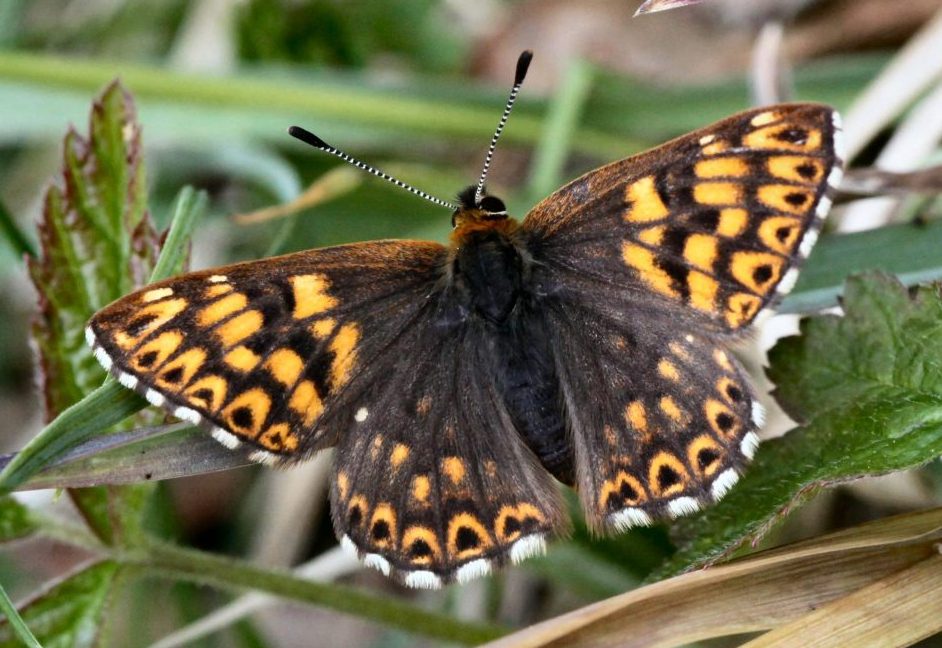
There have been sightings of the Duke of Burgundy butterfly at Long Orchard.
Just two years after the work was completed, volunteers taking part in the Tracking the Impact wildlife surveying programme recorded Duke of Burgundy butterflies using the site. The sightings suggest the species has recolonised from a neighbouring around 400 metres away, a significant achievement for a butterfly that typically remains highly localised.
The project demonstrates the importance of restoring and linking habitats across the landscape, helping species move through the countryside and access the natural resources they need to thrive.
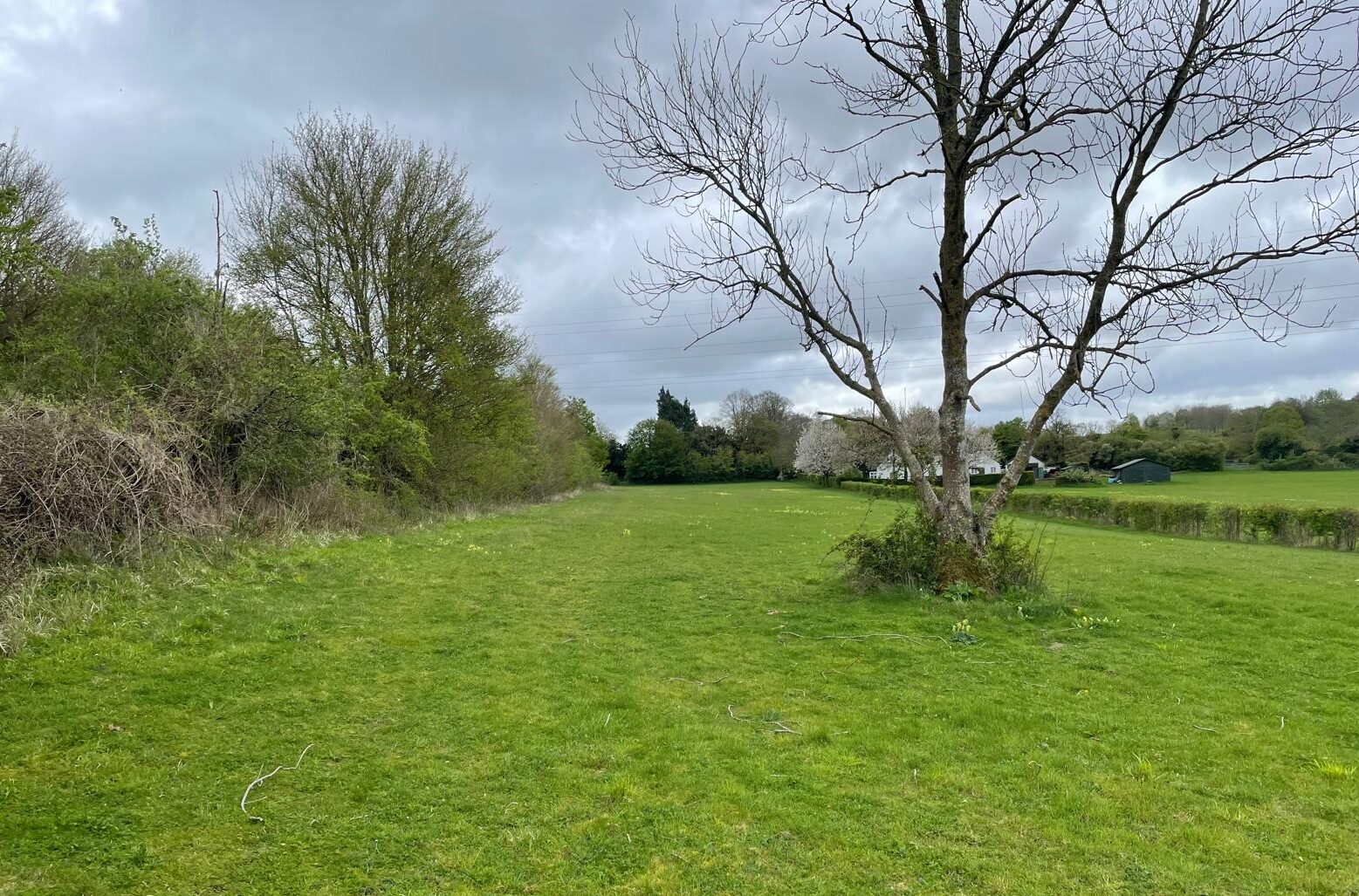
Long Orchard site before habitat restoration work begins.
And the benefits extend beyond butterflies. The restored open scrub and species-rich grassland site also provides habitat for ground-nesting birds and specialist chalk grassland plants, including the Bee Orchid.
The project forms part of a wider programme of work led by the Chilterns National Landscape, bringing together local farmers and landowners to create, enhance and connect habitats at a landscape scale.
With support from volunteers through the Tracking the Impact project, birds, butterflies and plants are monitored across restored sites, helping to build a clearer picture of how wildlife is responding. The Duke of Burgundy’s arrival at Long Orchard is an encouraging example of how collaborative conservation efforts can help nature recover across the Chilterns.
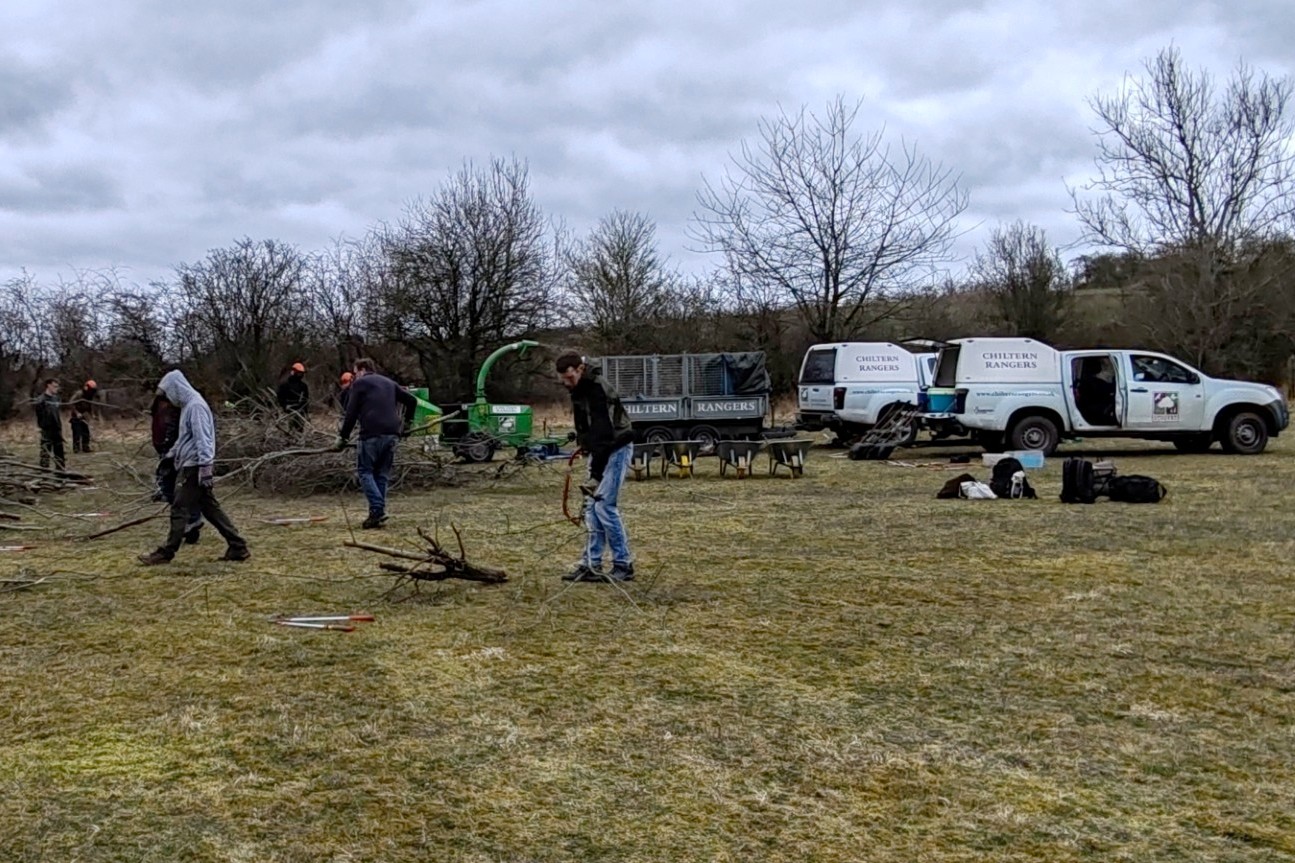
Chiltern Rangers volunteers clearing the site before planting scrub belts alongside cowslip and primrose.
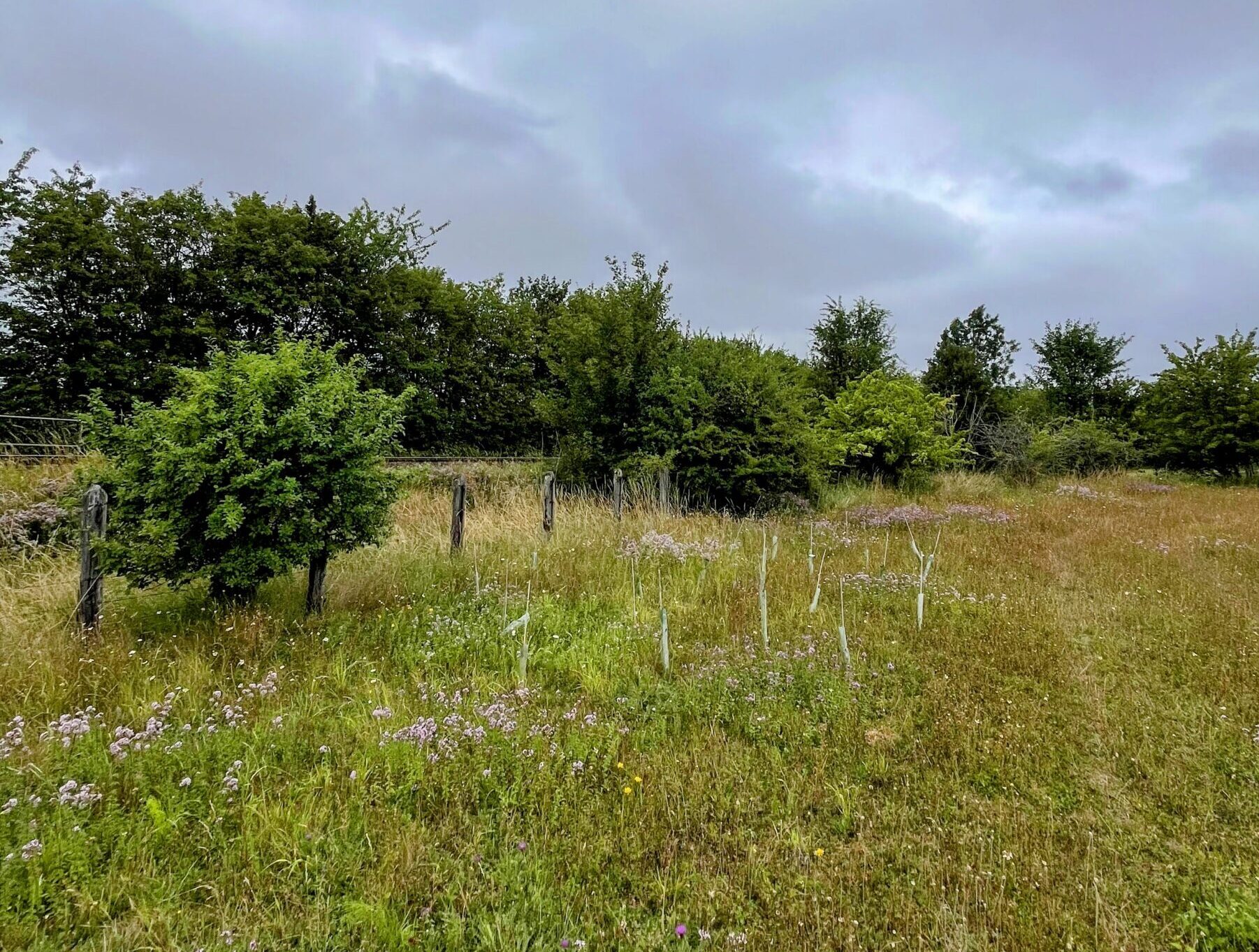
The mosaic of chalk grassland and scrub habitat planted to encourage Duke of Burgundy butterfly activity.
Related news

Exciting improvements coming to the Chess Valley Walk
Restoration works and access improvements along the Chess Valley Walk have begun to enhance the surrounding landscape for both people and wildlife.

13km of power lines disappear from the Chilterns National Landscape in a major undergrounding project
The Chilterns National Landscape is thrilled to welcome the completion of a £2 million project to remove over 13 km of overhead electricity lines from the Chess Valley area.

A greener Hamble: seeing the benefits of river restoration in a summer of drought
During one of the driest summers in recent years, we're getting a striking glimpse of how the restored landscape is responding.