


Rare Roman hoard unearthed in the Chilterns after nearly 2,000 years
Archaeologists have uncovered a rare Roman hoard in the Chilterns after it lay buried for nearly 2,000 years.
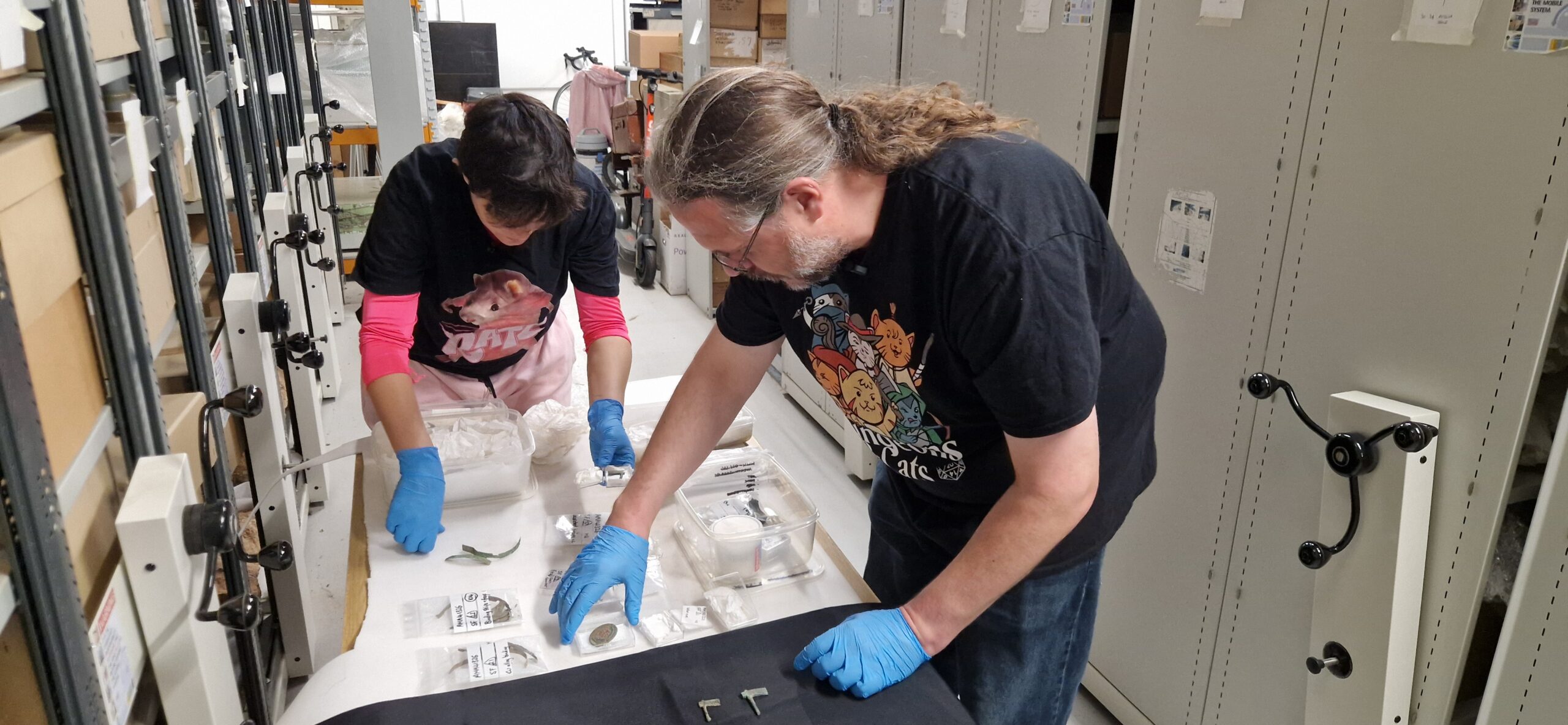
While searching with the landowner’s permission in Buckinghamshire, metal detectorist Adam McLelland uncovered the objects and contacted the national Portable Antiquities Scheme to record the find, allowing archaeologists to carefully excavate and record the site.
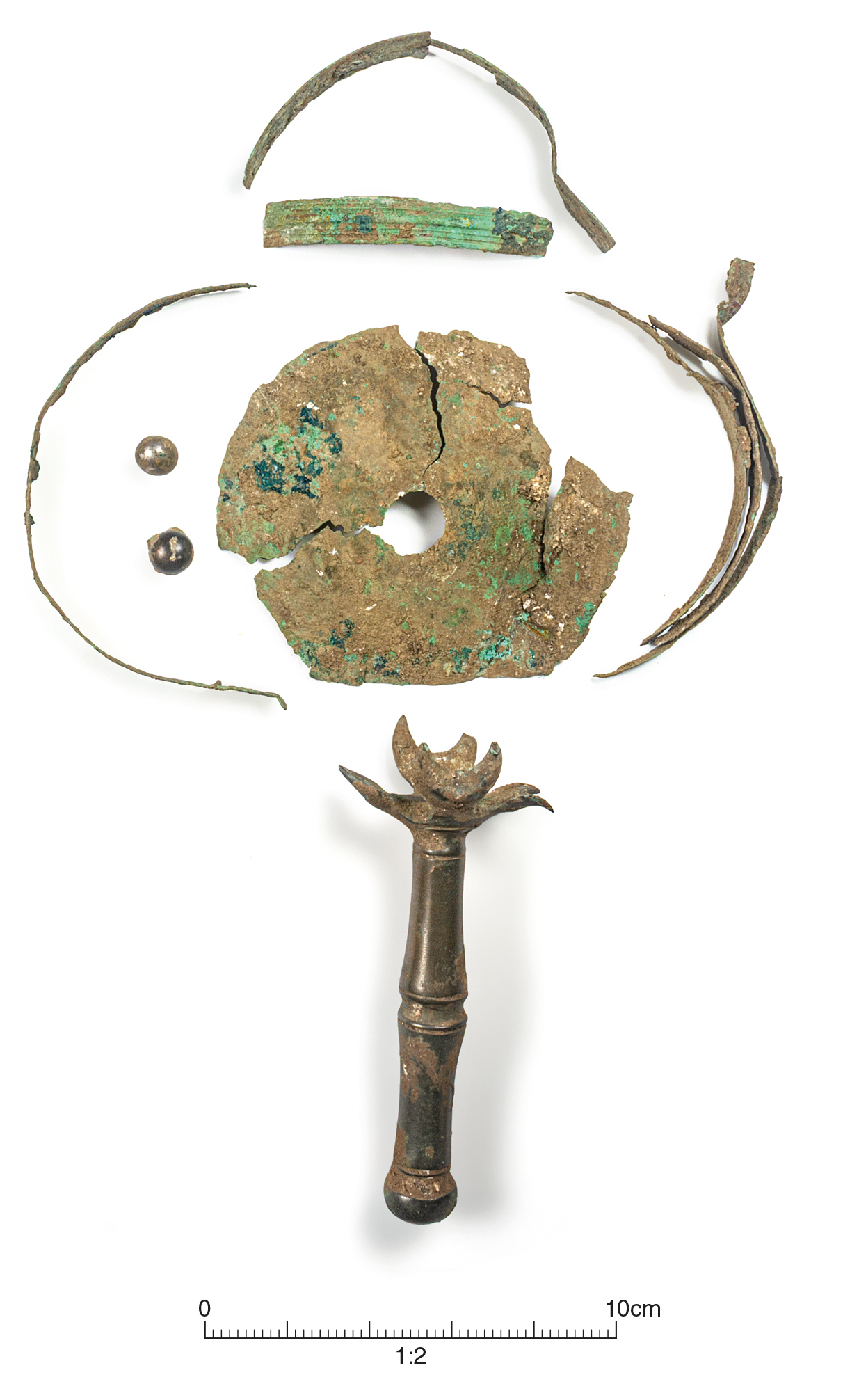
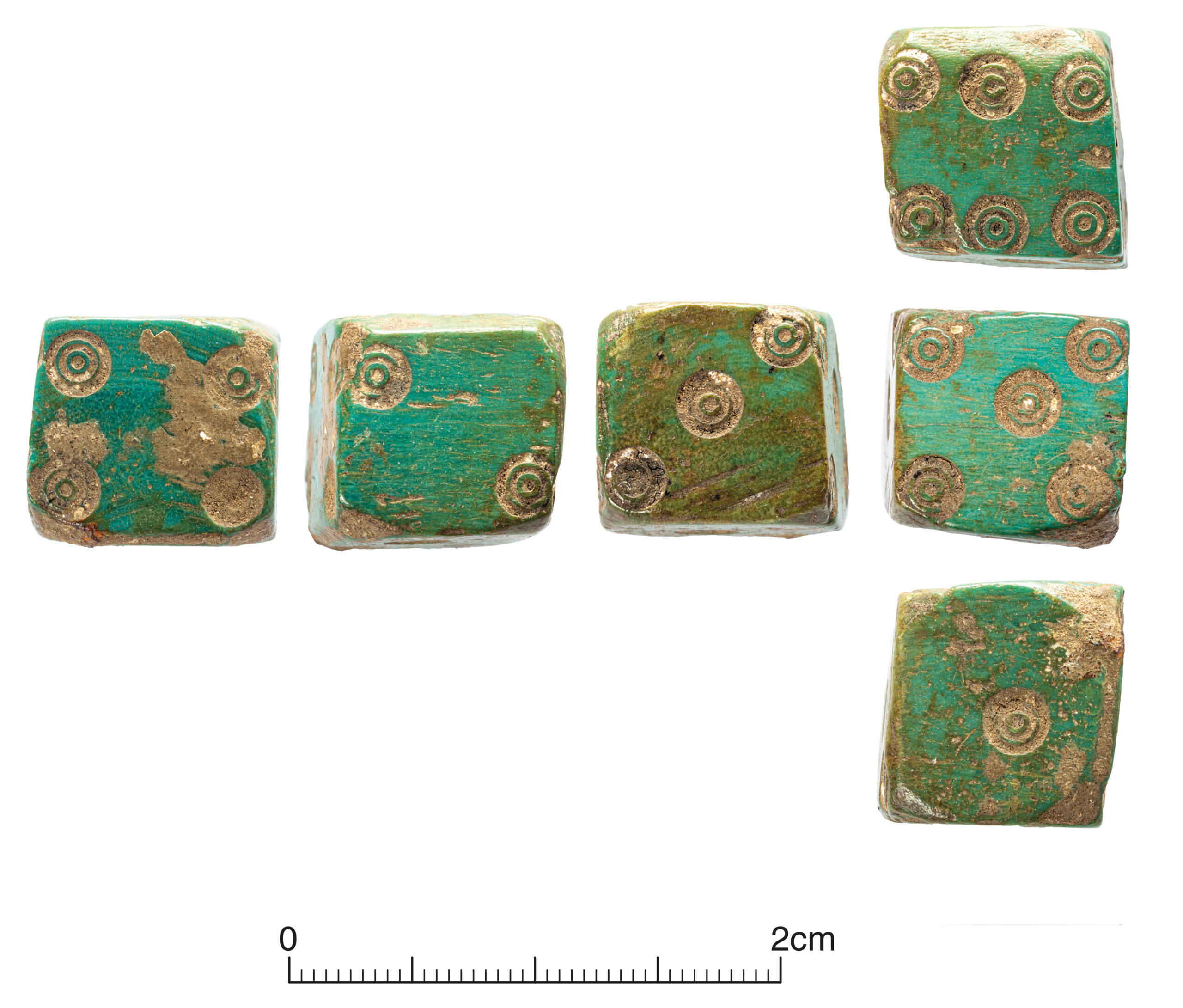
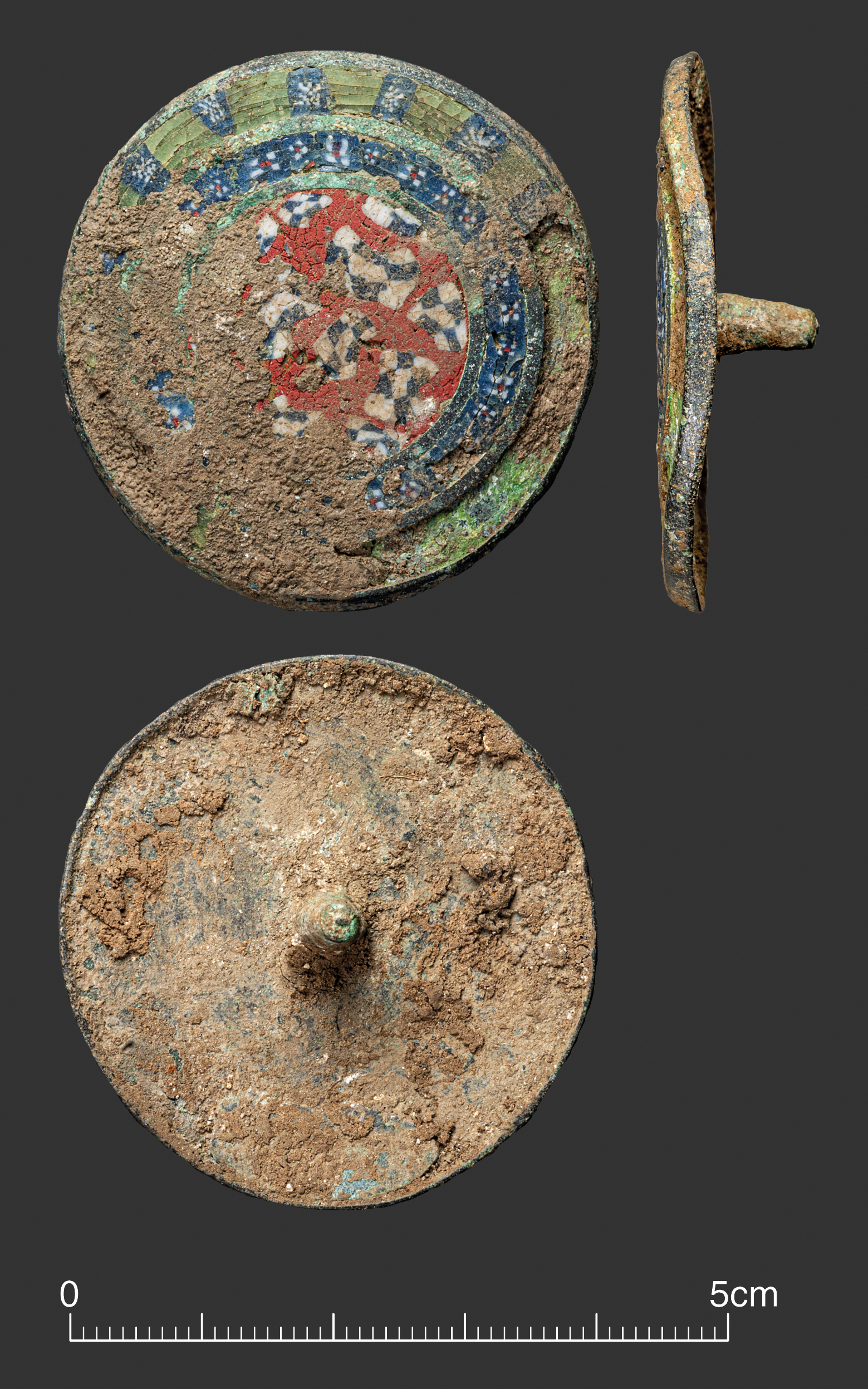
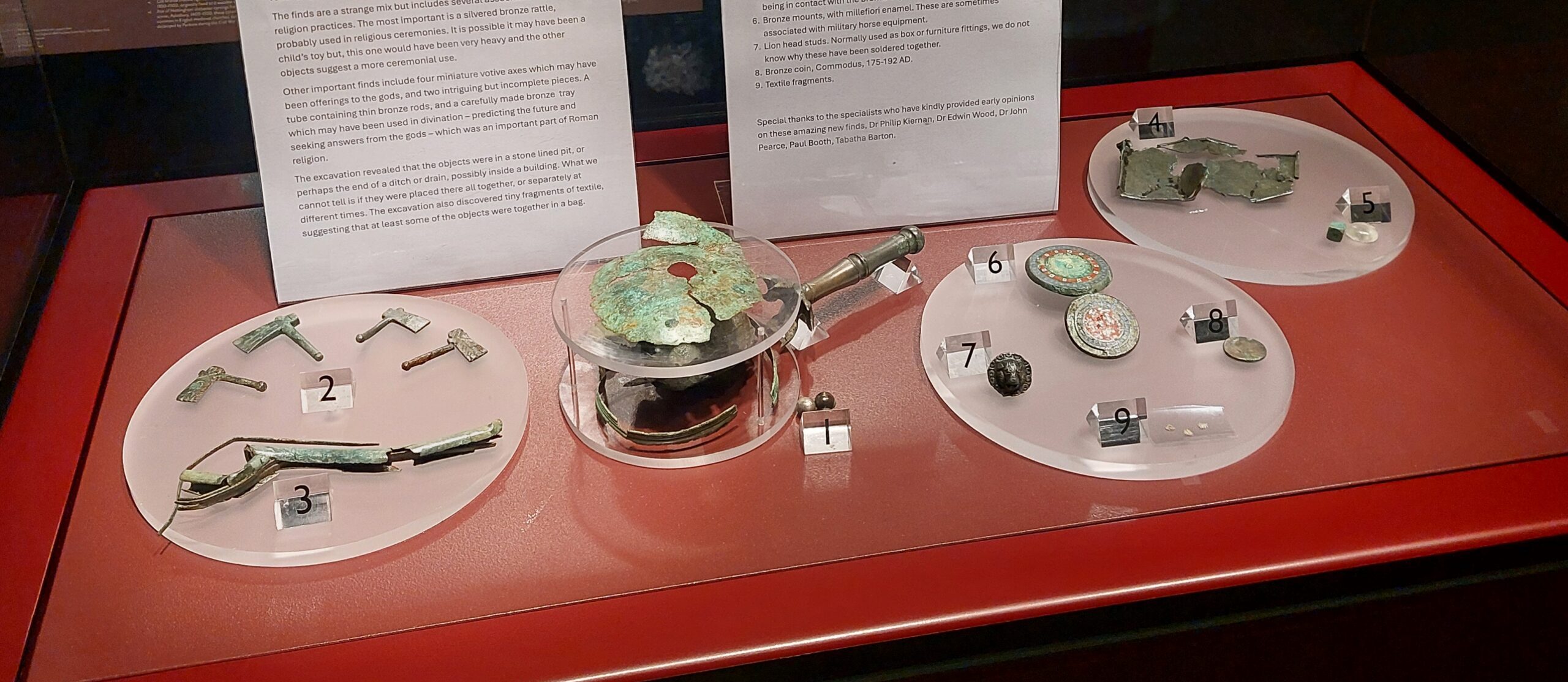
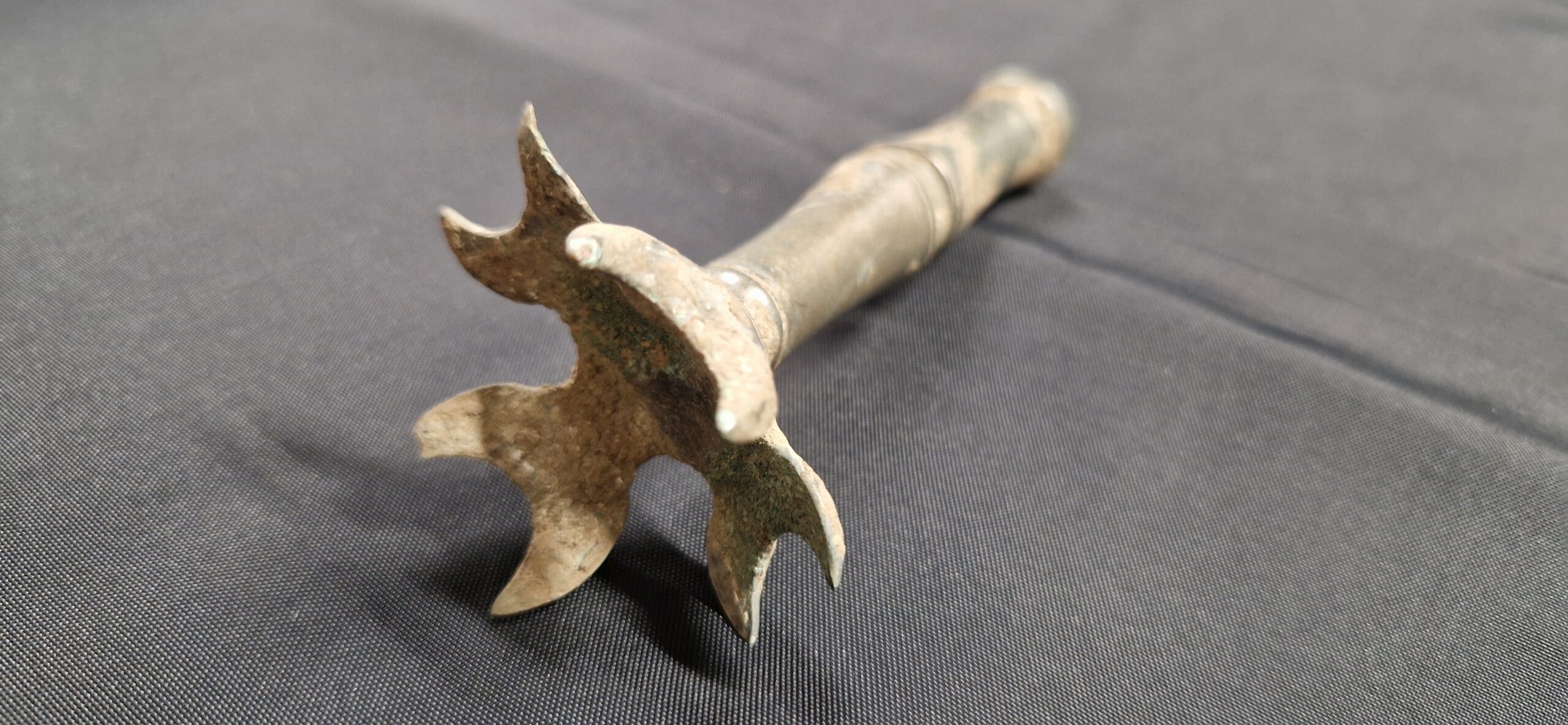
The excavation uncovered two enamelled mounts, a glass gaming counter, a bone die, several other bronze objects and pieces of an ornate bronze rattle. Roman rattles are thought to have been used in religious ceremonies, and very few examples have ever been found in Britain, making the discovery particularly significant.
The combination of gaming pieces, decorative fittings and ceremonial objects offers a rare insight into both everyday life and religious practice in Roman Britain. By excavating the find professionally rather than simply recovering the artefacts, archaeologists were also able to preserve valuable information about how the objects were deposited.
Mr McLelland and the landowner later donated the hoard to Discover Bucks Museum, where the artefacts have been conserved with funding from a private donor and are now on public display.
Although she was not involved in the discovery, Dr Wendy Morrison, director of the Chilterns Heritage and Archaeology Partnership, praised the collaborative approach between the detectorist, archaeologists and museum staff.
“A significant set of artefacts from the Roman Chilterns, these objects can tell us so much more by having been carefully excavated by specialists,” she said.
“Congratulations to all involved – this is the gold standard of how detecting should work.”
Metal detecting in the Chilterns requires the landowner’s permission and is prohibited on Scheduled Monuments, where it is a prosecutable offence. Detectorists are encouraged to report archaeological discoveries to their local Finds Liaison Officer through the Portable Antiquities Scheme so they can be properly recorded and, where appropriate, investigated.
Reporting archaeological finds
Buckinghamshire: ajames@buckscountymuseum.org
Hertfordshire and Bedfordshire: Matthew.Fittock@stalbans.gov.uk
Oxfordshire: edward.caswell@Oxfordshire.gov.uk
Related news

Spooky season in the Chilterns
Explore historic haunts, ghostly goings-on and autumn adventures across the Chilterns this Halloween.

Historic Ridgeway Project secures £129,100 project extension
Historic England funding will expand conservation work along the Ridgeway National Trail.

Discover opportunities for young people across the Chilterns
Explore our new Opportunities for Young People pages and discover how to get involved in the Chilterns National Landscape.
Beacons of the Past
Beacons of the Past ran from 2018-2023, bringing Chilterns’ hillforts into the spotlight. The project commissioned the largest high resolution LiDAR survey (laser scanning) ever flown for archaeology in the UK.

Hillforts of the Chilterns
The Chilterns has one of the largest concentrations of hillforts in the UK. Created for a variety of reasons, these mounds, ditches and remnants include a range of prehistoric enclosures that were an important part of Iron Age life. Many can still be seen in the landscape today.

Not Bourne Yesterday
Not Bourne Yesterday aims to reconnect communities with their local chalk streams, restoring both the rivers and landscapes they flow through.
