


18s to 25s
Upon turning 18, certain aspects like volunteering and being a trustee become easier, meaning there can be more opportunities for 18-25 year olds to get involved in nature and heritage in the Chilterns.
In the sections below, you can explore how you can access traineeships and placements, volunteering, citizen science, trusteeships, and more, and what benefits these can bring. Read also about how to get your voice heard in the sector, and find resources to point you in the right direction of finding volunteer and career options.
Traineeships, placements and apprenticeships
Defined as a flexible programme of learning and skills development, traineeships have a direct line to employment (although a job at the end is by no means guaranteed) and aim to provide those seeking a career in, or career change into conservation with a positive experience in the sector.
The training provider can tailor the programme to meet the needs of the individual, helping them to progress and enhance their skills. The provider of the traineeship is responsible for the overall delivery and quality of the traineeship.
Unfortunately there are very few of traineeships in the Chilterns, and they are not always paid, but this is an area which organisations are trying to increase through funded projects and schemes.
Some example opportunities:
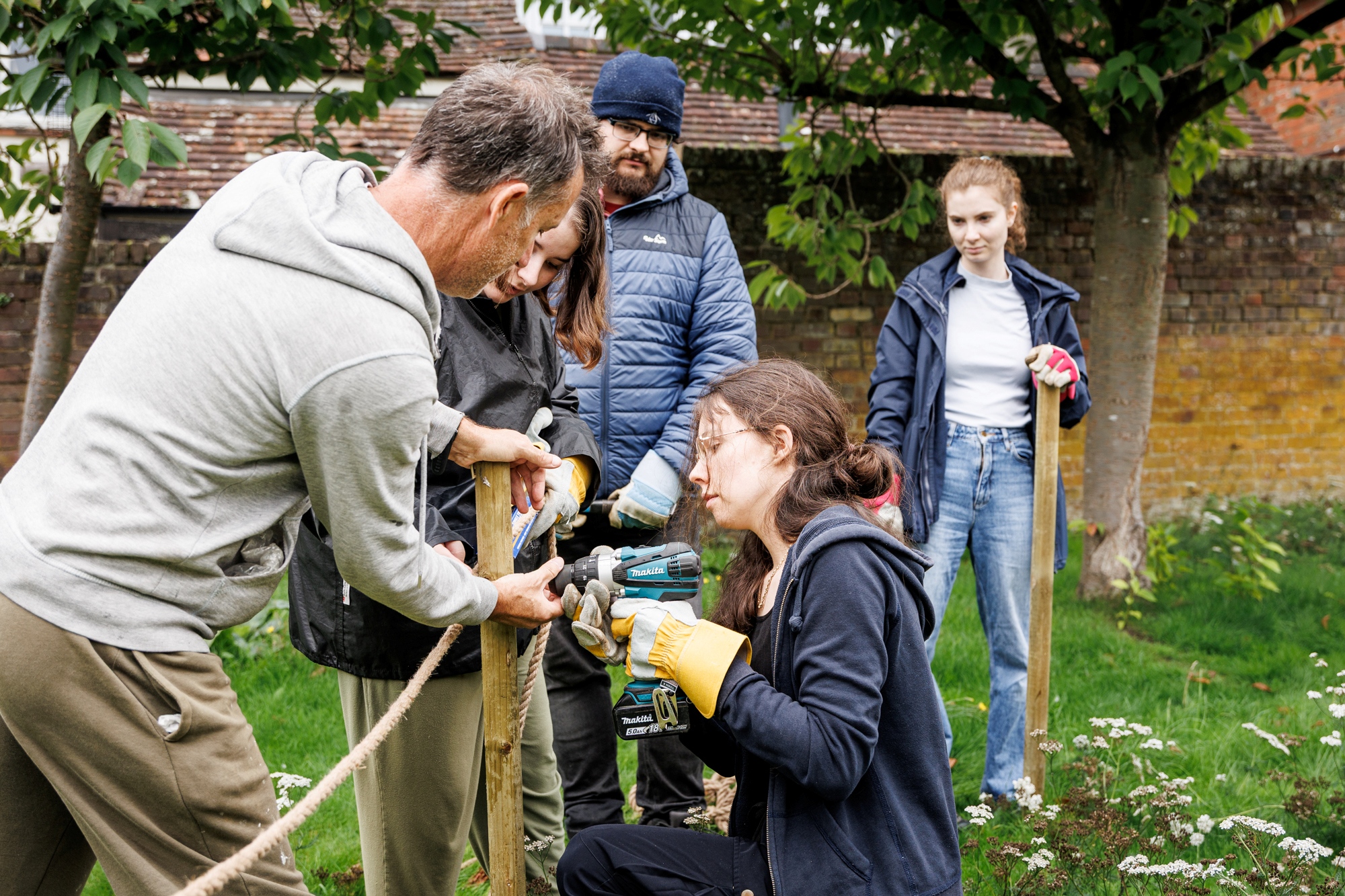
Amersham Museum's 'Bring it Back' group installing a wild flower circle in Amersham church yard
Chiltern Rangers work placements
Chiltern Rangers CIC recognises that there can be huge barriers to getting into a career in conservation. As such, they are able to offer a variety of unpaid work placement options aimed at University/College students or those looking for a career change. They offer offer long-term placements, summer holiday placements, or a bespoke placement to suit specifics needs.
Historic England placements
The Emerging Talent Placements Programme provides safe and quantitative heritage based work experience to young people aged 18 to 30 from underrepresented audiences.
In addition to expanding the Emerging Talent Placements, they are now introducing six-month salaried placements for those who have undertaken a Emerging Talent Placement, which offer an entry point into a career in heritage and enable these young people to build and hone skills, experience and networks, both at Historic England and beyond.
CHAP (Chilterns Heritage & Archaeology Partnership)
The Chilterns Heritage & Archaeology Partnership CIC aims to protect and celebrate the heritage that tells the stories of all of us. They run an annual training excavation suitable for ages 16+, offering a hands-on introduction to archaeology – excavation, recording, illustration, site photography and more.
At a different location each year, the 2026 excavation in September is near Ashwell, Hertfordshire focuses on a site of Late Iron Age and Roman settlement and ritual activity. Suitable for those new to archaeology or have a bit of experience under your belt, the field school will provide you with practical skills and a deeper understanding of archaeological methods and techniques.
A Skills Passport and certificate of completion will be provided at the end of the training, and this can form either a useful start to a graduate traineeship with a commercial archaeology unit or satisfy the fieldwork conditions of many undergraduate university Archaeology and Anthropology course. Several of the 2025 CHAP participants have already gone on to study or work in archaeology as a career.
CHAP also run community excavations, guided walks etc – get in touch for more info.
Amersham Museum 'Bring it Back' group
Bring it Back is for young people aged 18-25 who are looking for a way to get together and make a difference. A chance to break free from the ordinary and reconnect with nature and history in Amersham.
The Bring It Back group is all about exploring hidden wildlife, investigating the past, rediscovering a town space, and making a real impact. Working with Wild Amersham and Amersham Museum, we meet every couple of weeks in Old Amersham alongside experts in biodiversity and history. Our informal sessions focus on finding out more about the centre of Old Amersham, around St Mary’s Church, to plan hands-on steps to uncover and share forgotten history, boost local biodiversity, and bring fresh life to spaces. No lectures, no dull tours – just real experiences, and a crew of like-minded people shaping something new.
Wildlife trust traineeships
Locally, the Berkshire, Buckinghamshire and Oxfordshire Wildlife Trust (BBOWT) and Beds, Cambs and Northants Wildlife Trusts are big providers of traineeships in the sector. Trainees generally attend three days a week for 6-12 months, undertaking practical experience and training that will boost their chances of successfully gaining paid employment on completion.
BBOWT report that over 80% of their Volunteer Nature Reserves Trainees have, on completion of their traineeship, gone into paid employment and become Reserves Wardens and Officers, Land Managers, Rangers and Ecologists across the conservation sector, or into higher education. The traineeships are volunteer positions, and whilst there is no salary, BBOWT typically covers limited travel expenses to the site. Instead of a salary, trainees receive a comprehensive training package, hands-on experience, and often gain certified qualifications (such as chainsaw certificates or first aid) aimed at helping them secure future paid work.
Opportunities are offered as and when available, and are often highly sought after.
Watch this fantastic video to get an insight into what traineeships offer.
Apprenticeships
These combine practical training in a job with study, and allow those age 16+ to be an employee earning a wage and getting holiday pay, gain job-specific skills, as well as be given time for training and study related to the role. Apprenticeships are employer led as employers set the standards, fund the apprenticeship and are responsible for employing and training the apprentice. An apprenticeship is made up of an employer, the apprentice and a registered training provider, college or university. Apprenticeships are based on an occupation – a job which exists already and that there is demand for. There are a huge range available such as Countryside Worker, Countryside Ranger, Ecologist, Cultural Heritage Conservator, Environmental Practitioner – although they are not all available in or near to the Chilterns. Apprenticeships can take from 8 months to 6 years to complete, depending on the type and level of the apprenticeship.
Ad hoc traineeships
On occasion there can be ad hoc traineeships provided through funded schemes – keep an eye out for schemes in development, such as Not Bourne Yesterday, and Reconnecting Bernwood, Otmoor and the Ray (RBOR).
Opportunities with national organisations
Duke of Edinburgh for ages 14-24, providing the opportunity to volunteer and gain valuable work experience in a variety of areas including the outdoors, and combatting climate change.
The John Muir Trust’s John Muir award is open to children from upper primary to adults, either through an organisation or on a self guided basis.
English Heritage’s Shout Out Loud project provides placements in roles include social media, film-making, research, and evaluation, advertised on the English Heritage Jobs page.
Additionally, some opportunities are listed at Countryside Jobs Service and Museum Development South East.
Volunteering
Volunteer roles for over 18s vary hugely across the Chilterns, from hand on practical conservation on a nature reserve, to admin or social media support for organisations, to helping deliver education sessions, fundraising, or working with a museum collection.
Volunteering is unpaid, although sometimes, organisations may pay expenses such as travel. Often, training is provided alongside volunteer time, meaning it is a fantastic way to develop your skills and experience, especially if you are looking to a career in conservation. Equipment will be provided. Often, timings are flexible to allow you to fit it around other commitments, although this depends on the role, and organisation.
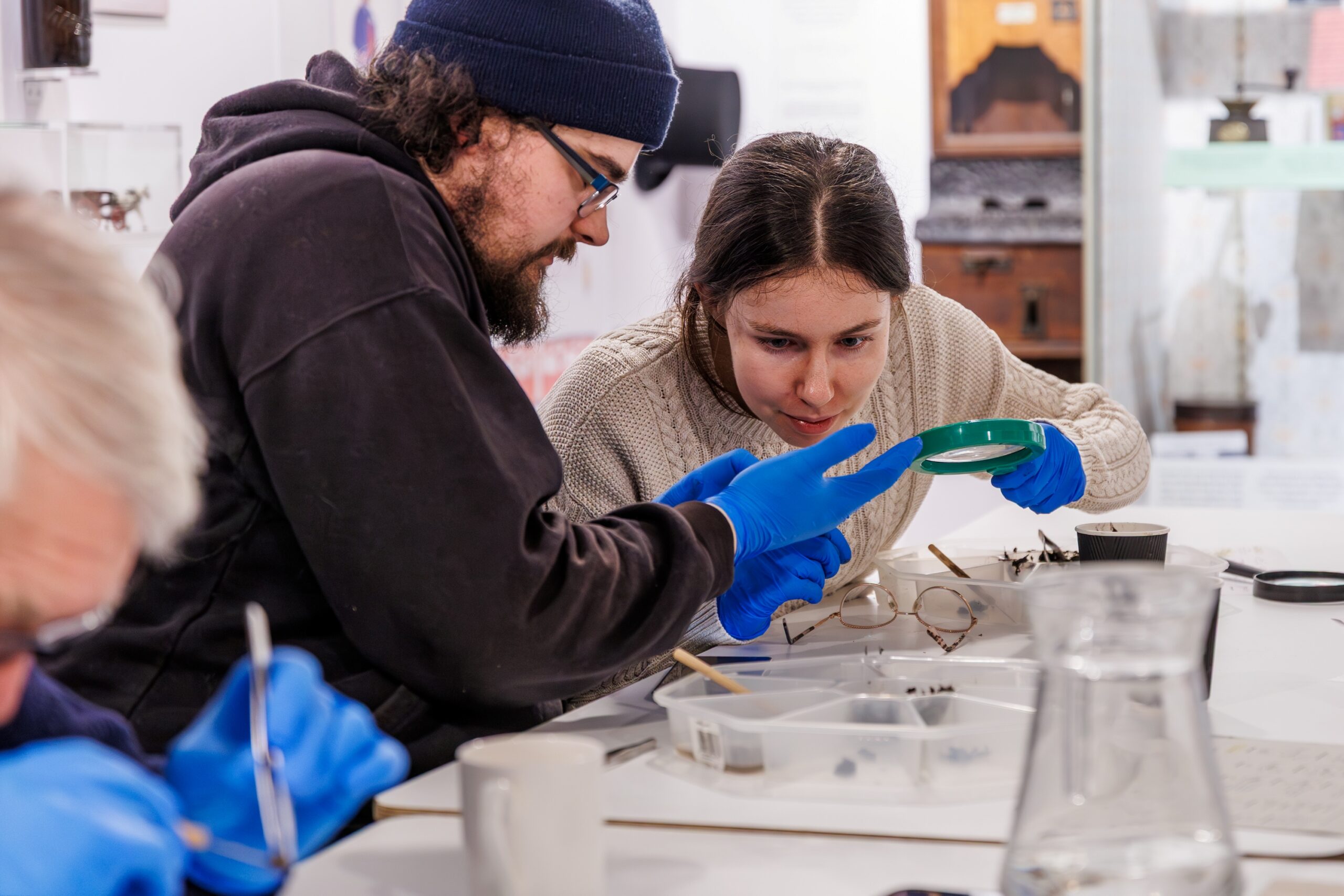
Amersham Museum's 'Bring it Back' group dissecting owl pellets with BBOWT
Having your own transport can be beneficial, as usually you will need to make your own way to sites – in some cases, organisations can help with this, or lift shares may be possible if it’s a regular volunteering slot. Organisations will usually ask you to agree to a simple volunteer agreement laying out their and your responsibilities & expectations – they have a duty of care to keep you safe.
Volunteering has a huge range of benefits; not just for those seeking a career in conservation, but for fun, wellbeing, mental health and confidence support, fitness, and making like minded friends. It also provides valuable work experience and essential skills such as teamwork, leadership and communication.
Further down the page, you will find some pointers about where to start looking for opportunities.
Citizen science
Citizen science is a growing area of volunteering within conservation, allowing volunteers to participate in science, through data gathering – for example contributing to the monitoring of plant / butterfly / river fly species in local areas, or cultural heritage such as digital archiving.
Volunteers act as the “eyes and ears” of the environment, crucial for identifying ecological changes. The data gathered is vital to informing conservation decisions and monitoring the progress of nature recovery in the Chilterns and beyond. All levels of experience are welcome. You don’t need to be an expert as free training is given – just bring along your enthusiasm. Those with experience are equally welcome, such as keen birdwatchers, or people with expertise in water quality or data presentation. Some examples:
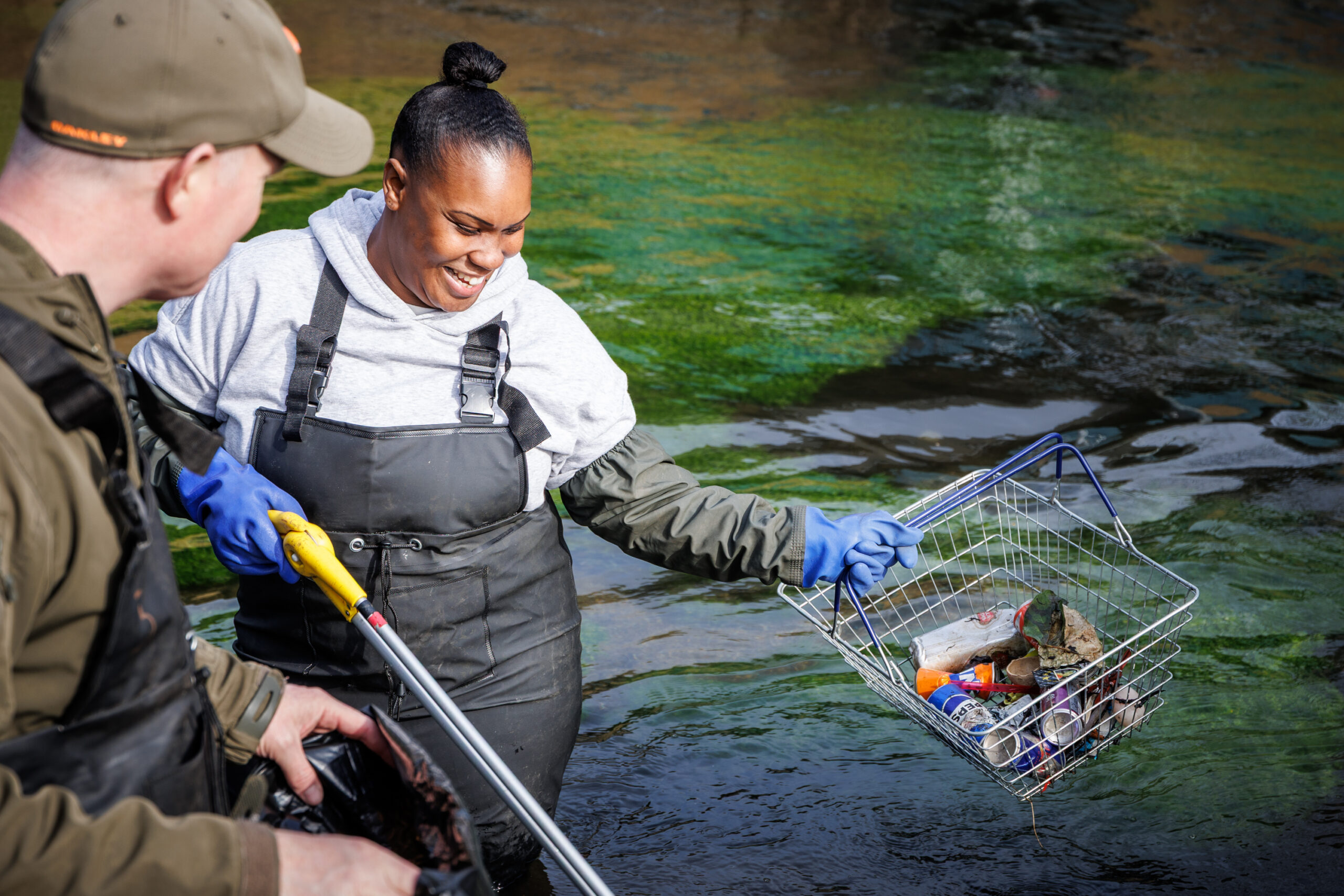
A young woman doing a river clean with Chiltern Rangers, in High Wycombe
Chilterns Chalk Streams
Citizen Scientists are contributing to our knowledge and monitoring changes that are taking place on our precious chalk streams.
Opportunities include riverfly (invertebrate) monitoring, water vole surveys, mapping sediment sources which pollute the river and carrying out pre and post river restoration assessments. If you don’t live near the River Chess, there are opportunities to take part citizen science activities for other Chilterns chalk streams.
Tracking the Impact
Tracking the Impact is a citizen science project monitoring the state of nature and wildlife in the Buckinghamshire Chilterns. Each volunteer is allocated a one kilometre survey ‘square’, in which they regularly record the numbers of butterflies, breeding birds or plant species they find. If you join you are offered free training on species identification, survey methods and data entry – a fantastic learning opportunity. The data gathered will help inform and back up wildlife conservation decisions.
National organisations
National organisations like BTO welcome volunteers to carry out citizen science or RSPB’s Great big bird watch, as well as Habitats and Heritage.
Trusteeships
In the UK, the minimum age to be a charity trustee is generally 16 for incorporated charities (companies or Charitable Incorporated Organisations – CIOs) and 18 for unincorporated associations or trusts. While according to gov.uk less than 3% of trustees in the UK are currently under 30, those who do join boards report high levels of satisfaction, with 80% likely to recommend the role. Being a trustee offers young people a unique opportunity to gain high-level leadership experience, accelerate their career development, and make a tangible impact on a cause they care about. While often considered a role for older individuals, being a young trustee provides a fast-track into governance, allowing them to shape the direction of a charity while developing skills in strategy, finance, and risk management.
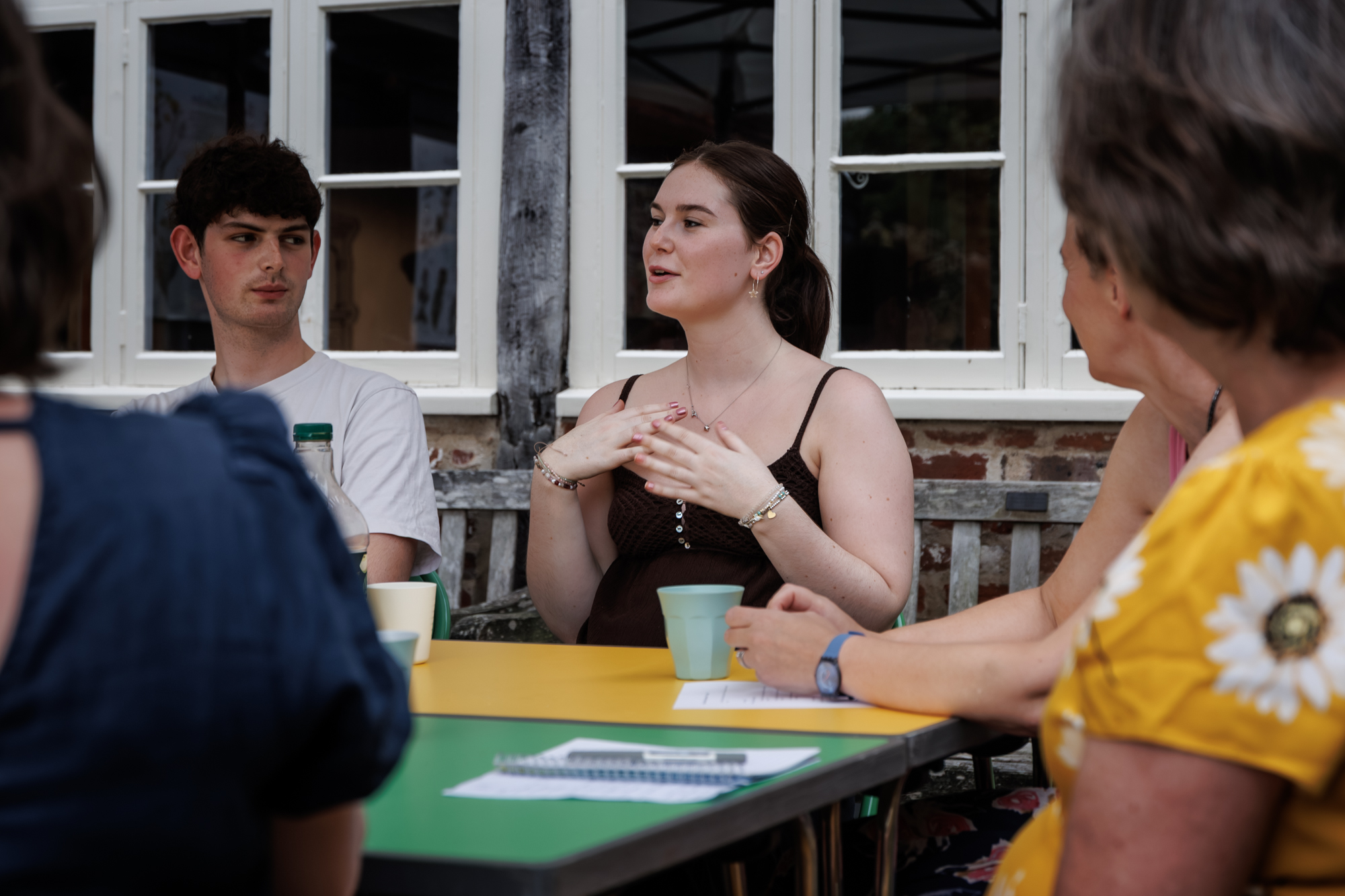
Young people reviewing work done with Wild Amersham and the local churchyard as part of the 'Bring it Back' group
Young trustees bring fresh, modern perspectives that are vital for the sustainability of a charity. Young people can often provide authentic insights into the needs of younger beneficiaries, making the charity more relevant. Trusteeship provides cost-effective personal development for the young person while offering the charity crucial, diverse, and innovative insights.
What is it like to volunteer?
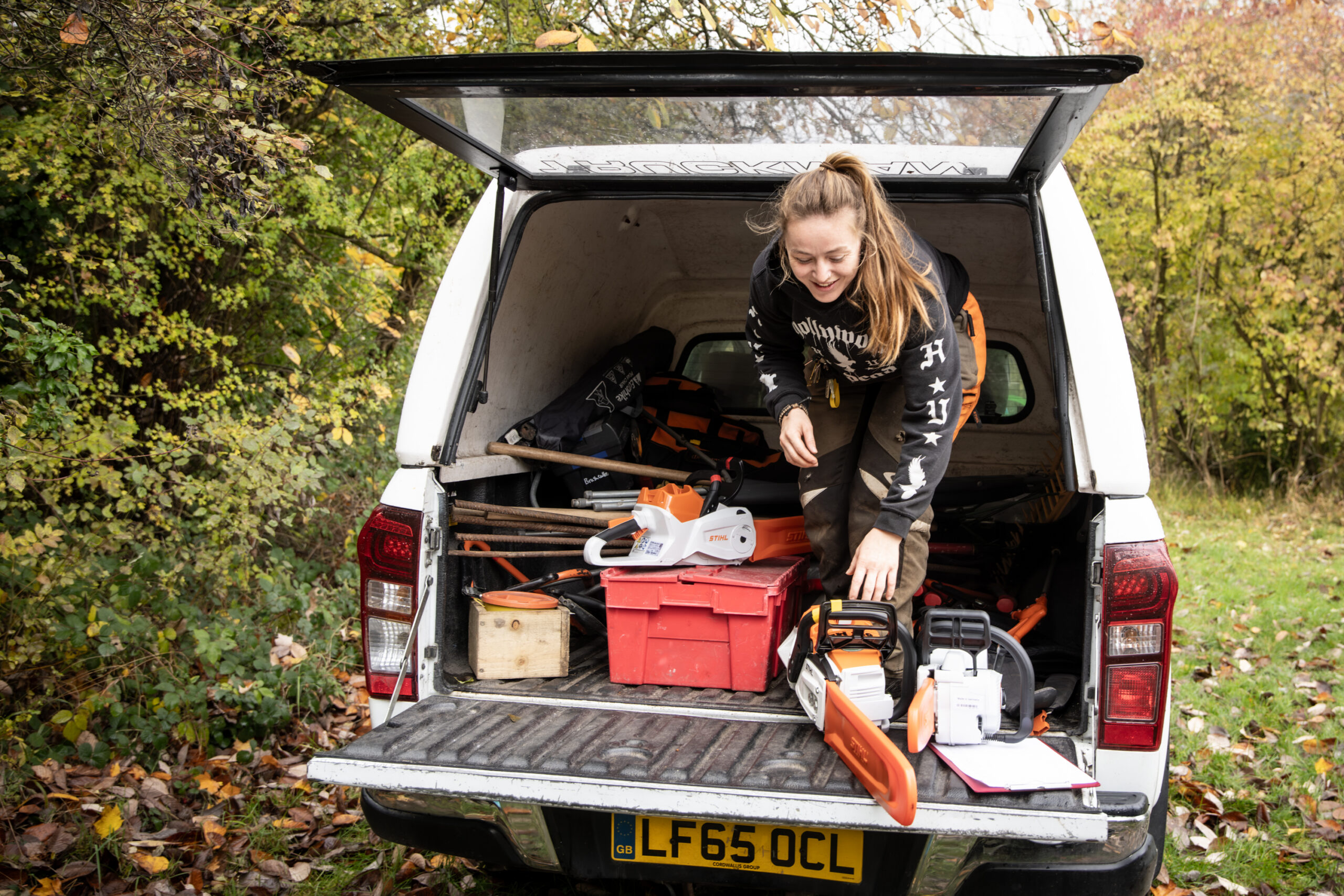
Chiltern Rangers have put together two videos – available in English, Polish, Makaton and soon to be in Urdu as well. The first which shows a typical conservation session with Chiltern Rangers and volunteers, for people to see what it’s like before they arrive. Secondly, of their ‘Green Thursday’ sessions, for which transport is provided – the film is to allay anxiety about where the minibus departs from.
Where to start looking for volunteer opportunities
Firstly have a think about what you’re interested in – do you want to be outdoors, or help behind the scenes? Do you want to work with others in a work party, or on your own on your own schedule? When are you available to volunteer? What experience do you want to gain? How much time can you give?
A good place to start is to see what opportunities there are on the websites of conservation organisations you may know, as well as following them on social media and registering for their newsletter. Organisations to look at include local museums, Chiltern Rangers, The Chiltern Society, BBOWT, BCN Wildlife Trust, as well as town or village specific action groups. There are several listings sites which bring together opportunities.
National conservation organisations such as National Trust, English Heritage etc will often have opportunities in your local area – either look on their websites, or the following listings sites below.
Local listing sites
Opportunities across the Chilterns National Landscape
Buckinghamshire volunteer matching service
High Wycombe focused
Hertfordshire volunteer opportunities
Bedfordshire opportunities
Use “green volunteering” filter.
Volunteering in Oxfordshire
The Conservation Volunteers
Focuses on practical habitat management and “Green Gyms”
Other local opportunities
Local “Friends of Parks” Groups are often worth a look for uber local volunteering opportunities.
National listing sites and organisations
General volunteering
Job boards
Some of the job listings sites below also list voluntary roles.
Volunteering Matters
Volunteering Matters has hundreds of full-time residential placements across the whole of the UK lasting for between 6 and 12 months. Opportunities are open to 18- to 35-year-olds, and volunteers are normally placed away from their home area. Although you don’t receive a salary, volunteers are provided with free accommodation and expenses for food and living costs.
YHA
YHA has a range of volunteering opportunities and work placements available in their 200 youth hostels across England and Wales, both home-based and residential.
Habitats & Heritage
Habitats & Heritage focuses on local environmental projects.
Making your voice heard
If you are keen to take action for the environment, meet liked minded people, and share your concerns and hopes for the planet, all while gaining skills which are useful for transferring into the workplace, there are several ways of doing this locally and nationally. Voices are crucial in conservation, not least because the impacts of biodiversity loss and climate change will most directly affect the younger generations.
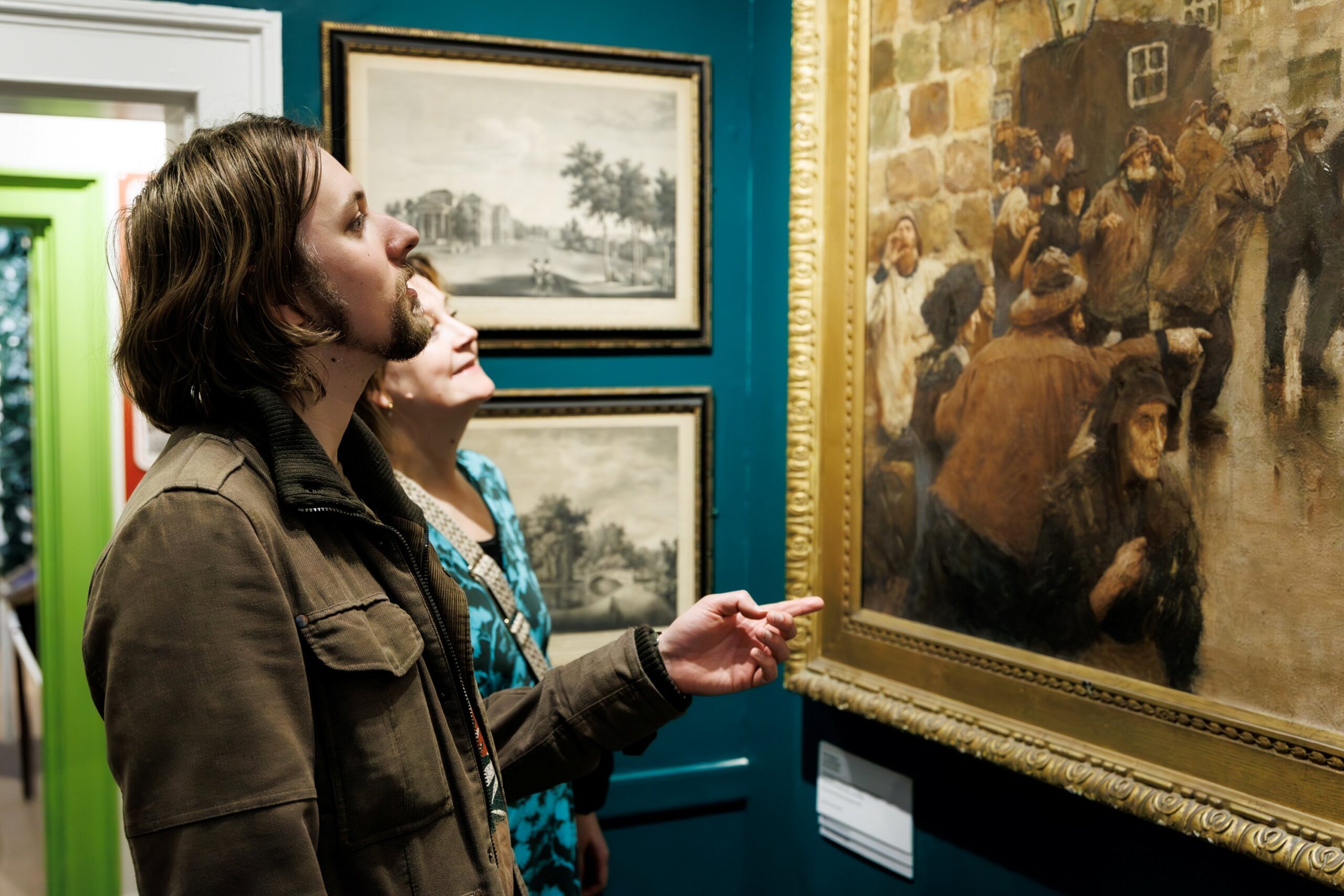
Young ambassador volunteers exploring Wycombe Museum
Luton Youth Network
Luton Youth Network encourage and support young people aged 11-25 to organise and lead activity for example their successful annual Luton Youth Climate Action Summit.
BCN Wildlife Trust
BCN Wildlife Trust’s Young People’s Forum is made up of young people aged 13-24 aiming to help the Trust work better for young people and inspire action for wildlife.
Wycombe Museum
In early 2026 Wycombe Museum launched a youth ambassadors programme, seeking 5 youth ambassadors – look out for more info.
Youth in Nature Summit
The annual Youth in Nature Summit in Cambridge is a fantastic day designed for young people aged 14-25 by young people.
National organisations
National organisations often have more resource to run youth programmes – there are loads to choose from and search for but some great examples to explore are:
www.heritagetrustnetwork.org.uk/meet-our-new-youth-forum-steering-committee/
www.www.bto.org/about/how/governance/yap
www.www.rspb.org.uk/about-us/how-we-are-run/rspb-youth-council
www.wildernessfoundation.org.uk/wilderness-youth-voice
www.www.zsl.org/about-zsl/our-people/zsl-youth-advisory-board 16-25
www.habitatsandheritage.org.uk/get-involved/our-projects/youth-volunteering-training-and-steering-group/
www.groundwork.org.uk/youth-advisory-board/
www.english-heritage.org.uk/learn/shout-out-loud/
- Action for Conservation – developing young leaders, ambassadors and youth rangers
www.cnp.org.uk/national-parks-movement/national-parks-new-perspectives/
Job listing sites & careers fairs
If you are keen to start or switch into a career in conservation, there are some jobs sites which could be useful:
Job sites
www.charityjob.co.uk/heritage-jobs
www.countryside-jobs.com/
www.conservation-careers.com/
www.theheritagealliance.org.uk/news-and-events/news/#vacancies
www.environmentjob.co.uk/jobs/34-conservation-wildlife
www.jobs.theguardian.com/jobs/arts-and-heritage/
www.jobs.theguardian.com/jobs/environment-green-and-sustainable/
www.heritagetrustnetwork.org.uk/jobs/
www.www.historichouses.org/jobs-and-volunteering/
www.greenjobsfornature.org/
Careers fairs
www.wildlondon.org.uk/green-careers-showcase
www.greenjobsfornature.org/green-careers-week-festival-2025-activities/
www.greencareersweek.com/
www.london.anglican.org/event/heritage-and-conservation-careers-fair-inspiring-the-nest-generation-of-makers-and-conservators/
www.careers.cam.ac.uk/green-careers-festival
www.exeter.ac.uk/students/careers/events/careersfairs/ecefair/
www.conservation-careers.com/conservation-jobs/conservation-events/
Further inspiration
Read on for some case studies and stories about past volunteering success stories, traineeships and more – which may give you and idea of what opportunities to look for.
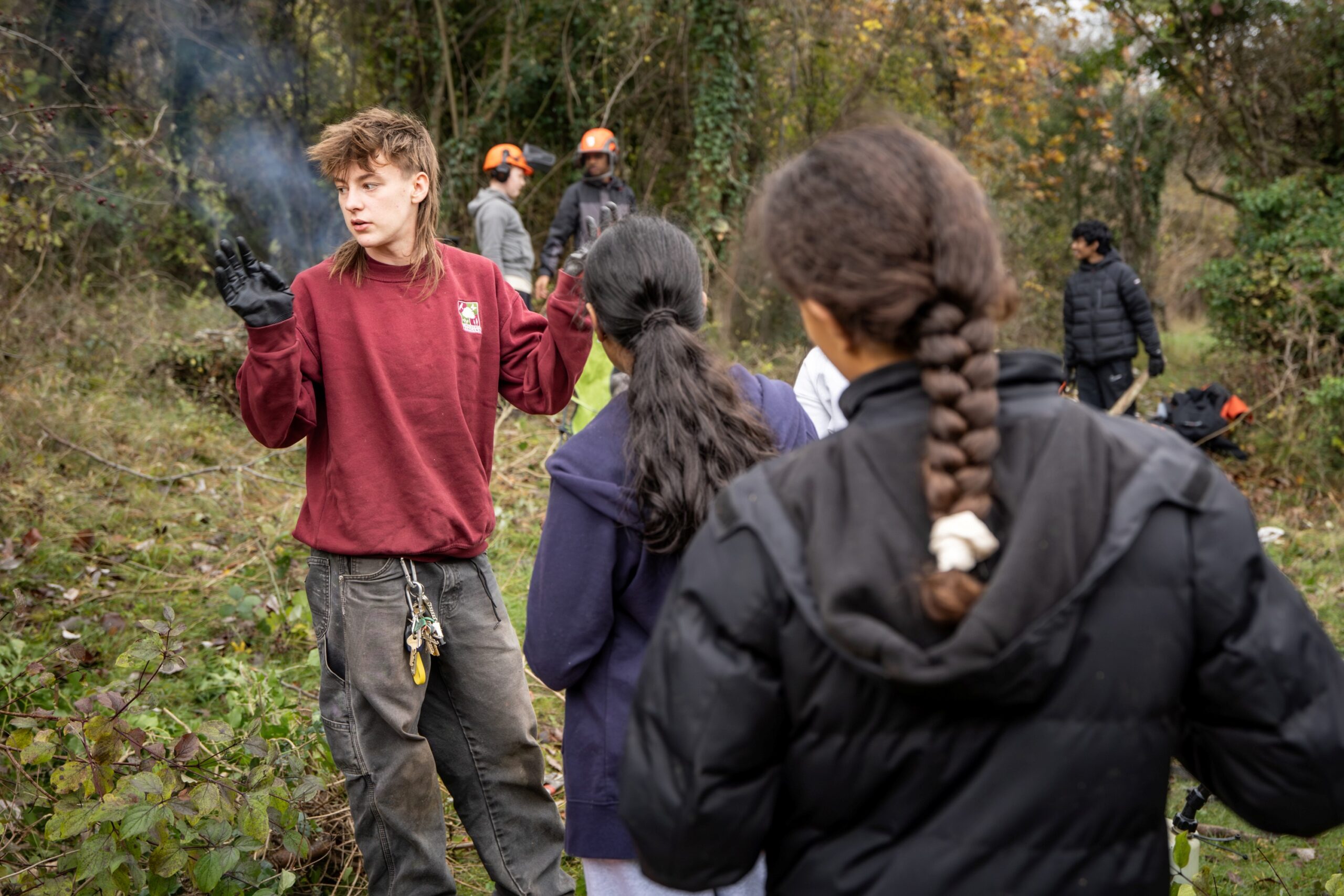
Young Chiltern Rangers staff member leading a scrub bash for young people in the Chilterns
Amersham Museum
In early 2026 Amersham Museum actively recruited for young trustees to join their Board, supported by the Kids in Museums programme www.kidsinmuseums.org.uk/what-we-do/engaging-your-first-young-trustees/ They recruited two Associate Trustees to join their Board – aged under 30, the aim is that they bring new perspectives for the museum’s strategy and decision-making, while providing them with valuable transferable skills. Having attended their first meeting in March, it was great to hear their fresh ideas and find out which areas of the museum’s activities they most wanted to get involved with.’
Chalk, Cherries and Chairs
Two paid traineeships were provided through Chalk, Cherries and Chairs in 2024 – read their stories at www.chilterns.org.uk/flagship-projects/chalk-cherries-chairs/about-chalk-cherries-and-chairs/
The Chiltern Open Air Museum
The Chiltern Open Air Museum had four Collections and Interpretation paid Traineeship roles in 2025 www.coam.org.uk/blogs/chiltern-open-air-museum-awarded-grant-by-the-national-lottery-heritage-fund-to-enhance-accessibility-to-heritage
BCN Wildlife Trust
BCN Wildlife Trust launched Wilder Luton traineeships in 2024, find out what their two trainees got up to: https://www.wildlifebcn.org/blog/tag/traineeships, and watch this great video for a further insight:
Image credits: Neil Marshment Photography