


Working with young people
Ensuring nature and heritage are for everyone is a core priority for the Chilterns National Landscape, with young people being a particular focus.
It is especially important to provide opportunities for young people to experience nature and green spaces. There are many factors contributing to young people becoming increasingly disconnected from nature, including increasing urbanisation, more sedentary lifestyles and reduced access to nature. Early life experiences can sow the seeds for a lifelong love of nature.
On this page you’ll find information, research and inspiration on how to help young people that you work with get involved and excited about conservation – whether through nature or heritage. You may find our EDI ambition statement of interest, as well as our Access Hub.
Assemblies, workshops and visits for schools & youth and home education groups
Many local nature and heritage organisations provide school-based opportunities such as workshops and assemblies which can get children and young people enthused about nature. Equally, there are opportunities to visit heritage and nature sites, although transport will generally be needed. Some organisations are able to offer experiences on a subsidised basis, whereas others will be chargeable. These are often linked to the National Curriculum or other priorities such as EcoSchools. Some organisations offer sessions especially for home education groups.
See examples below.
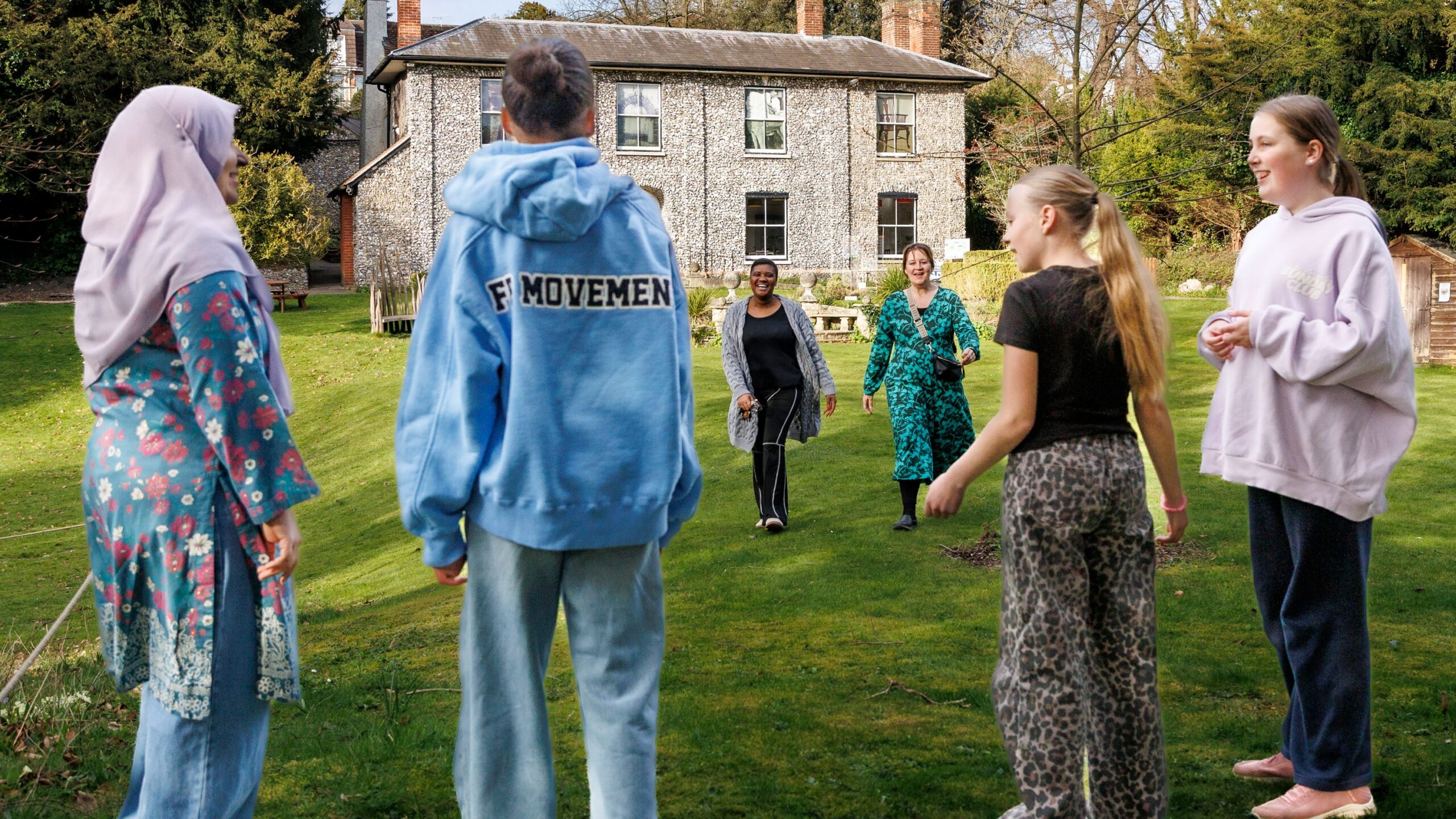
A group of young people exploring the grounds at Wycombe Museum
Visits, assemblies and workshops
Many museums in the Chilterns offer visits, assemblies, trips and workshops for schools, such as Chiltern Open Air Museum, Chiltern Rangers, Amersham and Wycombe Museums, Path Hill Outdoors.
Chalk streams and Trout in the Classroom
The Chilterns Chalk Streams Project’s Trout in the Classroom programme works with a limited number of classes, where pupils are given a rare, hands-on opportunity to connect with the life cycle of one of our most iconic chalk stream species – the brown trout.
Each participating class receives an aquarium containing trout eggs or young fry. Over several weeks, the children take on the role of caretakers, monitoring water quality, observing the developing fish, and learning how small changes in environment can affect freshwater wildlife.
Alongside the aquarium, the project provides everything the schools need: equipment, workshops, and a guided river visit. This helps pupils see the connection between their classroom observations and the natural habitats the trout will return to. Many schools weave the project into their wider curriculum, with pupils producing artwork, creative writing, and scientific investigations inspired by their trout.
Then the most anticipated moment comes: releasing the young trout into their new chalk stream home. Watching the fish swim away brings the project full circle, giving pupils a powerful sense of connection to their local environment and a lasting appreciation for the importance of protecting it.
Chiltern Rangers
Chiltern Rangers offer a variety of opportunities for schools and other groups of young people.
Their Be A Ranger Taster Day is a good way of getting to know them, and introduces young people to the world of conservation and making a difference to the local environment. They partner with schools, colleges and youth organisations serving young people of a wide variety of ages and needs. Together with your team, dedicated ranger(s) will look after a class/half class/group for a session at a special wildlife site close to where they live. They offer a whole variety activities at different times of year including:
- Woodland coppicing or glade creation
- Scrub management on chalk grassland butterfly sites
- Litter blitzes on land and in rivers
- School wildlife area development
- Summer Habitat Investigations to bring your science curriculum alive
For those with additional needs – their Stepping Stones to Employability programme enables numerous young people to become involved in a wide variety of conservation opportunities that have helped them grow and realise their true potential. Watch their video explainer on their webpage.
ZSL Whipsnade Zoo education programme
ZSL Whipsnade offer a whole host of free, curriculum-linked educational activities out in the Zoo for all school groups to enjoy during the summer term, including interactive drop-in activities led by our Conservation Education Team around the Zoo on the day of your visit, teacher-led trail guides with questions and activities to enhance the learning of your students, key stage-specific animal talks throughout the day, and more.
The Field Studies Council
The Field Studies Council offers a range of trips for primary and secondary in Amersham, and many others around the country.
Let’s Go Zero
Workshops and support for schools to become zero carbon – there may also be local council based initiatives for schools, such as Dacorum climate network, near you.
The Earth Trust
School visits – an education visit to Earth Trust in Oxfordshire offers the opportunity for young people to take their classroom based learning and come to understand its importance in a real world setting. Curriculum linked Earth School environmental education workshops have been developed with teachers in mind, with a focus on STEM (Science, Technology, Engineering and Mathematics), the Arts and Human History for Key Stages 1-4.
‘Earth Skills’ programme – offering a Life Skills strand, or a Countryside Skills course which empowers young people to make positive choices for themselves through practical, hands-on outdoor activities such as improving wildlife habitats and working with farm animals.

Educational Resources
The Chilterns National Landscape provides a wealth of opportunities to learn about the natural world and our interaction with it. We have some specific educational resources and downloadable activities, and we’re adding to this all the time.
Getting young people into conservation – recent research
In 2024, the Chalk, Cherries and Chairs Landscape Partnership scheme commissioned some work which explored how young people in and around High Wycombe relate to their local landscape. Arts consultancy INSTAR developed an introductory process of listening, learning and relationship-building to foster more meaningful engagement. Read the report here.
The Next Generation project (2024–25) built on this work, to test new approaches to engaging young people in heritage and nature activities. Working collaboratively, partners explored how to better develop and promote sessions for young people, and what resources this requires to do well.
A summary and full report covering five key themes can be found below, which draw on listening exercises with young people, ‘campfire conversations’ with practitioners, and findings from trialling various approaches.
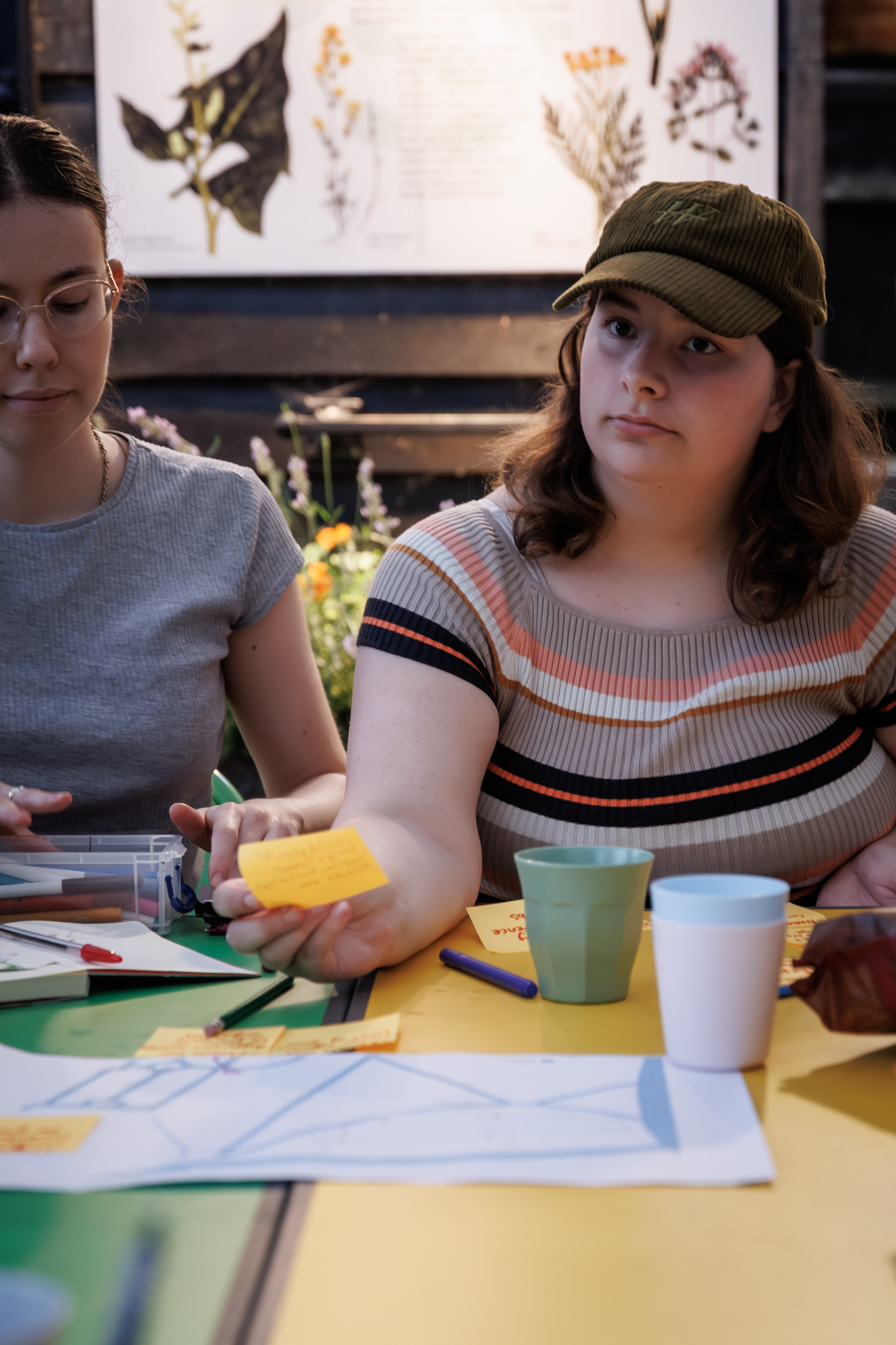
Chilterns National Landscape's work with young people
Through its various projects and programmes, the Chilterns National Landscape works with schools and young people in the local areas. Here are some inspiring case studies.
Mend the Gap
The Mend the Gap programme has supported many schools through grants and activities, such as enhancing outdoor equipment, installing barn ow boxes, farm to fork projects, pond and wildlife enhancements on sites.
Chilterns Chalk Streams Project
The Chilterns Chalk Streams Project works in schools through educational visits in school and out, as well as its Trout in the Classroom scheme. It has also developed a range of resources for primary and secondary, including a suite of videos explaining the nature of a chalk streams, and the pressures currently faced by these important and iconic river systems.
Chilterns Landscapes
In May 2022, Chalk, Cherries and Chairs held a Chilterns Landscapes festival, showcasing the relationship between artists of all abilities and the gently undulating, rich chalk landscape of the Central Chilterns. The art exhibition was held at Wycombe Museum for a week and consisted of three parts; a selection of fine art from local and national museums (reproduced), a schools art competition and a sample of work from local and amateur artists.
Not Bourne Yesterday
Not Bourne Yesterday is a project in development which together with partners and volunteers, aims to tell story of the Chilterns’ precious rivers with the everyday lives of the people – past, present and future – who live alongside them. As part of the programme, they have been looking at ways to create employment opportunities for young people to gain access to a career in conservation, and hope to establish several traineeships, if the programme is successful in securing its funding.
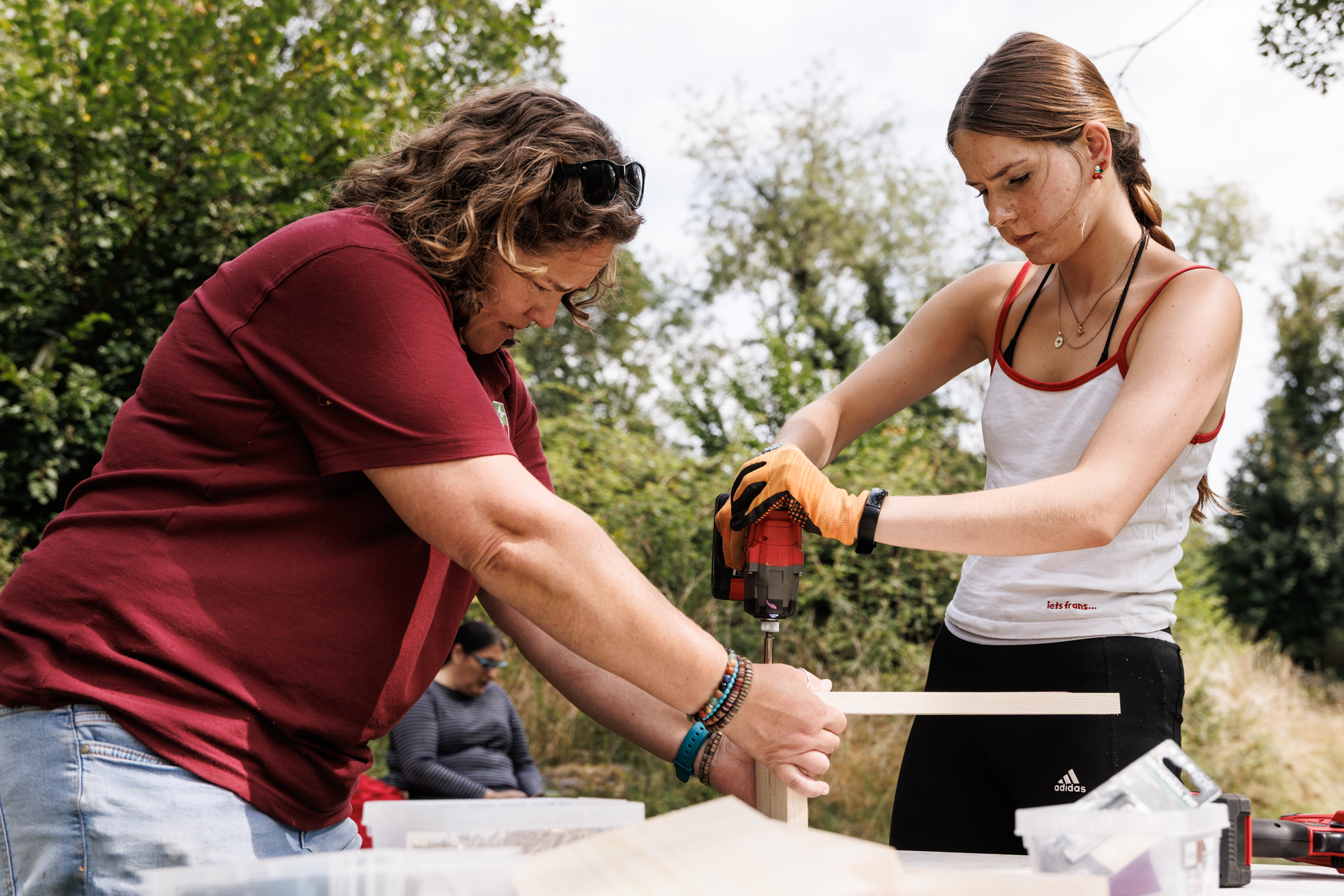
A young person building a bird box during a session with Chiltern Rangers
Image credits: Neil Marshment Photography